



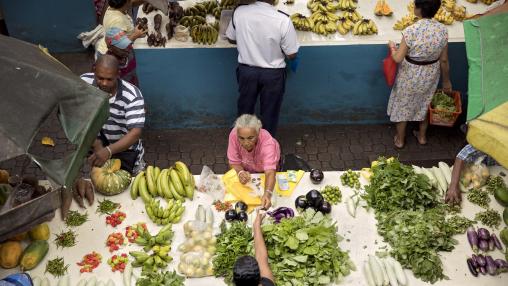
Updated Agricultural Commodity Market Tools Provide Expanded Price and Trade Data
Asymmetry of information is a major obstacle to increasing global food security. Having access to reliable food price and market information is critical for policymakers, food policy experts, and researchers to be able to respond quickly to dynamic developments in the global food system.

Malawi Bans Maize Exports
Malawi's Ministry of Industry and Trade announced Wednesday the suspension of all exportation of maize and maize products, effective immediately. The government of Malawi has also nullified all licenses enabling grain traders to export the commodity. The move follows an estimate by the Malawi Vulnerability Assessment Committee that 10 out of 28 districts in the country are at risk of maize shortage between December 2011 and February 2012.
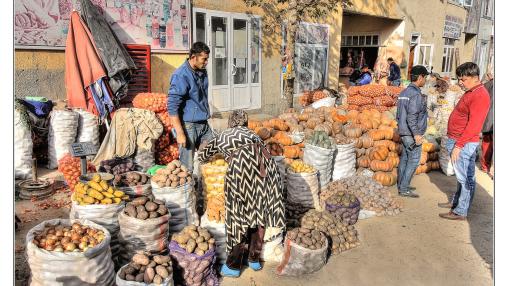
WTO Food Security Site Keeps Up-to-Date with Latest Food Supply and Market Information
Global food security is constantly impacted by many issues at the local, national, regional, and international levels - politics, agricultural market changes, fuel prices, weather conditions, war, speculation and trading, and many more. Keeping track of all of these developing issues is an overwhelming, but crucial, task for policymakers to appropriately address the needs of the world's food insecure populations.
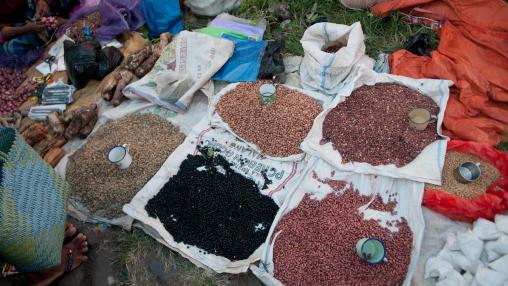
FAO GIEWS Releases November Final Food Outlook, Introduces Improved Market Information System
FAO GIEWS released today the November 2011 Final Food Outlook, a comprehensive analysis of the global agricultural market situation. According to the report, the outlook for the agricultural commodities markets remains difficult to predict; despite improved supply prospects and weakening demand for several important commodities, volatile prices and the uncertain global economic situation continue to play a part in high food prices.

US Commodity Futures Trading Commission Caps Commodities Trading
In a long-awaited move, the US Commodity Futures Trading Commission on October 18 approved limits on trading in the commodities markets . Specifically, the new rules limit the number of commodity contracts that any investor can hold in agriculture, energy, or metals contracts. The trade limits, originally mandated in the Dodd-Frank Financial Reform Act which was passed in July 2010, stemmed from worldwide concerns that commodity index and other funds contributed to the 2008 surge in food and fuel prices, and could again be contributing to recent price spikes.
FEWS NET Releases Latest Global Price Watch
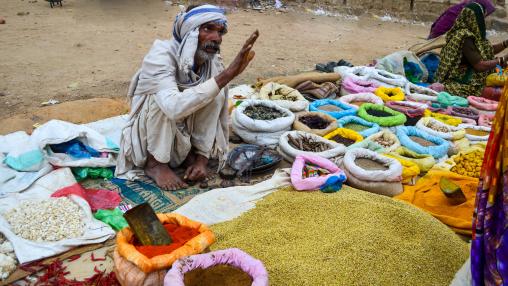
FEWS NET has released its Global Price Watch for September 2011, citing continuing high prices in Kenya, Ethiopia, and Somalia. Africa's newest nation, South Sudan, is also facing increased prices on some staple goods due to conflict and trade restrictions. Global rice prices saw a moderate upswing, due in part to Thailand's new rice price subsidy.
View the full report and the annex
Files:
full report
annex
AgMarketFinder Tool Strengthens Smallholder Market Access
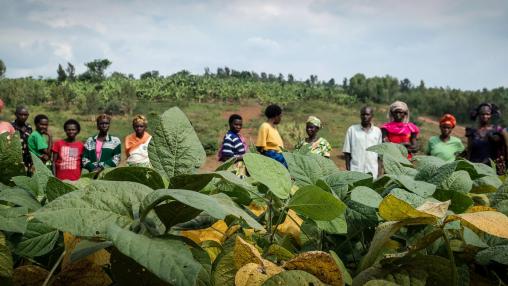
The HarvestChoice AgMarketFinder Tool is a collaborative development innovation from IFPRI , Esri , and SpatialDev .
International Grains Council Releases Latest Grains Market Report
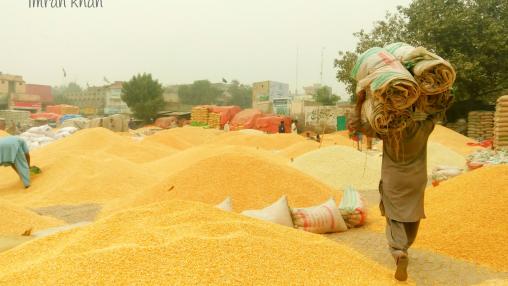
The International Grains Council has released its grains market report for September 22, 2011. World grain markets saw a retreat in September, a reverse from their strong positions in July and August. As global supply did not change radically, this change in the market is due primarily to financial developments such as the renewal of a strong US dollar.
Download the full report.
A Message to the Thai Government: Do Not Let National Policies Harm the Global Poor
A Commentary by Maximo Torero
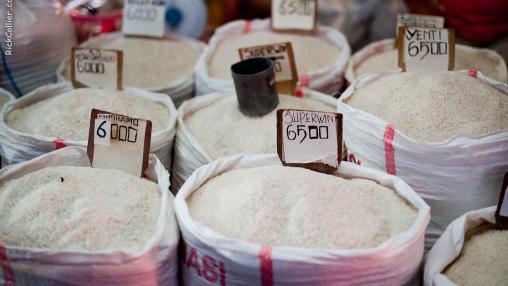
Thailand’s rice exporters are warning that the country’s 2012 rice exports could drop by as much as 30-40 percent as the result of a proposed government policy that would guarantee fixed prices for both plain white rice and jasmine rice. The Pheu Thai Party, which was elected into power in July, has promised farmers fixed prices of 15,000 baht ($US 500) per ton for plain white rice and 20,000 baht (US$ 667) per ton for jasmine rice.
Regulating Commodity Exchanges in an Interdependent World
With an estimated 44 million people falling into poverty since June 2010, rising food prices and increasing agricultural price volatility is at the forefront of global attention. Commodity exchanges have long been touted as a way to mitigate the effects of price volatility and increase economic efficiency in a liberalized market environment. As with other aspects of global agricultural markets, however, exchange markets are facing increasing global interdependence as traders draw on information generated both domestically and internationally.