




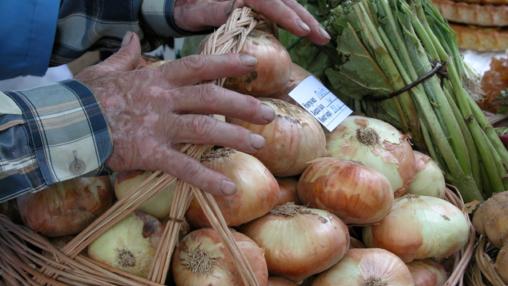
Alternative Mechanisms to Reduce Food Price Volatility
The economic, political, social, and nutritional impacts of food price volatility and price spikes are clear. In the 2007-08 food price crisis, 33 countries saw violent riots and social unrest as a result of rising food prices; in 2011, increasing food prices have been at least partially blamed for political turnover in Tunisia and Egypt, as well as riots in several other countries.
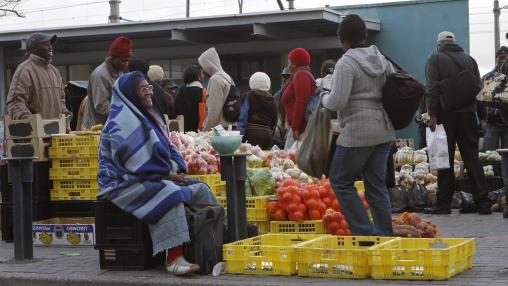
Agricultural Trade Policies and the Food Crisis: Will They Help or Hurt?
Successful global agricultural trade hinges on open, secure agricultural markets. Such markets provide risk management by allowing for inter-regional diversification of crops and food products and by reducing price differences through market integration. In other words, secure, well-functioning markets can balance one country’s food deficit with another’s surplus, and vice versa. In this way, global trade can support global price stability and food security.
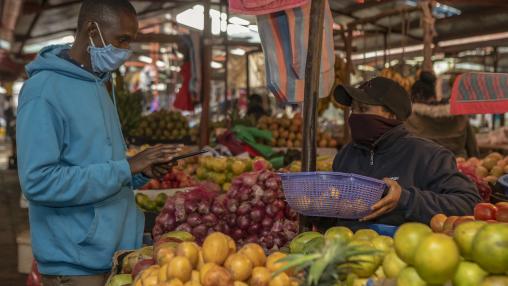
Guarding Against Excessive Price Volatility: Improving Food Security by Estimating Returns
The daily global news continues to be inundated with stories of rising food prices, and accompanying rises in poverty and hunger. Recent droughts in China have been added to the list of factors driving food prices, specifically commodity prices, up around the world. Policymakers are now faced with decisions regarding the appropriate response to these increases.

FEWS NET Releases Latest Monthly Price Data
The Famine Early Warning Systems Network (FEWS NET), funded by USAID, has released its latest monthly price watch detailing staple food prices for February 2011. These reports provide food security updates for 25 countries vulnerable to food insecurity, focusing on impacts on livelihoods and markets. These updates can help policymakers recognize and mitigate potential threats to food security.
Download the latest reports below. For more information regarding FEWS NET, please visit www.fews.net .
Files:
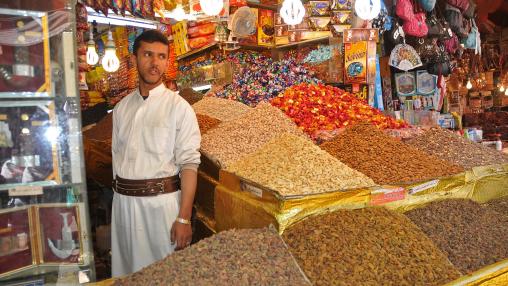
What’s Behind Commodities Price Spikes?
The World Bank this week issued a statement saying that increasing food prices have driven an estimated 44 million people into poverty in low- and middle-income countries since June 2010. This staggering increase in global poverty levels has serious economic, social, and political implications. Many experts and media outlets worldwide have linked rising food prices to riots in Algeria, the ousting of President Zine El Abidine Ben Ali in Tunisia, and the recent riots in Egypt which led to the historic resignation of President Hosni Mubarak.

Another Food Crisis? Not If We Think This Through.
With all the news of floods in Australia decimating the country’s wheat crop and adverse weather in the US cutting corn and soybean harvests, commodities prices across the globe are again seeing drastic increases, raising fears that we may be witnessing a return of widespread food insecurity and subsequent political and economic turmoil. Moreover, the FAO’s recent statement that global food prices reached a record high in December 2010 has sparked the memory of the crisis in 2007–08 and turned global attention back to the issue of food security.

Rising Food Prices: What is the Impact on Households?
As global food prices continue to surge, individuals and families in the developing world may be facing a new food reality. Fluctuations in the price of staple commodities may benefit some households’ welfare (producers) while hurting others (consumers). Understanding how price increases affect the developing world on a household level can pose a major challenge to global policymakers as they strive to respond to global and national food crises.

Market Structure and Pricing Behavior in the Fertilizer Industry
In the search for effective and sustainable policies to promote fertilizer use, numerous studies (especially those focused on developing regions) identify several supply-side and demand-side constraints at both the regional and country level that limit the development of input markets, and consequently fertilizer uptake.