




Why developing countries should stop discriminating against agriculture
The following post by former International Food Policy Research Institute (IFPRI) senior researcher Alberto Valdés is part of an ongoing series of blog stories celebrating IFPRI’s 40th anniversary .
SUMMARY: e-Dialogue on India's High Profile Land Acquisition Bill
THis article was written by Summer Allen, Research Coordinator at IFPRI
Decreased Grain Exports from Ukraine Unlikely to Impact Long-Term Global Prices
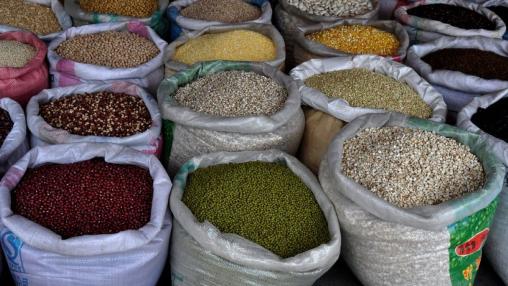
Concerns have been growing over how the ongoing political turmoil in the Ukraine, the world's third largest maize exporter, could impact global grain prices and reserves in the coming year. While Ukraine has delivered the majority of its current export obligations, continuing conflict could pose problems for next season's planting and harvest, and thus future export shipments. According to an article published by IRIN News, however, experts do not foresee a long-term impact on global grain prices.
Putting Food Security on the Long-Term Agenda
Global trade policies have the potential to significantly impact food security, for better or for worse. With the ninth WTO Ministerial Conference upcoming in Bali in December, some developing country leaders are pressing negotiators to keep this connection in mind and fast-track talks on proposed changes that would give developing countries greater flexibility in following the new WTO agricultural trade rules.
The Doha Round and Food Security
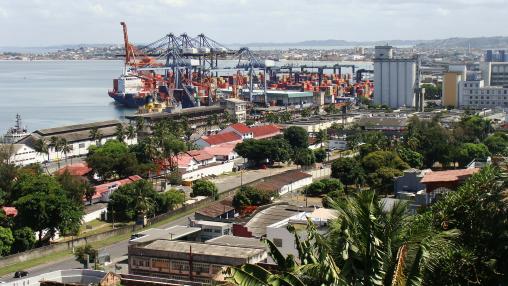
The WTO Doha Development Round trade negotiations have been at an impasse since their launch in 2001, and have gotten particularly bogged down over the difficult technical and political aspects of agricultural trade reform. Further complicating the talks is the fact that the global economic, trade, and geopolitical context has changed significantly since the Doha Round was launched.
Improving Fertilizer Markets Through Competition
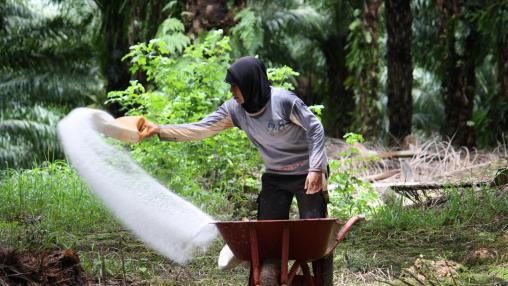
Fertilizer is a key piece of the puzzle when it comes to improving agricultural yields in developing countries. Despite widespread recognition of fertilizer's importance, however, many African farmers use substantially less fertilizer than their counterparts in Latin America and Asia. A new article in IFPRI's Insights Magazine examines why this is so, and how increasing competition in the global fertilizer market could help close the gap.
Ukraine Export Bans Are the Wrong Move for Food Security
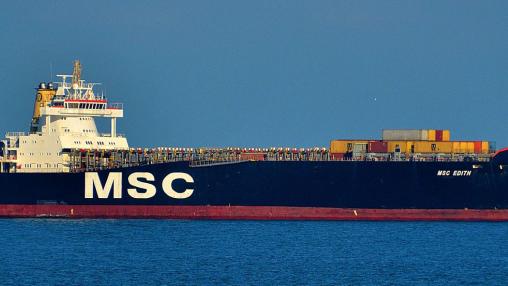
Ukraine has announced that it will be enforcing an export ban on wheat beginning on November 15. The move comes after poor weather impacted Ukraine’s wheat harvests and follows in the wake of the US drought, which decimated that country’s wheat crop and led to sharp increases in international prices. Ukraine’s exports are expected to reach 5.3 million tons in November, a level which the Ukrainian government says will exhaust the country’s exportable surpluses.
USDA Reporting Low Grain Stock-to-Use Ratios
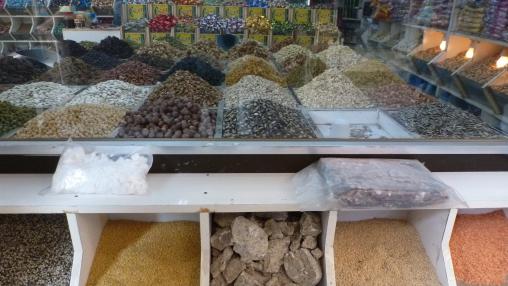
USDA has released its latest quarterly grain stocks update and is seeing important reductions in grain stock-to-use ratios. These reductions are expected to continue impacting prices and trade; however, as they were anticipated by most major traders, they should not increase price volatility in the coming weeks.
Improving Market Access Through Commodity Exchanges
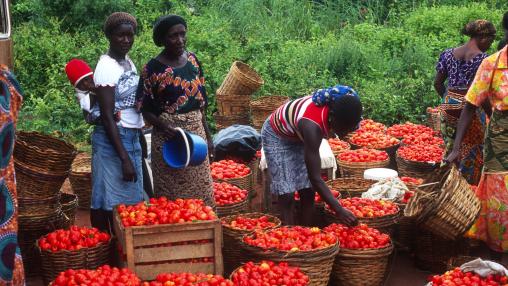
For many poor rural farmers, getting their products to market is one of the most daunting obstacles they face. Markets in developing countries often have weak integration, characterized by a lack of communication and information-sharing; thus, while markets in one region may offer higher prices for a commodity, farmers in other regions have no way of learning about, and taking advantage of, these price differences.
EU Wheat Prices See Moderate Volatility on Weather, Export Fears
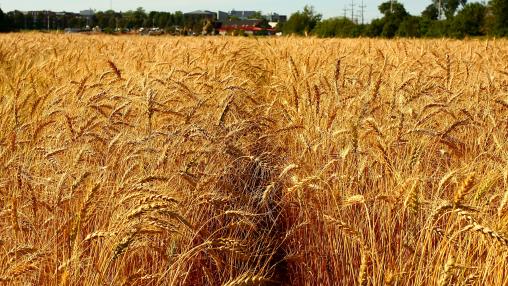
In recent days, the price for soft wheat has increased, as has its volatility. This increase in volatility has likely stemmed from reports that cold weather in Europe may damage crops, a fear that may in fact have been overstated. Reports from Russia about a potential new levy on wheat exports starting in April 2012 may have also played a part in this week's increased volatility.