

The Business of Agriculture: Best Practices for Sustainable Growth
On May 12, the USAID Agrilinks program held a webinar on a new report released by the World Bank, entitled Enabling the Business of Agriculture 2016: Comparing Regulatory Good Practices . The event examined the report’s key findings and discussed the objectives and future path of the Enabling the Business of Agriculture (EBA) project .
Growing Food for Growing Cities
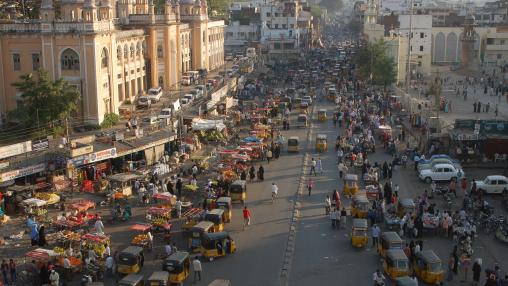
The world’s urban population is growing rapidly. According to a new publication from The Chicago Council on Global Affairs , more people live in urban areas than rural areas today, and by 2060, 66 percent of the world’s population will live in cities. This growth is particularly obvious in developing regions. Africa’s urban population is projected to grow from its current 40 percent to 56 percent by 2050; Asia’s urban population will grow from 48 to 64 percent during the same period, while Latin America’s will rise from 80 to 90 percent.
April Saw Mixed Global Wheat Prices, Slightly Higher Maize Prices
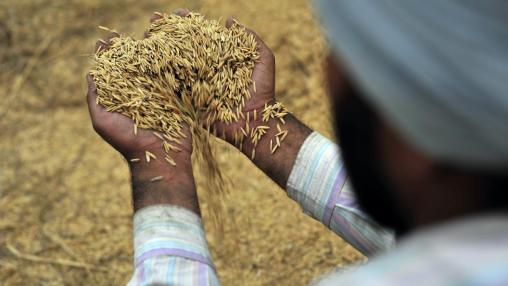
International wheat price trends were mixed in April but were still lower than wheat prices seen a year ago, according to the latest Food Price Monitoring and Analysis Bulletin released this week. The price of US hard red winter wheat fell three percent in April as a result of improved production prospects in several key producing areas. Global maize prices were up from March due to increased export demand and concerns about production in South America; however, April maize prices also remained lower than the previous year's levels.
FEWS Net Reports Stable Global Staple Food Prices, Supplies But Varied Country-level Conditions
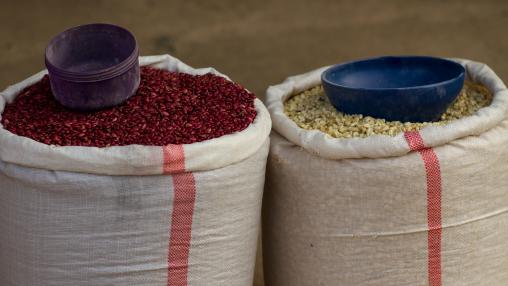
In the latest Monthly Price Watch , released by FEWS Net on April 29, international prices of maize, wheat, rice, and soybeans were reported stable in March, and below their respective 2015 levels. The report also sees well supplied international markets for these staple foods.
FAO Food Price Index Sees Slight Rise for Third Consecutive Month
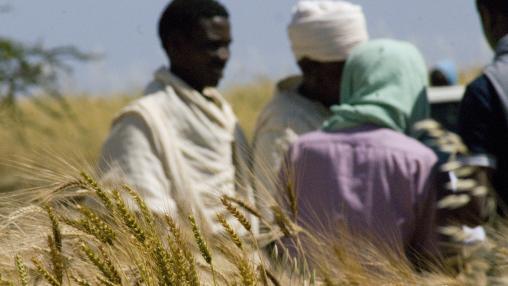
The latest FAO Food Price Index , released this week, rose 1.1 points from March. This is the third consecutive month that the Index has risen, but levels remain almost 10 percent below those seen in April 2015. This latest increase was driven mainly by increased vegetable oil quotations, combined with smaller gains in cereal prices.
Increasing Global Food Safety Requires Coordinated Value Chain Approach
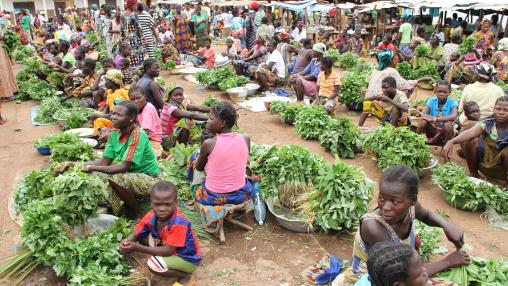
As the global food system becomes more integrated, urban populations grow, and incomes continue to rise around the world, the issue of food safety is drawing greater and greater attention, according to a new brief from the Global Panel on Agriculture and Food Systems for Nutrition.
New Book Unravels Causes, Consequences, and Implications of Food Price Volatility
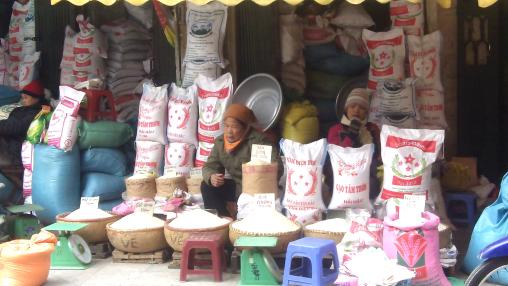
Food price volatility and extreme price shocks have serious implications for politics, agriculture, climate, and food and nutrition security, according to a new book published by the Center for Development Research (ZEF) and the International Food Policy Research Institute (IFPRI) , with support from the CGIAR Research Program on Policies, Institutions, and Markets (PIM) .
Is the Global Seed Industry Investing in Smallholders? A New Report Measures Private Sector Engagement
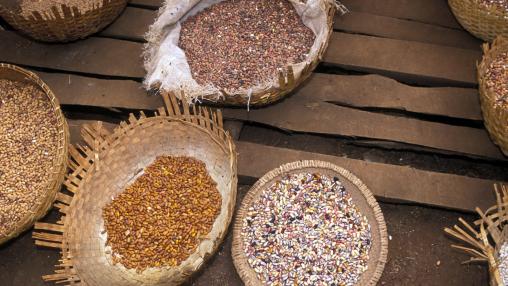
Improved seed varieties that are more resistant to heat, drought, and pests and disease can help farmers increase their crop yields and adapt to the effects of climate change. However, smallholder farmers often do not use improved seeds, because of prohibitively high costs, a lack of access to seed dealers, or a lack of information about the benefits of improved varieties.
Greater International Cooperation Needed to Ensure Food Security
Today’s global food and agriculture landscape is, in many ways, unrecognizable from what it was even at the start of the 21st century. From the widespread use of staple food crops for biofuel production to increased market volatility to growing threats from climate change, food security worldwide faces many new challenges. Add to that a burgeoning global population and complicated (and sometimes distortionary) national and international trade policies, and it becomes clear that policymakers need new, more coordinated options to ensure a food-secure future.
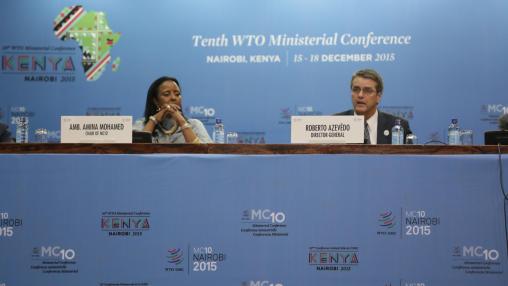
10th WTO Ministerial Conference Aims to End Agricultural Export Subsidies
On December 19, the 159 members of the WTO concluded the 10th WTO Ministerial Conference with the signing of a new international trade agreement, the Nairobi Package . The agreement contains several important outcomes on the issue of agriculture and represents the first major achievement by the WTO on this issue since the end of the Uruguay Round talks and the birth of the organization in 1995.