
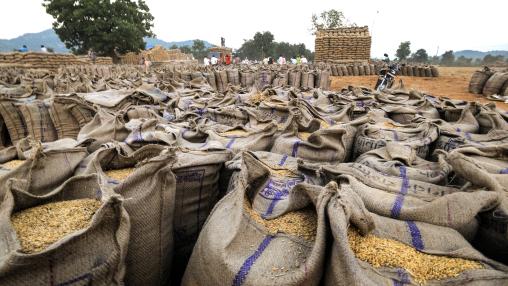
What role do markets and trade play in climate change adaptation?
Global trade is a complex, politically charged issue that has important implications for the global food system.
A recent paper in Food Policy, “Do Markets and Trade Help or Hurt the Global Food System Adapt to Climate Change” , investigates whether markets and trade aid or inhibit the global food system ability’s to adapt to climate change. The discussion and themes raised in the paper are based on results collected from a wide variety of sources.

ICTs to Improve Food Security and Aid Agricultural Initiatives
Research shows that the global growth of information and telecommunication technologies (ICTs) has resulted in significant development opportunities, especially in rural areas. ICTs can improve households’ agricultural production and profitability, increase job opportunities, and encourage the adoption of healthier practices and more effective risk management techniques.
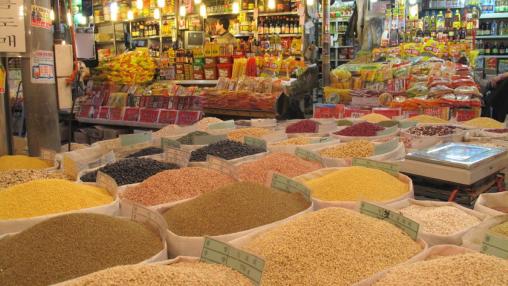
November Editions of the FAO Food Price Index and AMIS Market Monitor Released
The latest editions of the FAO Food Price Index and AMIS Market Monitor were both released on November 10. The FAO Food Price Index is a measure of the monthly change in international prices of a basket of five food commodity groups; the monthly AMIS Market Monitor covers the international markets for wheat, rice, maize, and soy and provides an overview of the market situation and outlook for each of these crops.
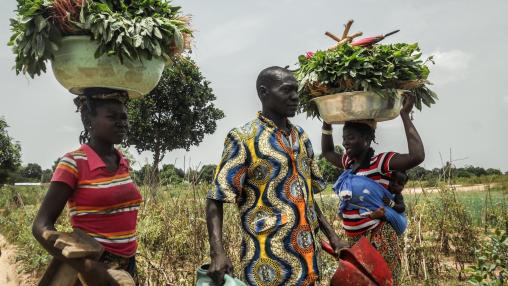
WTO Public Forum: Addressing gender inequalities in agricultural value chains
In many developing countries, women make up 50 percent or more of the agricultural labor force; however, women also often face an array of socio-economic conditions that place them at a disadvantage compared to men in local and international food systems.
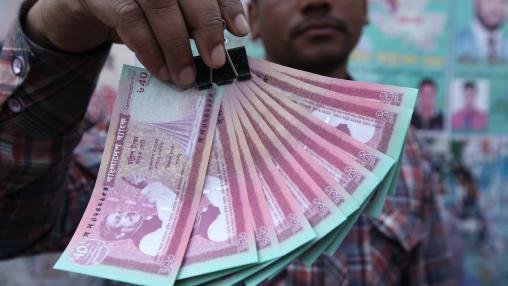
The Financial System We Need: Aligning the Financial System with Sustainable Development
Farmers’ ability to access reliable and inclusive systems of finance is critical for agricultural growth and economic development. Proper financing enables farmers to make long-term productive investments and to overcome short-term crises. In 2008, the world experienced the worst global financial crisis in decades (information on the relationship between food prices and financial activity, as well as agriculture and financial policies can be found in these recent blog posts from IFPRI and the Food Security Portal ).
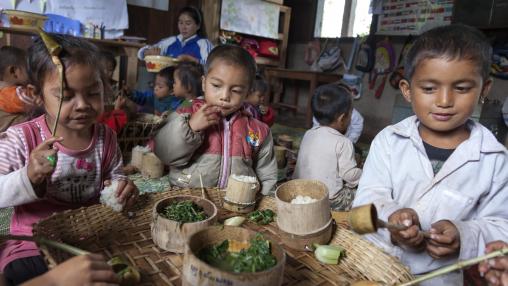
Long-Term Drivers of Food and Nutrition Security
The 2015 Global Hunger Index reports that despite progress in reducing hunger worldwide, hunger levels in 52 of 117 countries remain “serious” or “alarming.” The FAO’s 2015 State of Food Insecurity report estimates that 795 million people are undernourished, with uneven levels of undernourishment across countries. Simultaneously, the World Health Organization estimates that 1.9 billion adults are overweight.
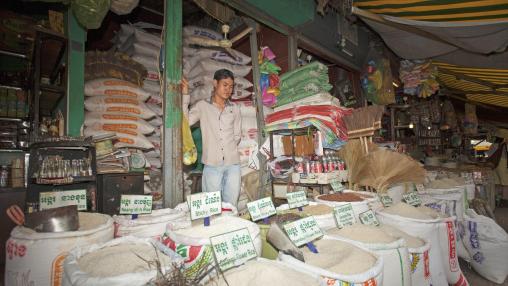
Latest FAO Food Price Trend Report Released
The FAO’s monthly report on food price trends was released on July 11. The bulletin reports on recent food price developments at the global, regional, and country levels, with a focus on developing countries and provides early warnings for high country-level food prices that may negatively affect food security.
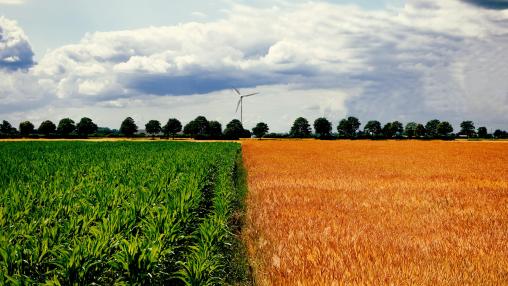
FAO Food Price Index Released Today
The FAO Food Price Index rose again in June for the fifth consecutive month, based largely on surging sugar prices and more moderate increases for cereals, dairy, and meat. The 6.6 point increase represents the largest monthly movement in the last four years.
The Cereals Index rose 4.4 points from May, but remains 3.9 percent below June 2015 levels. Strengthened maize prices drove most of this month's increases, as tightening export supplies in Brazil caused prices to rise.
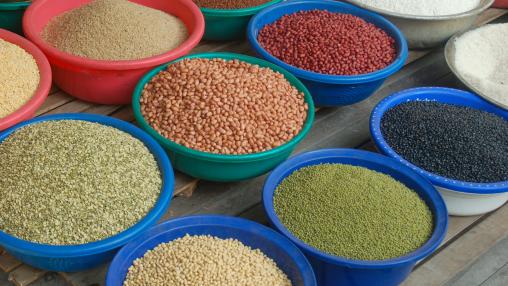
Food Outlook: Biannual Report on Global Food Markets
The FAO’s biannual report on global food markets was released this month. The report provides an overview of global trends for several main agricultural products, including wheat, coarse grains, rice, oilcrops, meat, and milk and fishery products, as well as a special feature on pulses. The report also provides a country-level review of major policy developments for grains, rice, oilcrops, meat, and dairy.
Evaluating Nairobi: Impacts on Trade, Food Security, and Development
In December 2015, the World Trade Organization reached an agreement on the Nairobi Package , the latest set of rules governing global trade. The agreement represents some progress on several major agricultural and food issues that have held up previous negotiations, including export subsidies , food aid, public stockholding for food security purposes, special safeguard measures for Least Developed Countries (LDCs), and the global cotton trade.