



Food Price Trends Report Released
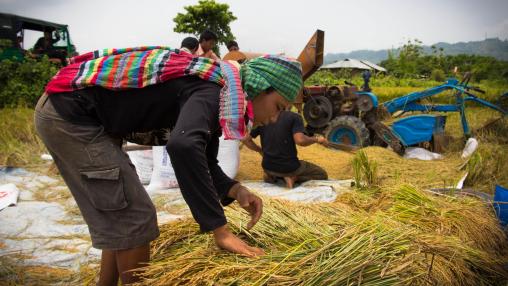
The latest version of FAO’s Monthly Report on Food Price Trends (FPMA) was recently released. The February report shows global cereal prices have increased overall since the start of 2018.
The evolution of nutrition policies: Evidence from India
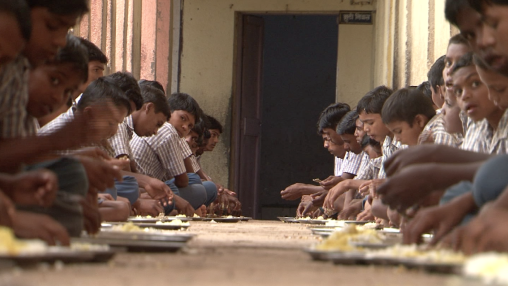
The Green Revolution in Asia in the 1960s led to increased production of staple food crops like rice and wheat, which reduced hunger and boosted incomes and overall economic growth. However, according to a new study published in Global Food Security, this progress has been slow to translate from food security, focused on quantity of food, to nutrition security, focused on quality of food. As such, malnourishment in the form of chronic micronutrient deficiencies, overweight, and obesity continue to plague the region.
The Global Food System and Employment
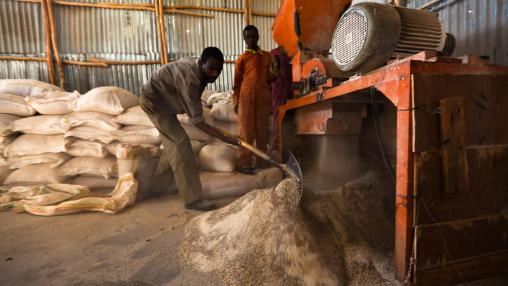
The food system represents a vital economic sector, making up the largest source of employment (both self-employment and wage employment) in many developing countries. This system extends far beyond farm production to include a wide range of activities, including food processing, transportation, and retail. A new report from the World Bank examines how the global food system can be strengthened to fulfill the SDG goals of enhanced global employment and reduced poverty.

Whither global trade talks after the failure in Buenos Aires?
The gathering of the Eleventh Ministerial Conference of the World Trade Organization in Buenos Aires Dec. 10-13 was impressive in size. It brought together nearly 4,000 ministers, senior trade officials and other delegates from the WTO's 164 members and observers as well as representatives from civil society, business and the global media.

Building food security through international trade agreements
Although food security has long been recognized as a universal human right, 815 million people worldwide remained undernourished in 2016. In addition, the number of hungry people around the world increased by 38 million between 2015 and 2016, marking a reversal in the trend of falling hunger seen over the past 20 years.
As the Eleventh WTO Ministerial Conference in Buenos Aires wraps up this week, the role of trade in reducing hunger and ensuring food security must be prioritized. This calls for enhanced international cooperation on a multilateral scale.
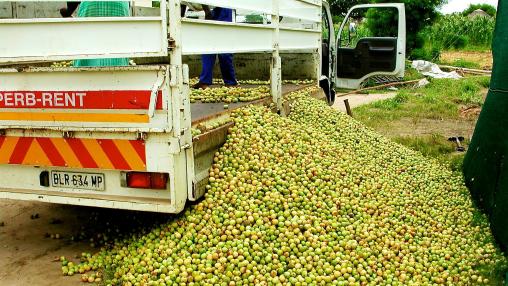
Better Measurement Needed to Track Reality of Food Loss
With about one-third of all food produced around the world lost or wasted each year, reducing food loss and waste is a key component in ending hunger and malnutrition. A major hurdle, however, stems from the fact that food loss and waste are complex issues, and thus properly measuring them and identifying where in the food system they occur remain a challenge. Food loss and waste have been defined in various ways in the literature, and there has thus far been no single measurement methodology agreed upon.
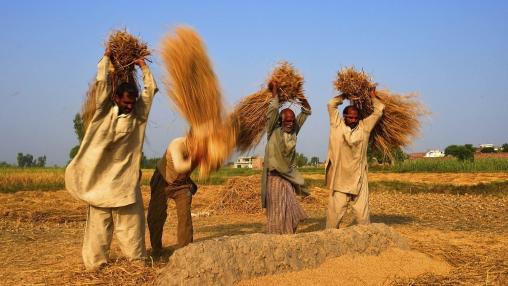
Latest FPMA Report Released
The latest Food Price Monitoring and Analysis (FPMA) Bulletin from FAO cites higher global wheat export prices in July, up 6 percent from June and 28 percent from July 2016. Continued hot, dry weather raised concerns about availability, particularly of high-quality wheat; the European Union and the Black Sea region also saw harvest delays, further pushing up prices.
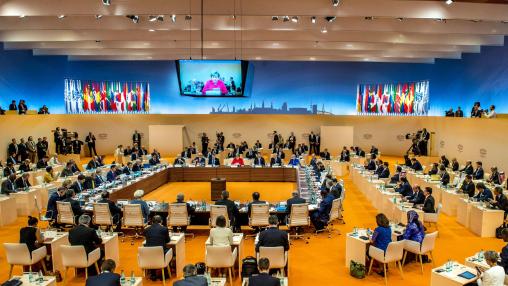
Sustainable Growth Takes Center Stage at 2017 G20 Summit
Leaders of the G20 countries met in Hamburg, Germany on July 7-8 for the 2017 G20 Summit Meeting. The meeting covered a multitude of critical topics , including climate change, international trade relations, globalization, poverty and hunger, gender inequity, and inclusive and sustainable economic growth.
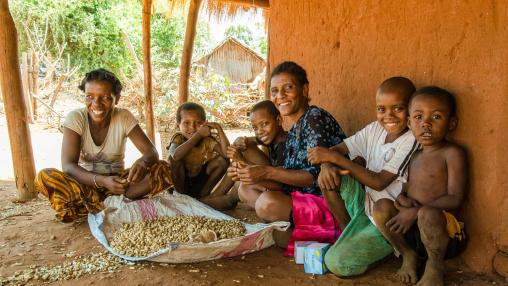
Country-Driven Innovations and Agrifood Value Chains for Poverty and Hunger Reduction
While progress has been made in reducing global poverty over the last two decades, about one billion people still live in poverty, according to the latest World Bank estimate. In addition, according to FAO, over 800 million people suffer from hunger, while more than two billion people suffer from macronutrient deficiencies, or “hidden hunger”. IFPRI’s 2016 Global Hunger Index reports that 50 countries continue to have “serious” or “alarming” hunger levels, with the most affected areas in Africa south of the Sahara and South Asia.
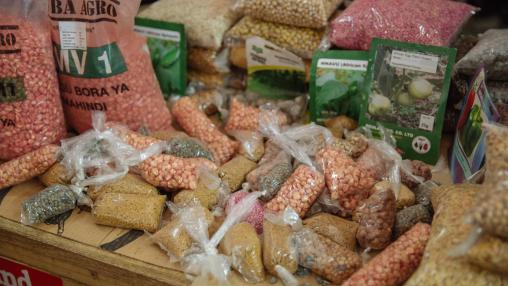
Transmission of Grain Prices and Grain Price Volatility from World to Local Markets
Since the 2007-2008 food price crisis, food price volatility has been front and center in the international development conversation. The period of the crisis saw a dramatic rise in the international price of grains and other important commodities, while the years immediately following the crisis saw increasing grain price fluctuations on the international market.