
When it comes to resilience, we must put vulnerable farmers in the driver's seat
By Indira Joshi
The crippling of the multilateral trading system
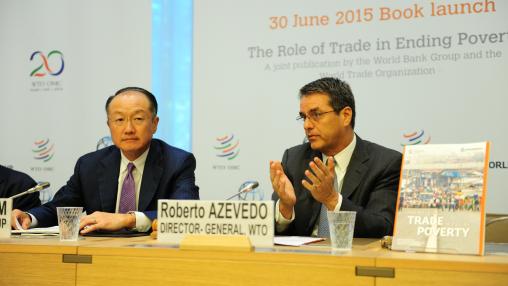
As of today (Dec. 10), the dispute settlement mechanism of the World Trade Organization (WTO) has been crippled, as its Appellate Body (AB) has been left with less than three members on the seven-member body. The U.S. government has blocked the WTO from appointing new members, leaving the AB without the minimally required number of judges to hear appeals in trade disputes.
T20 Recommendations for Food Security and Sustainability
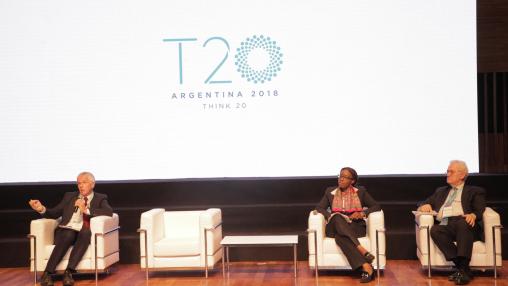
As the world strives to feed a growing population in the face of declining natural resources and ongoing food security crises, commitment from policymakers to a sustainable food future is more important than ever. Argentina’s G20 Presidency has set sustainability and food security as a top priority for this year’s upcoming Ministerial Meeting, and these priorities were also focus of the recent T20 (Think 20) Summit, held in Buenos Aires in September 2018.
Falling commodity prices: Latest FAO Food Price Index
The FAO Food Price Index declined somewhat in September, falling 1.4 percent from August to an average of 165.4 points. This represents a 7.4 percent decline from September 2017 levels.
The Cereal Price Index fell by 2.8 percent from August. Maize prices saw the most significant month-to-month reduction, falling by around 4 percent due to ample global supplies and prospects for a large U.S. crop. Wheat prices also declined in September due to strong exports from Russia. Rice prices experienced the smallest decline (1 percent) due in part to an appreciation of the Thai Baht.
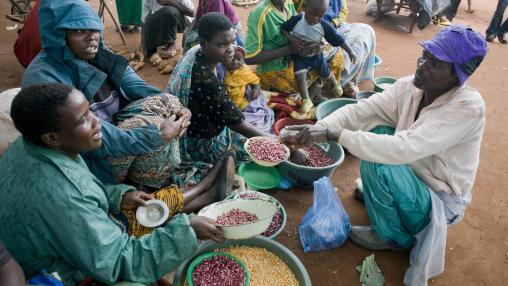
Cereal, fertilizer prices rise in August
The FAO Food Price Index remained virtually unchanged in August, although cereal prices rose as a result of declining crop prospects. At 167.6 points, the Index is around 9 percent lower than its August 2017 levels.
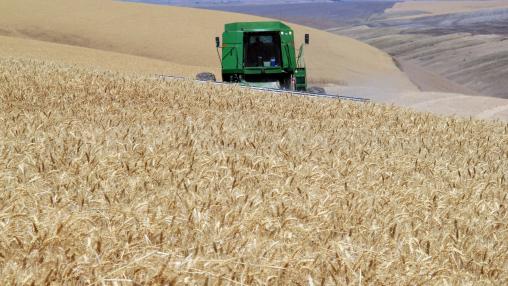
Wheat prices continue to see excessive volatility
Both hard wheat and soft wheat prices are experiencing a period of excessive volatility, according to the Food Security Portal’s Excessive Food Price Variability Early Warning System. Hard wheat futures prices on the Chicago Board of Trade began experiencing excessive volatility earlier in August, while soft wheat prices began to see excessive movement toward the end of the month. According to the Wall Street Journal, Chicago wheat futures reached a three-year high in early August. This surge was quickly followed by a decline in prices.
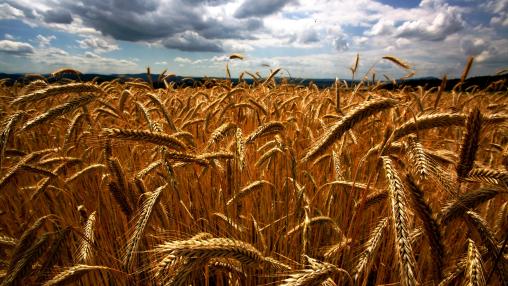
FAO Food Price Index Falls in July
The FAO Food Price Index fell sharply in July, the largest such decline since December 2017. The Index dropped by around 3.7 percent month-to-month from June, as well as 3.7 percent from its July 2017 levels. The decline is driven by reductions across all sub-indices.
The Cereal Price Index fell 3.6 percent from June and 0.8 percent from July 2017. The price of wheat, maize, and rice declined in June, although maize and wheat prices crept back up toward the end of the month due to concerns over production prospects.

Global wheat and maize prices continue to rise
Global wheat and maize prices rose for the third consecutive month in March, according to the latest FPMA Bulletin from FAO. This increase brings prices more than 10 percent above their December 2017 levels.
Prolonged dry weather in the United States drove much of the price increases for wheat, as did concerns about cold and wet weather in some parts of Europe. Dry weather in Argentina contributed to maize price increases. Global demand for these commodities also remained strong in March, further driving up prices.
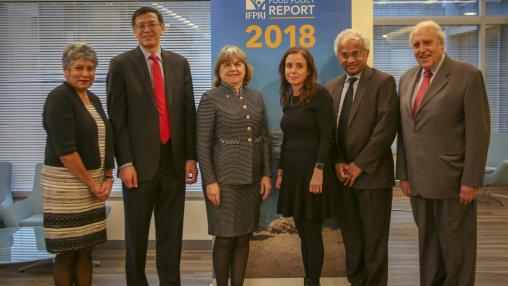
The Rise of Antiglobalization: 2018 Global Food Policy Report
The world will continue to face major challenges from political and economic uncertainty, conflict, and climate change in 2018 and beyond, and the rising trend of anti-globalization in some developed countries could hamper the ability of policymakers to respond to these challenges. The result could be slowed progress toward the Sustainable Development Goals (SDGs) and food and nutrition security, especially in developing countries.
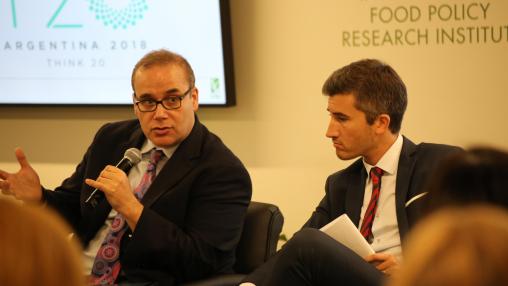
Policy seminar: Collaboration, sustainability must be key focus for Argentina G20
Argentine President Mauricio Macri has said that his country will place development, fairness, and sustainability at the forefront of this year’s G20 agenda, setting the theme of the Argentina G20 Presidency as “Building Consensus for Fair and Sustainable Development.” Experts recently gathered at IFPRI for a roundtable discussion on what these themes mean for food production systems, food security, and nutrition.