
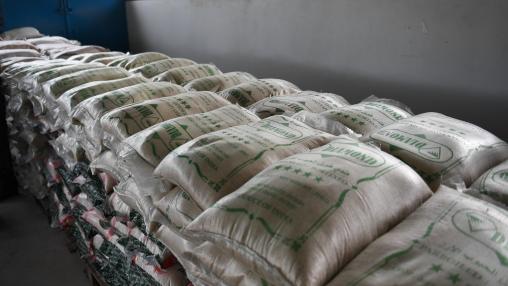
FAO, AMIS Report Ongoing Price Increases, Warn of Potential Price Volatility
The FAO Food Price Index continued its 11-month climb in April, rising by 1.7 percent from March 2021. The Index also surged 30.8 percent above its April 2020 levels to reach its highest level seen since May 2014.
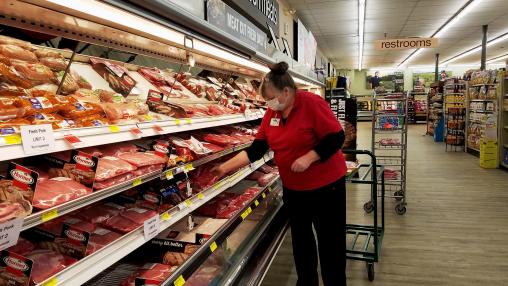
Measuring the True Cost of Food
Think20 (T20) is a G20 engagement group that connects and collaborates with think tanks around the world to provide ideas and recommendations to G20 leaders. This blog pulls from one of the briefs published by the T20 task force on Sustainable Energy, Food, and Water Systems, one of ten T20 task forces for this year’s Saudi Arabia G20 Presidency. Second in a series.
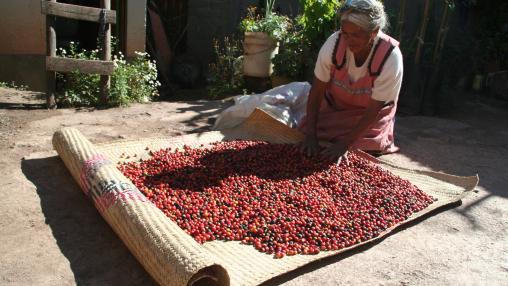
Food market stability: A necessary step for global social and environmental sustainability
Think20 (T20) is a G20 engagement group that connects and collaborates with think tanks around the world to provide ideas and recommendations to G20 leaders. This post summarizes the first in a series of seven briefs by the T20 task force on Sustainable Energy, Food, and Water Systems, one of ten T20 task forces for this year’s Saudi Arabia G20 Presidency. First in a series.
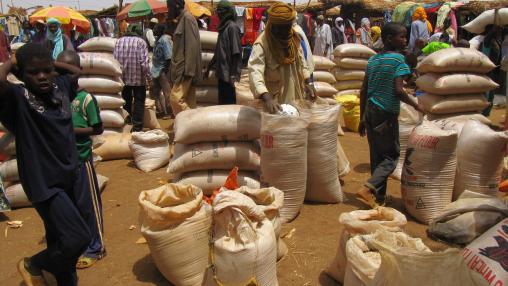
Prepare food systems for a long-haul fight against COVID-19
The COVID-19 pandemic has hit the global economy hard, and in many places other factors—such as the locust invasion in East Africa and falling export commodity prices—are compounding its effects. FAO Chief Economist Maximo Torero observes that no modern economy has experienced anything like the combination of the Great Lockdown and the worst recession since the Great Depression, and that these could trigger a global food crisis—with Africa south of the Sahara especially vulnerable. He lays out a series of policy prescriptions that can help keep millions from starvation and fortify food systems for a post-pandemic world.—Johan Swinnen, series co-editor and IFPRI Director General.
COVID-19 and resilience innovations in food supply chains
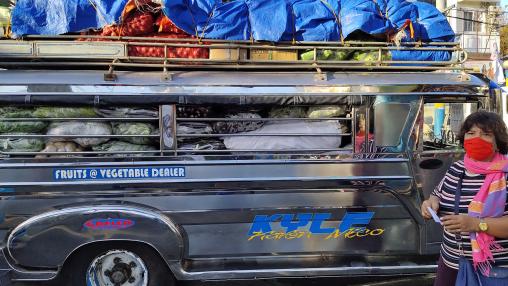
Food supply disruptions in developing countries during the COVID-19 pandemic have been varied and often severe, especially in labor-intensive segments of supply chains. Tom Reardon of Michigan State University and IFPRI’s Jo Swinnen summarize early experiences in both international and domestic supply chains across various types of firms and commodities. They review a range of innovations developed to keep supply chains running, many implemented at a surprisingly rapid pace—and make recommendations on to facilitate continued innovation to speed the recovery and ensure better food supplies post-pandemic.—John McDermott, series co-editor and Director, CGIAR Research Program on Agriculture for Nutrition and Health (A4NH).

Building inclusive food systems: 2020 Global Food Policy Report Released
Inclusive, sustainable food systems are crucial for long-term economic and food security, particularly in light of the new challenges presented by COVID-19.
FAO Food Price Index Rises for Fourth Straight Month
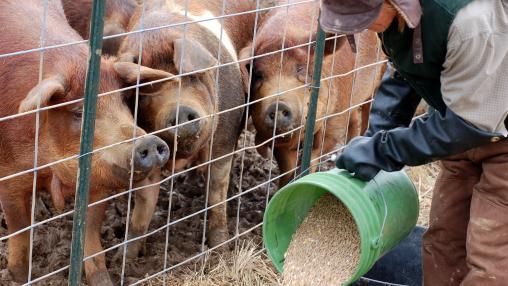
The FAO Food Price Index continued to rise in January for the fourth consecutive month. While the month-on-month increase from December was marginal (0.7 percent), the Index reached 11.3 percent higher than its January 2019 levels. The increase was driven mainly by vegetable oil prices, although cereal prices also played a role to a lesser extent.
Global markets can help reduce climate-driven food insecurity
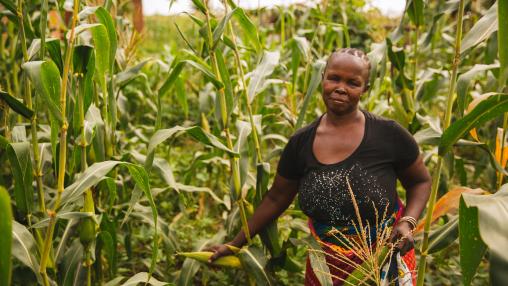
Climate change is almost certain to increase the volatility of agricultural output over the next 30 years—particularly in low-income countries in Africa south of the Sahara and other areas around the world where subsistence farming is a major source of food production. Climate-driven impacts such as droughts and extreme weather events will raise the risk of severe food shortages for smallholder farms and in rural and urban communities throughout those countries.
Rising Prices, Optimistic Market Outlook: Latest FAO Food Price Index and AMIS Market Monitor Report
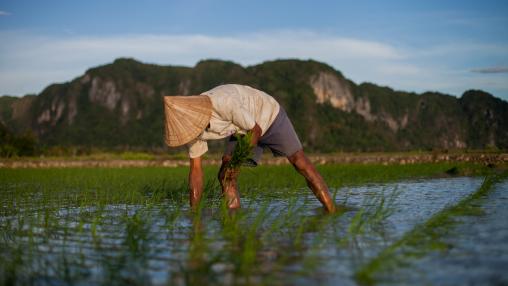
Strong rebounds in global vegetable oil prices, as well as sugar and dairy prices, drove the FAO Food Price Index to its highest point in five years in December. The December Index rose by 4.4. percent from November, the third such consecutive monthly increase, and reached 181.7 points.

Knowledge for a Sustainable Food Future: New Foresight Tool Examines Impact of Agricultural Investments
How can we feed 10 billion people by 2050? How much and in what ways will climate change impact global food production? What can be done to ensure that the world’s agriculture and food systems remain sustainable in both the short and the long term?