


Domestic Food Prices and the COVID-19 Pandemic: How Policies Helped and Hurt
Protectionist policies such as export restrictions are often used as an immediate response to spiking food prices and other food shocks, such as those posed by the COVID-19 pandemic. These policies are increasingly being recognized as detrimental to long-term global food security and can also have impacts for local food security, particularly for low-income and net food importing countries. However, a lack of real-time data makes it difficult for policymakers to see how these responses are truly impacting food markets within their countries.

IFPRI Policy seminar: Farm subsidies and international trade rules
The Uruguay Round of international trade negotiations, which started in 1986 and concluded in 1994, advanced trade liberalization and led to the formation of the World Trade Organization (WTO). The Uruguay Round Agreement on Agriculture (URAA) stands out as a hallmark, since it brought agriculture—until then mostly not covered by international trade disciplines—into a rules-based framework.

Global Food, Fertilizer Prices Continue to Fall, But Local Volatility Remains
The FAO Food Price Index continued to decline in March, dropping by 2.1 percent from the previous month. The Index has fallen by almost 21 percent since March 2022.
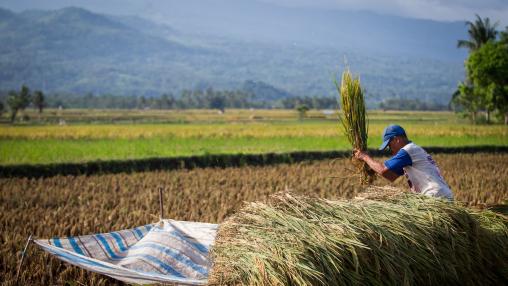
Food, fertilizer prices fall, but concerns over inflation remain
Food prices fell by 0.8 percent in January, according to the FAO Food Price Index. This latest decline brings the Index to the lowest point seen since its peak in March 2022.
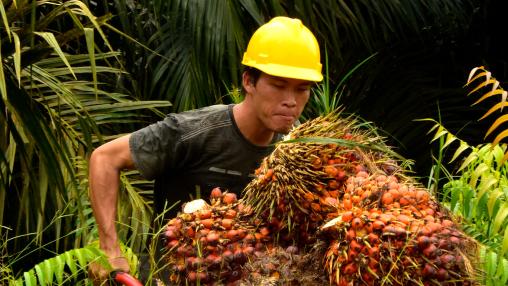
Food export restrictions have eased as the Russia-Ukraine war continues, but concerns remain for key commodities
In the weeks following Russia's invasion of Ukraine in late February 2022, several countries imposed export restrictions—including licensing requirements, taxes, and some outright bans—on a variety of feed and food products. These measures helped to fuel war-related disruptions in global markets and contributed to higher prices and increased price volatility.
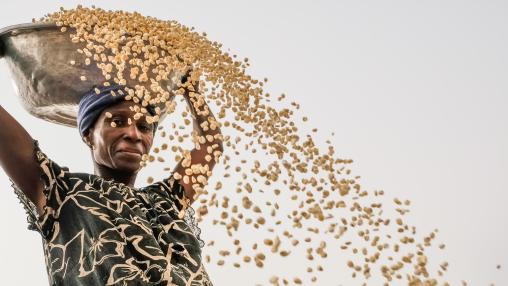
FAO Food Price Index Released
The FAO Food Price Index held steady in November and was only 0.3 percent above its November 2021 level. Rising vegetable oil prices were checked by declines in cereal prices.
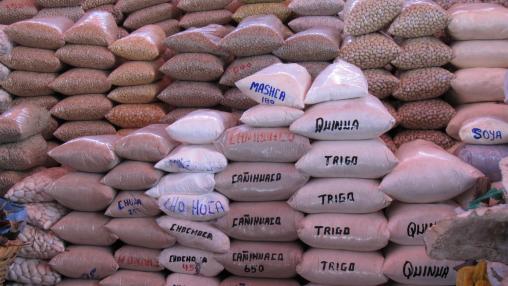
FAO Food Outlook Sees Surging Food, Agricultural Import Bills
The latest Food and Agriculture Organization of the United Nations (FAO) Food Outlook, released on November 11, 2022, sees continued challenges for global food security due to high energy and fertilizer costs, climate change, trade restrictions, economic downturns, and continuing conflicts around the world.

Concerns over Black Sea Grain Initiative and the Impact on Food Prices: FAO Food Price Index and AMIS Market Monitor Released
The October FAO Food Price Index remained largely unchanged from September, with rising cereal prices balanced by declines in the other commodity groups. The overall Food Price Index has fallen by almost 15 percent from March 2022 but remains 2 percent above its October 2021 levels.
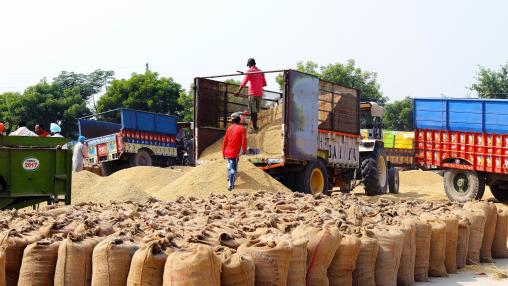
FAO Food Price Index Hits Record High
The FAO Food Price Index hit a record high in February, exceeding the previous record of February 2011. The index rose 3.9 percent from January and 20.7 percent from February 2021. Vegetable oil, dairy, cereal, and meat price increases all contributed to the continued surge.
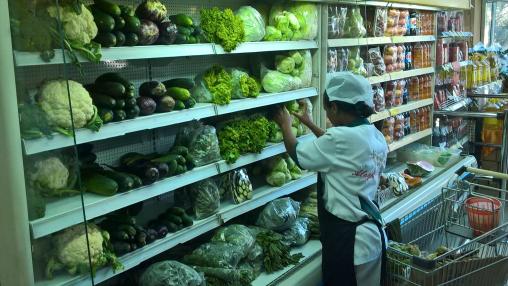
Can urbanization benefit rural populations?
Increasing urbanization plays a major role in shifting patterns of food supply and demand and thus in transforming food systems. These transformations carry significant implications for the livelihoods of rural populations, presenting both challenges and opportunities. A new paper published in Food Security examines some of these impacts in Africa south of the Sahara (SSA) and South Asia, as well as the enabling environments needed to help rural communities benefit from the changes.