




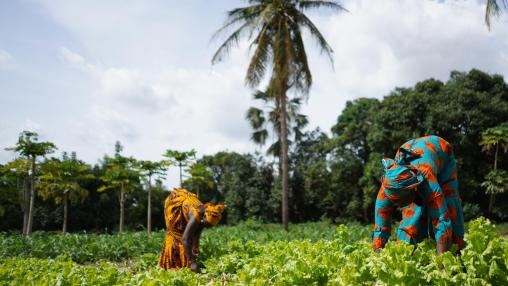
Who’s afraid of high fertilizer prices?
During 2021 and 2022, global food and fertilizer prices spiked due to several overlapping factors. Demand rose as the world economy emerged from the COVID-19 recession; global supply chains suffered major disruptions associated with the uneven recovery; and the outbreak of war between Russia and Ukraine—both key food and fertilizer producers—generated yet another shock.
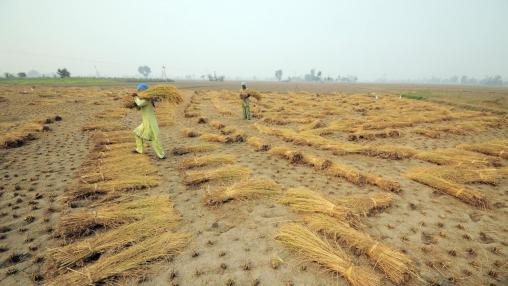
India’s export restrictions on rice continue to disrupt global markets, supplies, and prices
Six months after India introduced a set of export restrictions on rice with the aim of holding down domestic prices, global rice markets continue to feel the impact.

Impacts of Red Sea shipping disruptions on global food security
The recent attacks of Yemen-based Houthi rebels on ships in the Red Sea have paralyzed shipping through the Suez Canal, forcing exporters in the Black Sea region and elsewhere to consider alternative—and more costly—shipping routes. In early January, A.P. Moller-Maersk A/S, the world's second-largest container ship company, announced it would suspend shipments through the Red Sea. Trade volumes in the Suez Canal are down an estimated 40% since the attacks began.

Report launch: The key role of trade in strengthening food security in Latin America and the Caribbean
Recent events such as the war in Ukraine and the El Niño weather cycle have demonstrated how shocks triggering changes in production and distribution of food in one country or region can reverberate around the world, eroding food security for millions if not billions. Efficient, agile, and diverse trade networks can help countries and suppliers to cope with these shocks and strengthen food security. These networks are especially relevant for Latin America and the Caribbean (LAC).

Déjà vu all over again: Global sugar markets roiled by El Niño, biofuels and trade policies
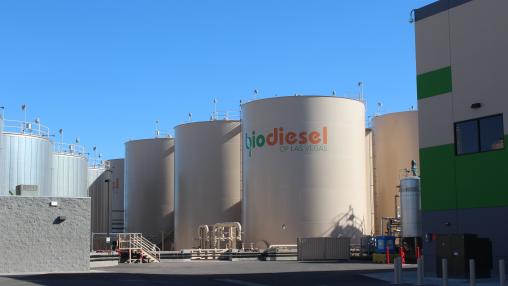
As with other commodity markets such as rice, the global sugar market has seen large increases in prices due to El Niño-related production shortfalls in major exporting countries in South and Southeast Asia. At the same time, other factors are also constricting supplies. Port bottlenecks have tied up exports in Brazil, the world's largest sugar exporter, despite a large increase in production over last year's levels. Domestic biofuel policies in key exporting countries are diverting sugar production to biofuel production and thus limiting exports.
FAO Food price Index Declines in October, But Volatility in Some Markets Remains
Food prices continued to decline, albeit more slowly, in October, according to the latest FAO Food Price Index. The Index was down 0.5 percent from September and 10.9 percent from October 2022.
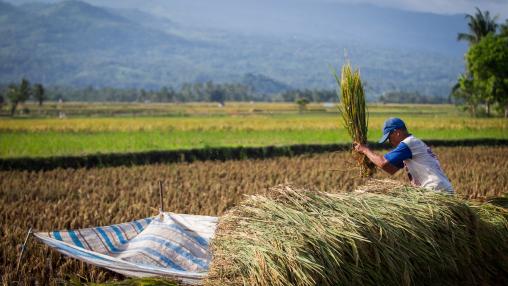
Food Price Index Stable in September But Rice Prices Remain a Concern
The FAO Food Price Index remained virtually unchanged month-to-month in September and almost 24 percent lower than the peak reached in March 2022.
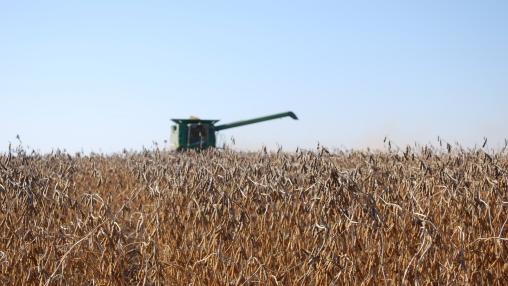
Rising Vegetable Oil Prices Drive Up FAO Food Price Index
While the FAO Food Price Index saw a minor increase in July, it remains 16 percent below its July 2022 levels. Rising vegetable oil prices drove the month-to-month increase.
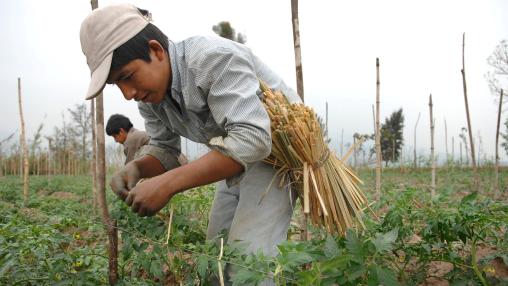
Advancing agricultural trade reforms: Latin American contributions to the multilateral trading system
Multilateral trade negotiations over agriculture present a complex set of challenges: Finding a balance between the diverse interests and positions of the 164 members of the World Trade Organization (WTO) is exceedingly difficult due to the importance and varied sensitivities of this sector across countries. Those with significant agrifood exports want new market opportunities and thus promote greater trade liberalization; other members, generally importers, prefer to focus on increasing domestic production and protecting their domestic markets.
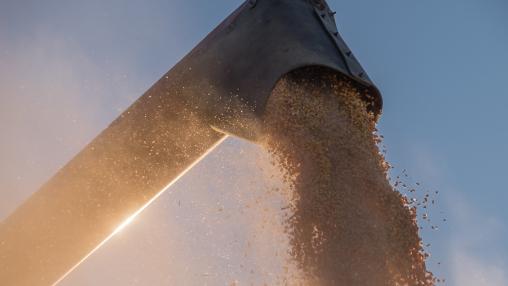
Lessons from the Ukraine Crisis: New Ebook Released
With the world already reeling from the high food prices and other economic impacts of the COVID-19 pandemic, the outbreak of conflict in Ukraine in February 2022 again raised the specter of a major global food security crisis. Since that time, analysis of the extant and potential future impacts of the conflict on food and fuel prices, trade, food security, and poverty has been a primary focus for policymakers, researchers, and development professionals around the world.