


Balancing external shocks and domestic reforms: Do U.S. tariffs erode India’s tax reform benefits?
On February 2, 2026, the United States and India finalized a trade deal in which the U.S. will reduce its tariffs from 50% to 18% on merchandise imports from India. Earlier, on August 1, 2025, U.S. imposed 25% tariff on such imports (comprising a 10% baseline tariff + 15% reciprocal component). These tariffs cover around 70% of India’s exports to the U.S. Further, on August 27, 2025, an additional 25% tariff was implemented, as a penalty for Russian oil purchases, bringing the tariff rate to 50%. The measure was among the highest U.S.
FAO Food Price Index Declined in January, Pointing to Cautiously Optimistic 2026 Outlook
The FAO Food Price Index fell in January for the fifth straight month, to nearly 23 percent below the record high seen in March 2022. Sugar, meat, and dairy prices drove the decline. The Cereal Price Index rose marginally in January but is still nearly 4 percent below its January 2025 level. Wheat prices fell 0.4 percent, with strong global supplies balancing growing demand and concerns about weather in several major producing regions. Strong supplies drove maize prices down slightly as well.
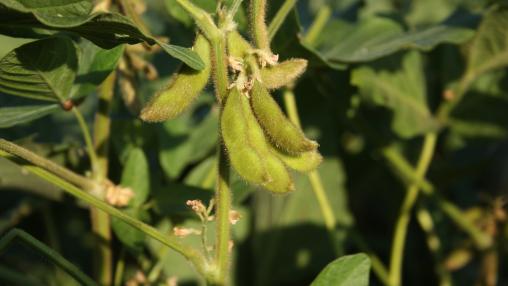
FAO Food Price Index Declines for Third Consecutive Month
The FAO Food Price Index fell for the third month in a row in November, declining by 1.2 percent. Prices declined for all commodities except cereals. The Index in November stood 2.1 percent below its year-earlier level and nearly 22 percent below the peak of March 2022.
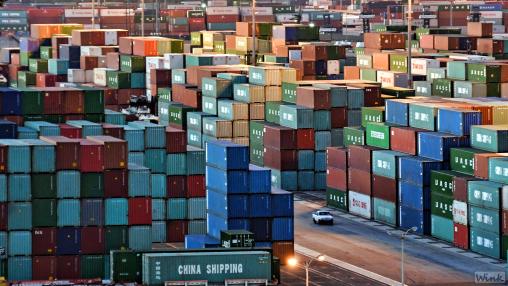
Uncertainties over Trade Continue to Raise Concerns for Food, Fertilizer Markets
The FAO Food Price Index rose 1 percent in April, driven by increasing cereal, dairy, and meat price. While the Index was 7.6 percent higher than its April 2024 level, it remains nearly 20 percent lower than the record reached in March 2022.
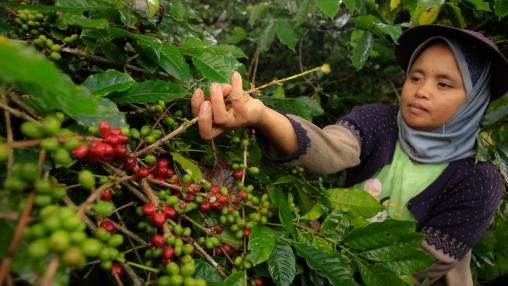
How ‘reciprocal tariffs’ harm agricultural trade
First in a blog series examining the potential consequences of the newly proposed U.S. tariffs for global agrifood trade.
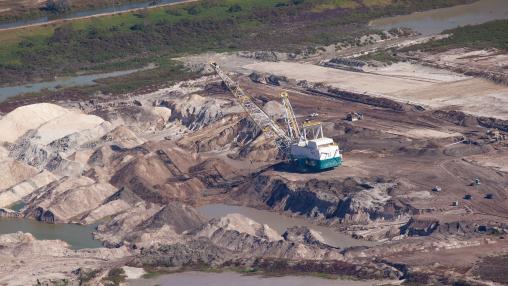
High global phosphate prices pose potential food security risks
Fertilizer prices experienced a significant surge in 2021, driven by the post-COVID 19 global economic recovery. Russia’s February 2022 invasion of Ukraine propelled prices even higher. Broad economic sanctions on key fertilizer exporters Russia and Belarus exempted agricultural products but triggered further economic disruptions. Overall, the conflict heightened market uncertainties regarding the availability of potash, phosphate, and nitrogen-based fertilizers in international trade.
Food, Fertilizer Prices Continue to Rise Amid Trade Uncertainties
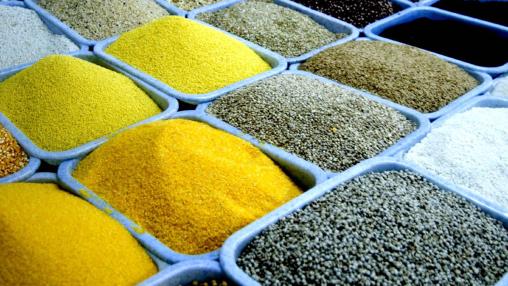
Rising vegetable oil, cereal, sugar, and dairy prices drove the FAO Food Price Index up by 1.6 percent in February. However, overall prices remain almost 21 percent lower than the peak seen in March 2022.

Impact of proposed U.S. tariffs on agricultural trade flows in the Western Hemisphere
With new U.S. tariffs on Canada and Mexico now in effect, what are the potential impacts on trade among those countries and across the Western Hemisphere?
Food Prices Rise Slightly in 2024 But Remain Below 2022 Peak
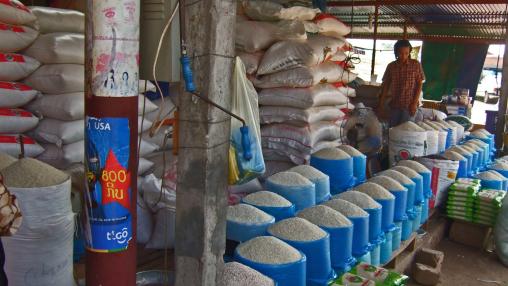
In 2024, the FAO Food Price Index was 2.1 percent lower than its 2023 average. While the December 2024 Index was higher than its December 2023 value, it also remained well below the peak prices seen in March 2022.
Catastrophe-Level Food Insecurity Highest Ever Recorded: GRFC Mid-Year Update Released
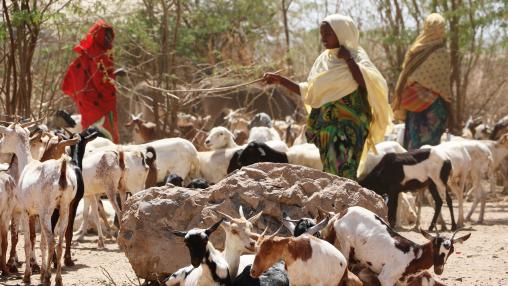
According to the Global Report on Food Crises (GRFC) Mid-Year Update, the number of people facing or expected to face IPC Phase 5 (Catastrophe/Famine) food insecurity more than doubled from 2023 to 2024: from just over 700,000 people to 1.9 million people in four countries/territories. This is the highest number ever recorded by GRFC reporting.