

Food Security Resilience in Somalia
Compound Vulnerability and Food Security in Somalia
Conflict in the Middle East: Reverberations for Food Systems
While the global food system has largely adjusted to the disruptions in agricultural commodities and fertilizers following the invasion of Ukraine, the new conflict in the Middle East introduces a new set of challenges at a time when markets and supply chains remain vulnerable to geopolitical shocks.
Advancing Poverty Graduation in Fragile Contexts: A New Agenda for Research and Policy
Multifaceted livelihoods interventions that target households in extreme poverty are extremely effective in reducing extreme poverty, with consistent gains in income, consumption, savings, and psychosocial well-being. These interventions, often called graduation models, have been widely evaluated, but most evidence comes from stable rural settings.
Using Local Knowledge to Enhance Food Systems Resilience
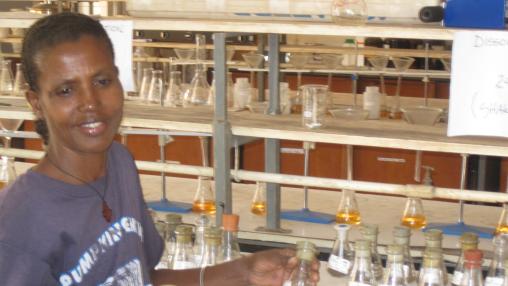
With food crises on the rise, with an estimated 295.3 million people facing high levels of acute food insecurity in 2024. In the face of these stark hunger levels, policymakers, humanitarian organizations, development practitioners, and private sector actors urgently need knowledge about how to effectively enhance the resilience of local and regional food systems.
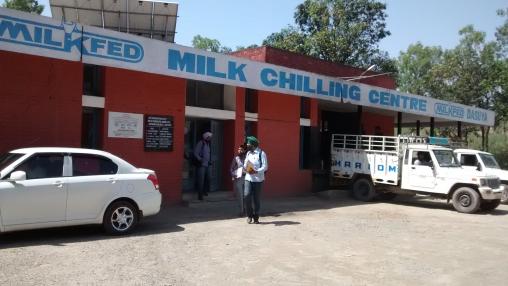
Agrifood value chain finance can expand opportunities for smallholders
Agrifood value chains (AVCs) in low- and middle-income countries (LMICs) have been expanding due to a range of factors, including income growth, urbanization, more market-oriented policies, globalization, and technological changes. Integrating smallholder farmers into those growing value chains, particularly for higher-value commodities, is an important path towards reducing poverty and generating employment opportunities, particularly for women and rural youth.
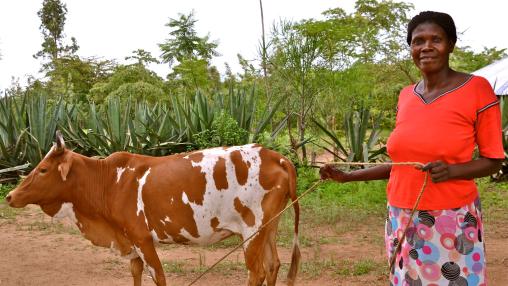
The future of climate change and food system research: 2025 Global Food Policy Report
The realities of a changing climate are becoming increasingly clear, with temperatures rising around the world and extreme weather events, like flooding and droughts, becoming more and more frequent. April 2025 was the second hottest April globally on record, and evidence suggests such anomalous high temperatures could become the norm rather than the exception.
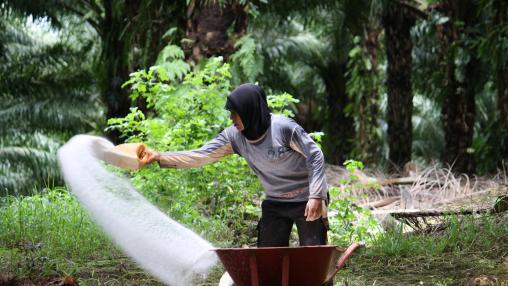
Tracking Fertilizer Price Volatility: Expanding the Food Security Portal’s Excessive Food Price Variability Early Warning System
Fertilizer is a critical input for agricultural productivity, and its increased use has been closely associated with rising agricultural yields in many countries. In developing economies that rely heavily on fertilizer imports and are home to vulnerable smallholder farmers, fertilizer price spikes can pose serious risks. When farmers lack access to effective risk-sharing mechanisms, sudden or excessive increases in fertilizer prices can discourage adoption, disrupt planting decisions, and reduce productivity.
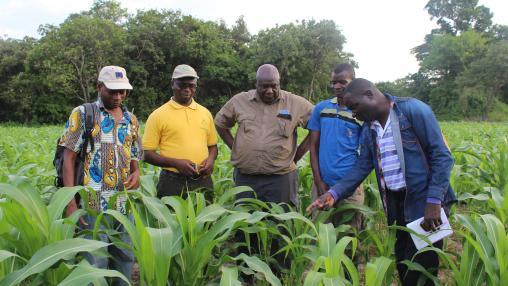
Reforming agricultural extension to build resilient and sustainable food systems: Insights from national and international consultations
Food systems around the world face growing challenges. They must be transformed to sustainably feed a growing global population and made more resilient to shocks from extreme weather to conflict. Efforts on those fronts are increasingly interlinked—and depend on well-targeted local interventions.
Learning Support for a Multi-Country Climate Resilience Programme for Food Security
The Learning Support for a Sub-Saharan Africa Multi-Country Climate Resilience Program for Food Security, launched in 2023, aims to enhance food security and climate resilience across 14 African countries. This collaboration among CGIAR, the World Food Programme, and the Norwegian Agency for Development Cooperation (Norad) has three pillars: scaling disaster risk financing, transforming food systems with sustainable school meals and clean cooking, and supporting smallholder farmers.