




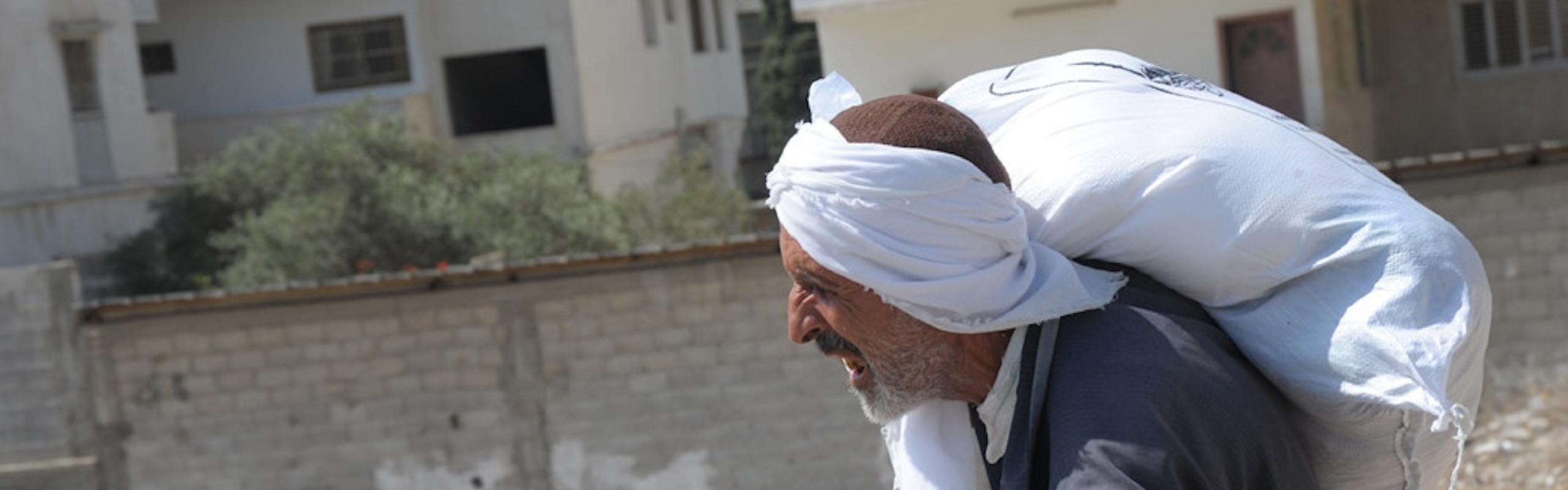
The Gaza Strip has seen some gains in food security and nutrition security since the October 2025 ceasefire was declared, thanks mostly to scaled-up humanitarian efforts. However, aid levels have fallen again since February, and the number of people in acute food insecurity is on the rise again, according to a new IPC alert.
Since October 2025, in-kind food aid and cash assistance have reached millions of people throughout the Gaza Strip. In addition, commercial imports have resumed, although they remain below the levels seen before the conflict broke out. However, while humanitarian aid has increased household food consumption, most households are still struggling to meet their food needs. In May, 83 percent of households reported having no source of income and relying almost entirely on external assistance.
As of June, the entire region is classified in IPC Phase 3 (Crisis) food insecurity. IPC expects the population facing acute food insecurity to increase through the end of the year, from 1.2 million people to 1.4 million. This latter number constitutes 67 percent of the region’s population. Continued reductions in aid could drive that number even higher, the alert cautions. As many as 1.9 million people could face acute food insecurity if humanitarian aid comes to a halt.
Overcrowded living conditions due to widespread displacement, increased risk of infectious disease, and a lack of access to clean water and health and sanitation services continue to exacerbate the food security situation.
The IPC expects these displacement trends to continue, according to the alert. Access to adequate food is also expected to remain dangerously limited as supply chains continue to fall apart and household purchasing power plummets. Destruction of agricultural land and limited (or completely halted) agricultural and livestock production have already driven food prices out of reach for the majority of households in the region, and these price increases are also forecast to continue, especially in the face of any renewed conflict.
Any chance for food and nutrition security in the Gaza Strip demands a strengthened commitment to peace and a clear plan to rebuild crucial infrastructure and help households return to their homes and land.
Sara Gustafson is a freelance writer.