

Conflict, Extreme Weather Drive Continued Food Crisis in Haiti
Related blog posts
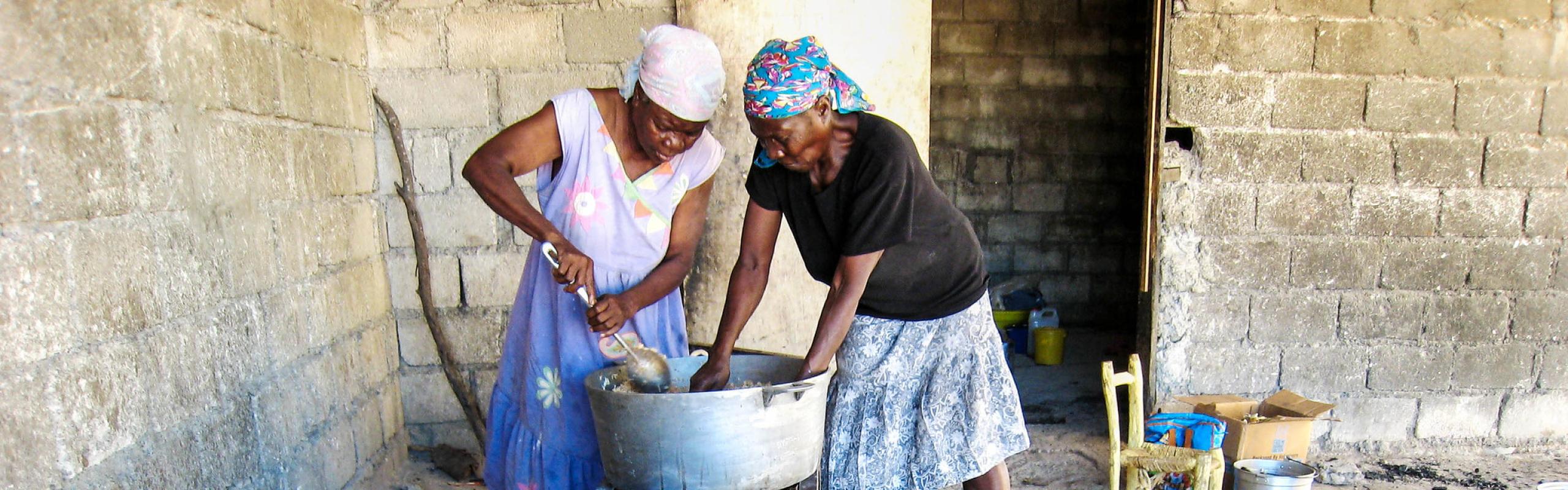
A new alert from IPC reports that over 5.83 million Haitians—more than half the country’s population—will experience acute food insecurity (IPC Phase 3 or above) by June 2026. That includes almost 1.9 million people in emergency levels of food insecurity.
While these numbers show evidence of slight improvement from IPC estimates published in September 2025, the latest alert emphasizes that these improvements are highly localized. They are neither broad enough nor substantial enough to reverse Haiti’s overall trend toward acute food insecurity.
As in many other places around the world, a combination of conflict, climate change impacts, and economic shocks are behind the continuing high levels of food insecurity.
Widespread armed conflict centered around the capital of Port-au Prince has disrupted livelihoods throughout the country and limited households’ economic opportunities and ability to access food and other essential goods. Globally, the impacts of continuing conflict in the Middle East and the blockade of the Strait of Hormuz are also impacting food, fuel, and transport costs at the national level in Haiti.
In October 2025, Hurricane Melissa caused substantial rains, flooding, and landslides throughout several areas of the country. These extreme weather conditions further deteriorated livelihoods and access to essential goods and services for vulnerable households. All of these factors have exacerbated the country’s economic conditions, which have been weakening over the past several years due to consistent increases in inflation and the reduction of household purchasing power.
The IPC alert calls for scaling up urgent humanitarian assistance in the most hard hit areas to smooth gaps in food consumption. Policies should also focus on restoring livelihoods and productive assets through providing agricultural inputs, credit, and cash-based interventions. In the longer term, policymakers should focus on linking emergency response measures with agricultural and economic development and peace-making efforts.
Sara Gustafson is a freelance writer.