




- FAO Food Price Index
- AMIS Market Monitor
- Trade
- Fertilizer
- Input Markets
- Soybean
- Hard Wheat
- Soft Wheat
- Maize
Related blog posts
The FAO Food Price Index remained generally stable in June, with rising vegetable oil prices balanced out in large part by declines in cereal prices. The Index was 1.7 percent higher than in June 2025 but still nearly 20 percent below its March 2022 record.
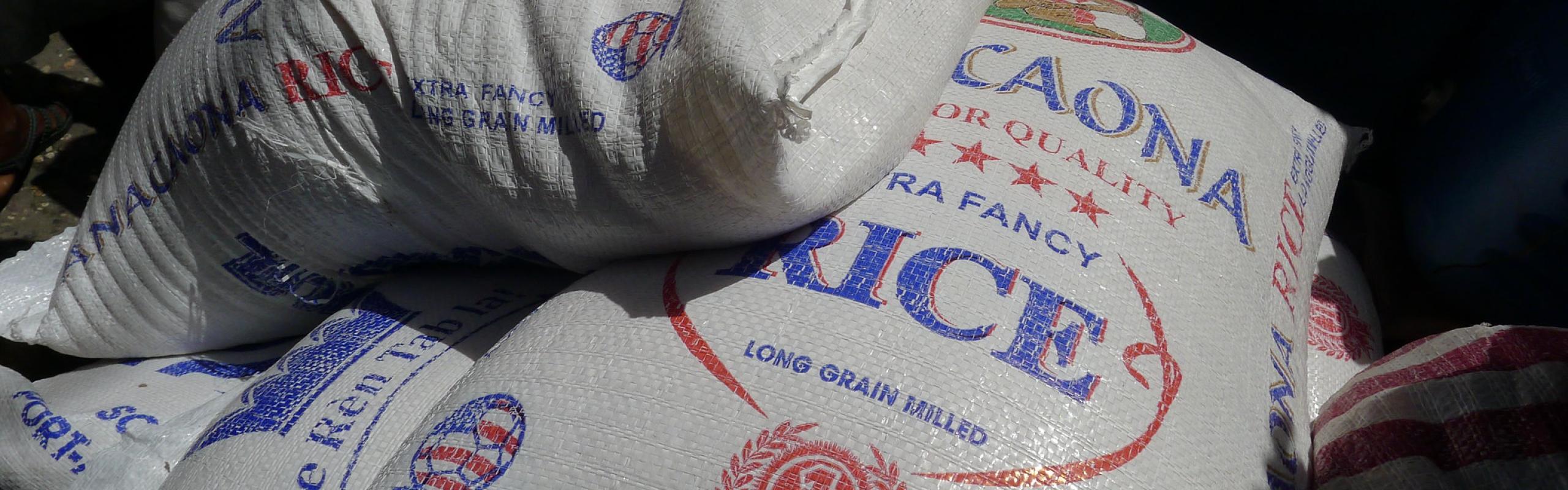
The Cereal Price Index fell by 3.5 percent in June but remained nearly 3 percent above its June 2026 level. Wheat prices fell by 4.4 percent based on strong harvest prospects in the Black Sea and declining energy prices; however, the decline was tempered by dry weather, high fertilizer prices, and subsequent production concerns in Australia and the United States. Maize prices fell by 6.2 percent due to strong export supplies and falling biofuel demand. Rice prices rose slightly in June due to strengthening demand and concerns over weather conditions and production costs.
The Vegetable Oil Price Index rose 7 percent in June to reach 23.3 percent above its June 2025 level. Palm oil prices rose based on reduced export supplies. Soy oil prices, on the other hand, fell slightly based on falling crude oil prices and increased supplies from South America.
The Meat Price Index rose slightly, while the Dairy and Sugar Price Indices fell by 1.5 and 5.7 percent, respectively.
The latest AMIS Market Monitor also reports generally steady prices and production conditions across major commodities. However, fertilizer prices remain high in many areas of the world, with potential consequences for planting decisions, and continuing tensions in the Strait of Hormuz could have longer term effects on agricultural production, trade and food security. Similarly, El Niño-induced extreme weather conditions could pose challenges for harvests later in the year.
Wheat production prospects fell slightly in June due to dry weather impacting production in Australia. Utilization forecasts also fell in June but are still expected to increase from 2025-2026 levels. Wheat trade expectations stayed stable in June, while global wheat ending stocks are still expected to rise from opening levels.
Maize production forecasts for 2026 rose slightly in June, but production is still expected to be below its 2025 record level. Maize utilization fell slightly in June, while trade remained generally steady. Maize trade is still forecast to reach a record high. Global maize ending stocks are expected to remain unchanged from their opening level.
Rice production prospects stayed stable in June, while utilization is forecast to reach a record high based on increasing food demand. Rice trade forecasts also remained stable in June, with a reduction in trade expected in 2026. Global rice ending stocks fore slightly in June but are still expected to be below their opening levels.
Soybean production forecasts stayed unchanged in June, while utilization forecasts fell slightly. Soybean trade forecasts rose slightly due to higher expected imports from Egypt and exports from Brazil. Global soybean ending stocks are expected to be near their record opening levels.
Increased fertilizer flows through the Strait of Hormuz in recent weeks has helped ease fertilizer markets. Nitrogen prices fell in June based on increased supplies flowing through the Strait. Phosphate and potash prices remained generally stable. Natural gas prices remained stable in the United States and fell slightly in Europe. AMIS cautions that ongoing tensions in Iran and the Strait of Hormuz will continue to impact fertilizer markets and agricultural production prospects.
Sara Gustafson is a freelance writer.