




The FAO Food Price Index rose in February for the first time in five months, driven by increasing cereal, meat, and vegetable oil prices. Despite the increase, however, the Index remains nearly 35 percent below the record high reached in March 2022.
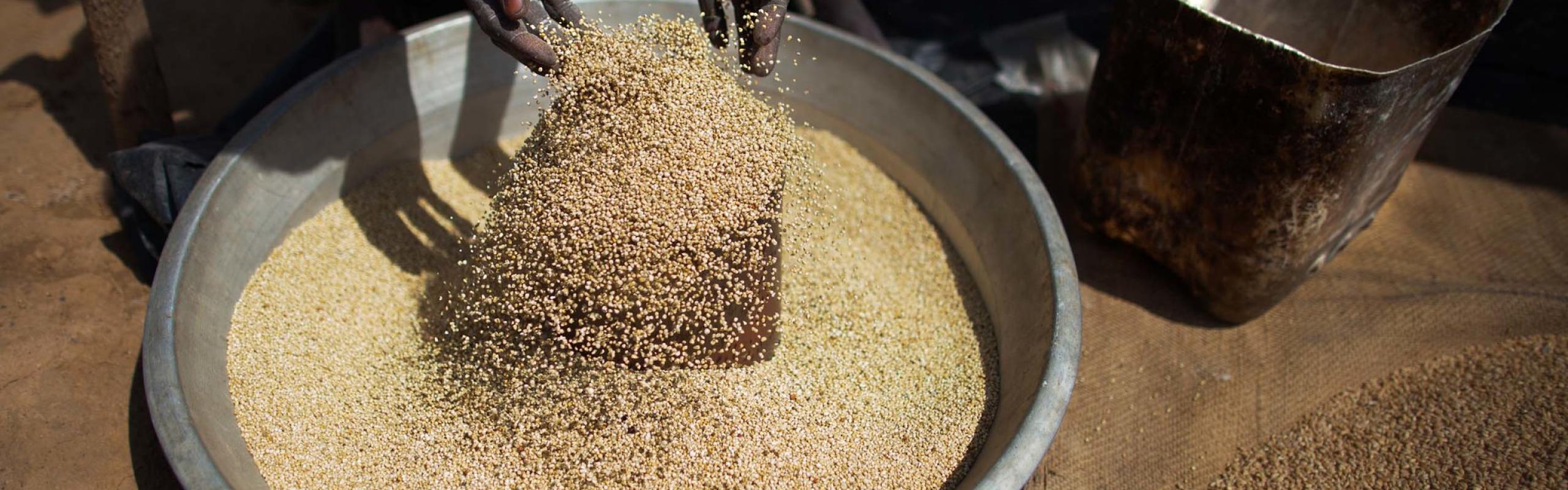
The Cereal Price Index rose slightly more than 1 percent in February but remained 3.5 percent below its February 2025 level. Wheat prices increased due to concerns about cold weather in Europe and the United States, as well as transportation disruptions in Russia and the Black Sea region. Maize prices remained generally steady in February, while rice prices increased marginally due to steady high demand.
The Vegetable Oil Price Index rose 3.3 percent in February to reach the highest level seen since June 2022. Palm oil prices increased due to strong global demand and seasonally low production in Southeast Asia. The anticipation of new supportive biofuel policies in the United States, with subsequent rises in demand for fuel use, has driven up soy oil prices.
The Meat Price Index rose marginally in February, while the Dairy and Sugar Price Indices declined by 1.2 and 4.1 percent, respectively.
The March edition of the AMIS Market Monitor also reports firming cereal and vegetable oil prices, with an anticipated 3 percent decline in wheat production in 2026 as a result of lower planting, weather concerns, and lower yields than in recent years.
Forecasted wheat production totals for 2025 rose slightly in February, while utilization forecasts remained generally stable. Food use is expected to decline, but increased use for feed is anticipated to balance those reductions. Wheat trade forecasts also remained stable, with reduced exports from Ukraine expected to be balanced by increased exports from Canada. Global wheat ending stock forecasts rose in February.
Maize production forecasts for 2025 increased in February based on higher estimates from several countries. Maize utilization expectations rose due to increased feed in Argentina and industrial use in other countries. Trade expectations and anticipated global maize ending stocks also both rose in February.
Rice production forecasts for 2025-2026 increased in February, while utilization is expected to increase by 2.7 percent from the previous season based on large global supplies. Trade forecasts remained stable in February, with overall trade expected to decline by 1.1 percent from the previous season. Global rice ending stock expectations increased due to higher forecast inventories in several countries.
Soybean production forecasts remained stable in February, as did overall utilization forecasts. Trade forecasts increased in February due to higher expected exports from Brazil; however, overall trade for the year is expected to remain stable from the previous season. Soybean ending stock expectations fell slightly, but global inventories are still expected to reach record highs.
AMIS reports increased fertilizer prices in February, driven by seasonally higher buying activity and limited availability in some regions. Uncertain trade policies and growing geopolitical tensions are adding further risk to the fertilizer market; these factors will require close monitoring in the coming months.
Natural gas price trends were mixed in February. Prices fell in North America from January due to high production in the U.S. and falling demand for heating oil; European natural gas prices, on the other hand, rose due to concerns over the impacts of U.S.-Iran tensions. Disruptions in ammonia supplies due to the conflict reduced availability in some regions, while slowing demand from India reduced prices in other areas. Nitrogen fertilizer prices rose due to increasing demand combined with China’s continued export restrictions. China’s export policies also drove phosphate prices up, while potash prices rose based on strong demand.
Sara Gustafson is a freelance writer.