




The AMIS Market Monitor provides a synopsis of major developments in international commodity markets, focusing on wheat, maize, rice and soybeans. The analysis is a collective assessment of the member organizations of AMIS concerning the international market situation and outlook.
Agricultural Market Information System (AMIS) Market Monitor March 2023

Food, fertilizer prices fall, but concerns over inflation remain
Food prices fell by 0.8 percent in January, according to the FAO Food Price Index. This latest decline brings the Index to the lowest point seen since its peak in March 2022.
Agricultural Market Information System (AMIS) Market Monitor February 2023
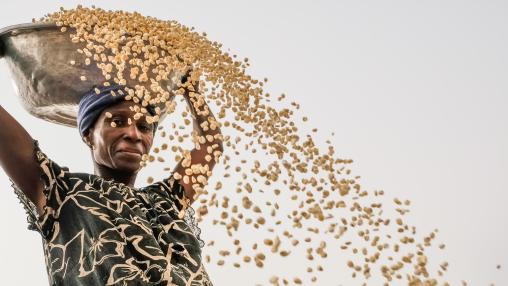
FAO Food Price Index Released
The FAO Food Price Index held steady in November and was only 0.3 percent above its November 2021 level. Rising vegetable oil prices were checked by declines in cereal prices.
Agricultural Market Information System (AMIS) Market Monitor December 2022
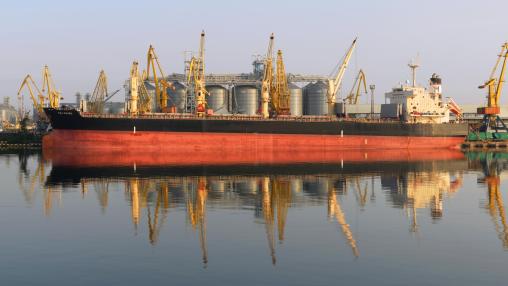
Concerns over Black Sea Grain Initiative and the Impact on Food Prices: FAO Food Price Index and AMIS Market Monitor Released
The October FAO Food Price Index remained largely unchanged from September, with rising cereal prices balanced by declines in the other commodity groups. The overall Food Price Index has fallen by almost 15 percent from March 2022 but remains 2 percent above its October 2021 levels.
Agricultural Market Information System (AMIS) Market Monitor November 2022
AMIS webinar: Is Speculation Driving Commodity Price Volatility?
Since the outbreak of the Ukraine war, agricultural futures market prices have been highly volatile, with levels not seen since the food price spikes in 2007/08 and 2010/11. Some believe that market speculators and managed money funds are to blame, by distorting market prices and thus hampering means by which producers, merchants and other hedgers can effectively manage price risks. In this seminar we will examine the role of speculation in markets and discuss the impact of speculation in previous periods of high food prices, and the role it plays in current markets.