



Chad: Acute Malnutrition Situation October 2025–January 2026 and Projections for February–May 2026 and June–September 2026
During the current period (October 2025–January 2026), eight areas are classified as IPC Acute Malnutrition (AMN) Phase 4 (Critical), while populations are facing IPC AMN Phase 3 (Serious) conditions in 29 areas. The nutrition situation is expected to improve slightly during the first projection period of February–May 2026 due to a decline in diseases and epidemics, improved food consumption, and receding floods leading to improved water and sanitation conditions.
Coinciding with the peak malnutrition season, the situation will progressively worsen during the second projection period from June–September 2026, with 15 areas projected to deteriorate from Phase 3 to Phase 4, bringing the total number of areas in Phase 4 to 24. This represents more than a third of the units analysed. In addition, six areas will deteriorate from Phase 2 to Phase 3.
Malnutrition in Chad is driven by a number of factors, including inadequate food intake and poor dietary diversity among children, high prevalence of childhood diseases, high levels of acute food insecurity and poor water, hygiene and sanitation conditions, as well as shocks such as flooding and insecurity.
Chad: Acute Malnutrition Situation October - December 2024 and Projections for January - May 2025 and June - September 2025
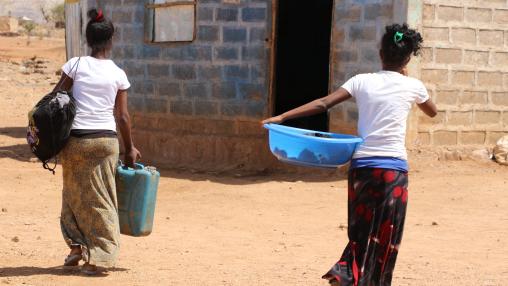
Millions Face Rising Acute Food Insecurity, According to New FAO-WFP Report
Millions of people across 22 countries and territories may be pushed into acute food insecurity by May 2025, according to the latest FAO-WFP Hunger Hotspots Report. Ongoing and increasing conflict in many areas of the world, along with economic hardships and extreme weather caused by climate change and the La Niña phenomenon, are behind this significant increase in both the magnitude and the severity of acute food insecurity.
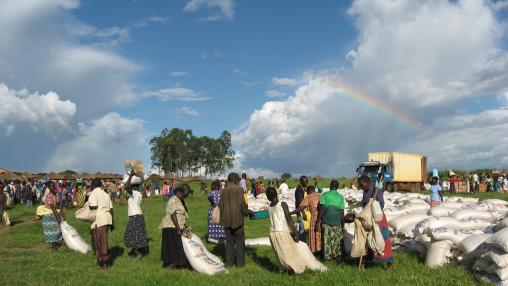
Global Food Assistance Outlook Brief Released
FEWS Net has released the latest Global Food Assistance Outlook Brief , covering projected food needs for November 2016. The report covers forward-looking analysis of projected emergency food needs in covered countries, based on the size of each country's acutely food insecure population and projected length of the lean season.
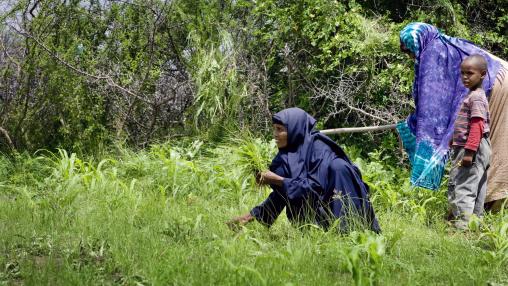
FEWS NET Releases Food Security Alert for West Africa
FEWS NET has released a food security alert for West Africa to establish a context for regional agricultural production and food security prospects for the 2011/12 consumption year. The report's key messages include:
In the most likely scenario, crop production in the region will be less than last year’s bumper harvest (59 million tons) but near the 2005/06-2009/10 average (~50 million tons).