
COVID-19 & Global Food Security: 2 Years Later
This e-book builds upon the lessons presented in the earlier volume, COVID-19 & Global Food Security (2020) that documented the impacts of the COVID-19 pandemic as of mid-2020, particularly the disruptions to livelihoods and the food and nutrition security of billions of people. Early in the pandemic, many hoped that COVID-19 could be controlled and even eliminated through a short-term response phase and that attention could subsequently be shifted to recovery and resilience building.

G20 Matera Declaration calls for investing more and better in food systems to achieve Zero Hunger
This post originally appeared on IFPRI.org, by Swati Malhotra and Rob Vos.
The world is not on track to end hunger: 2021 SOFI report released
Our window of opportunity for achieving SDG 2 — eradicating hunger and malnutrition and ensuring access to safe, nutritious, and sufficient food for all by 2030 — is closing rapidly. However, far from moving closer to that goal, the world has seen a resurgence of hunger and food insecurity.
UNFSS Science Days Side Event: Reforming Agricultural Policies to Support Food Systems Transformation
Agriculture receives around US$600 billion per year worldwide in government support, giving rise to questions about how such support could be restructured to meet important goals of food systems transformation, such as emission reduction and climate resilience, improved food and nutritional security, enhanced poverty reduction and equity.
UNFSS Science Days Side Event: COVID-19, food systems, and One Health in an urbanizing world: Research responses at a national level
COVID-19’s relentless march across the globe and subsequent lockdowns and restrictions have affected the lives of women and men everywhere, far beyond health impacts alone. Fragilities in food systems, market access, trade, rural-urban mobility, agricultural labor, food security, diet diversity, inequities between genders, and the critical connections between human, animal, and environmental health were exposed, particularly in and around the rapidly-growing cities in low- and middle-income countries.
Global Report on Food Crises 2021: Building resilience to prevent food crises and conflict
Acute food insecurity continued to rise in 2020, driven by the pandemic shock, ongoing conflicts, and extreme weather. The number of people needing urgent food and livelihood assistance hit a five-year high. The 2021 Global Report on Food Crises (published by the Food Security Information Network for the Global Network Against Food Crises) finds that at least 155 million people experienced acute food insecurity at crisis level or worse — up about 20 million from 2019.
Transforming Food Systems after COVID-19: Implications of the 2021 Global Food Policy Report for Eurasia
IFPRI's 2021 Global Food Policy Report focuses on Transforming Food Systems after COVID-19 and examines how we can apply lessons from the pandemic to help us improve the resilience, sustainability, inclusivity, and quality of food systems at global, regional, and national levels.
Transforming Food Systems After COVID-19: European Commission Discussion of IFPRI’s 2021 Global Food Policy Report
COVID-19 has upended local, national, and global food systems, and put the Sustainable Development Goals further out of reach. But lessons and momentum from the world’s response to the pandemic can contribute to food system change.
GLOBAL LAUNCH EVENT - 2021 Global Food Policy Report: Transforming Food Systems After COVID-19
COVID-19 has upended local, national, and global food systems, and put the Sustainable Development Goals further out of reach. But lessons and momentum from the world’s response to the pandemic can contribute to food system change. In the 2021 Global Food Policy Report, IFPRI researchers and experts explore the impacts of the pandemic and government policy responses to date, particularly for the poor and disadvantaged, and consider what it all means for transforming our food systems to be healthy, resilient, efficient, sustainable, and inclusive.
Facing El Niño: Policy Options For Improved Resilience
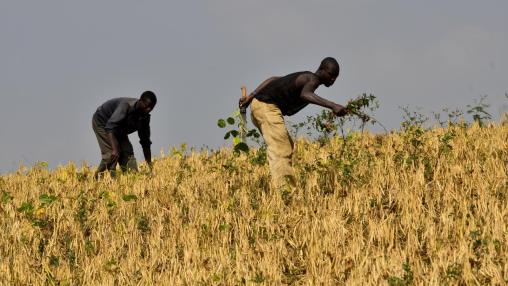
The current El Niño cycle is being called the one of the strongest on record, and it is already having serious impacts on local food production in many developing countries around the world. Production shortfalls, and subsequent food price hikes, will be particularly harmful for the world’s poorest consumers, who research shows spend 50-70 percent of their incomes on food. A new IFPRI brief examines some of these impacts and discusses policy options to improve countries’ resilience and food security in the face of weather- and climate-related shocks.