
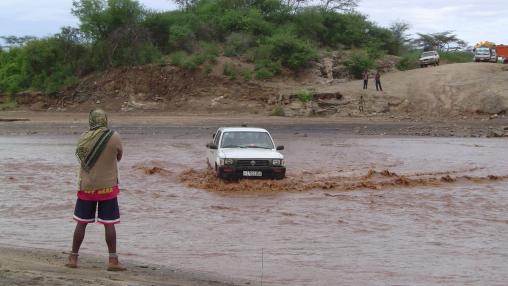
How Much Is Lost When Disaster Strikes? New FAO Report Looks at Impact on Agricultural Production, Food Security
Nearly US$ 4 trillion: That is the amount of global crop and livestock production the FAO estimates has been lost over the past three decades due to disaster events. According to the new report, “The impact of disasters on agriculture and food security,” this equates to an average loss of US$123 billion per year and as much as 5 percent of annual global agricultural GDP.
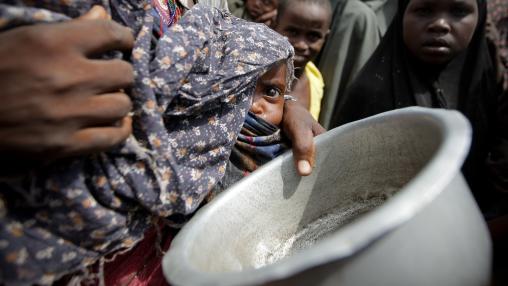
Increasing Resilience to Prevent Food Crisis: 2023 Global Food Policy Report Released
Over the past decade, the world’s food systems have faced multiple significant shocks, from the COVID-19 pandemic and the impacts of the Russia-Ukraine conflict to numerous climate change-driven natural disasters and instances of civil unrest and political instability. These challenges have disrupted markets, driven up food and fertilizer prices and price volatility, reduced food availability and accessibility, and pushed millions of people into hunger.
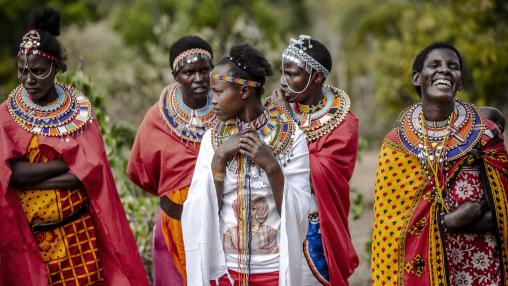
Communicating risks and meaningfully engaging communities to prevent the spread of the COVID-19
Vulnerable populations need reliable information regarding how to protect themselves from the spread of the COVID-19. In this way, information becomes a form of assistance in itself, giving people the opportunity to make better choices and protect themselves and their loved ones. However, successful communication campaigns need to be designed in a thoughtful way. What is the socio-economic context? What are the main community, and potentially conflict, dynamics? What or who is driving social behavior?
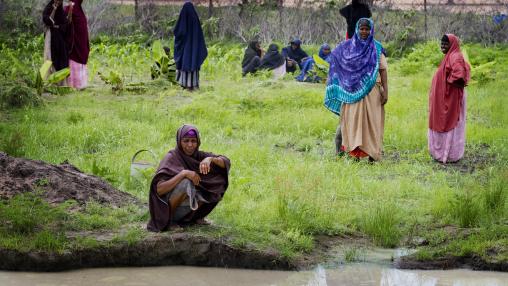
Mutually reinforcing factors led to soaring food insecurity in 2020: 2021 Global Report on Food Crises Released
The number of people around the world facing severe food insecurity skyrocketed by 20 million in 2020, according to the 2021 Global Report on Food Crises, released today. Acute food insecurity now affects at least 155 million people across 55 countries/territories, with some regions facing famine-level hunger. In light of these soaring numbers, the UN Sustainable Development Goal (SDG) of zero hunger by 2030 seems to have gotten further from reach.
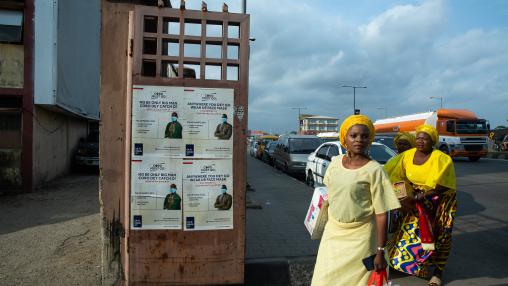
How should we measure food security during crises? The case of Nigeria
High-frequency monitoring of access to food has become especially important during the recent COVID-19 pandemic. Food access in Nigeria, and across the globe, has significantly worsened since the start of the pandemic due to significant disruptions to food supply chains and widespread loss of income. Poor access to food can have both short- and long-term impacts on health and wellbeing and is thus an important targeting criteria.
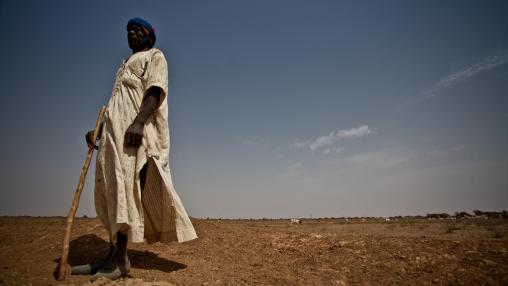
Pool Rules: Working Together to Protect Livelihoods
When a natural disaster strikes, it takes its toll in lives, homes, and entire cities. What’s more, the costs of reconstruction are not strictly financial—it can also drain other resources geared toward long-term development outcomes such as capacity building, and food and nutrition security. Despite the outpouring of financial aid that often follows major catastrophes, the slow and unreliable funneling of those funds does little to help those directly affected and, in fact, hurts long-term development by redirecting resources from effective programs.
Risk Coping Tools
For the world's poorest populations, risk is evident in everyday life. From negative weather events such as drought and flood to fluctuations in international financial markets, risk can take many forms and requires innovative global strategies to mitigate.
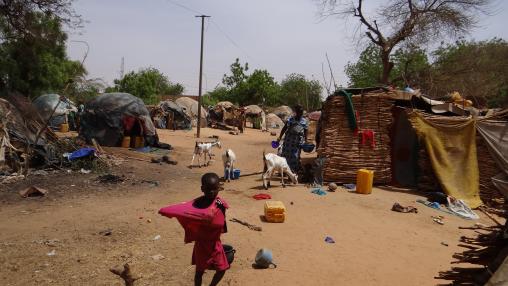
Risk Management
Risk characterizes everyday life for many of the world’s poorest households. These households are more likely to be located in environments where livelihoods are highly susceptible to weather and price variability and where health risks are pervasive. Reducing the risks faced by poor households, and enabling poor households to better deal with adverse events when they do occur, is essential to improving their welfare in the short run and their opportunities for income growth in the long run.