
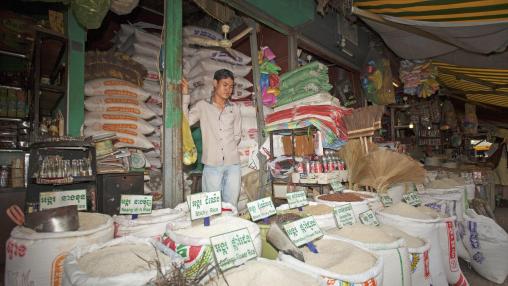
Latest FAO Food Price Trend Report Released
The FAO’s monthly report on food price trends was released on July 11. The bulletin reports on recent food price developments at the global, regional, and country levels, with a focus on developing countries and provides early warnings for high country-level food prices that may negatively affect food security.

Africa Climate Business Plan Focuses on Increasing Resilience
The World Bank recently released the Africa Climate Business Plan , which aims to raise awareness of and accelerate resource mobilization for prioritized climate adaptation and low-carbon initiatives in Africa. Climate-related factors are involved in most of the shocks that keep or push African households into poverty; these include natural disasters, health shocks, crop losses and food price shocks.
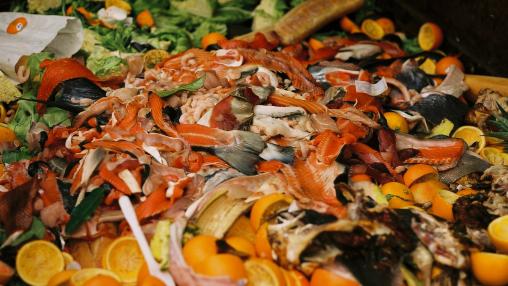
Food Loss and Waste Accounting and Reporting Standard
An estimated one-third of all food produced globally is lost or wasted, according to the FAO, costing the world an estimated $940 billion per year. Food loss and waste (FLW) also exacerbates food insecurity and malnutrition, depletes natural resources, and generates an estimated 8 percent of global greenhouse gas emissions. Reducing food loss and waste can therefore be a triple win: saving money for farmers, companies, and households, improving food security, and reducing environmental pressures on water, land, and the climate.
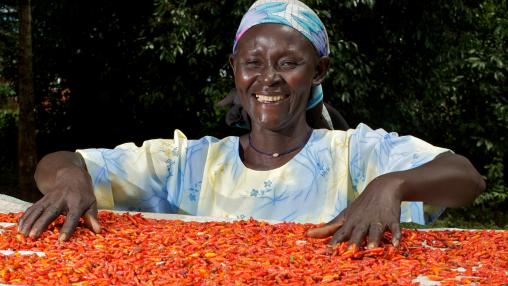
Evaluating Nairobi: Impacts on Trade, Food Security, and Development
In December 2015, the World Trade Organization reached an agreement on the Nairobi Package , the latest set of rules governing global trade. The agreement represents some progress on several major agricultural and food issues that have held up previous negotiations, including export subsidies , food aid, public stockholding for food security purposes, special safeguard measures for Least Developed Countries (LDCs), and the global cotton trade.
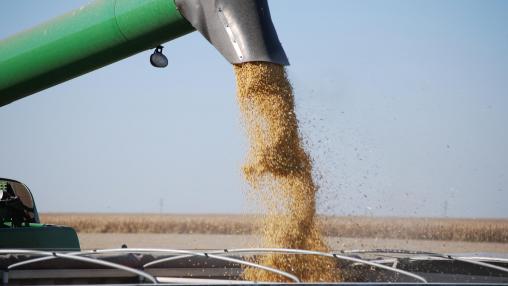
Significant Volatility in Soybeans But Supply and Stocks Still Good
Soybean futures prices have seen a lot of movement in recent weeks, beginning in April when they twice saw record daily trading in combined futures and options volume on the Chicago market. Our early warning excessive food price volatility system has immediately reflected this trend, identifying extreme positive returns, i.e. returns that exceeds the 95% conditional quantile predicted by our NEXQ model . The days in which we observe excessive volatility are identified in the graph below.
Soybean Excessive Food Price Variability
Climate, Water, and the Economy
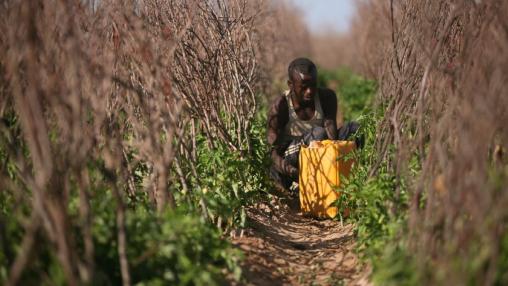
The effects of climate change vary from region to region, but according to a new study from the World Bank, the majority of the global impact stemming from climate change will come through the water cycle. High and Dry: Climate Change, Water, and the Economy examines how scarce and variable water supplies will interact with growing global populations, rising incomes, and expanding urban areas and how smart policies and investments can reduce or eliminate the negative consequences.
The Business of Agriculture: Best Practices for Sustainable Growth
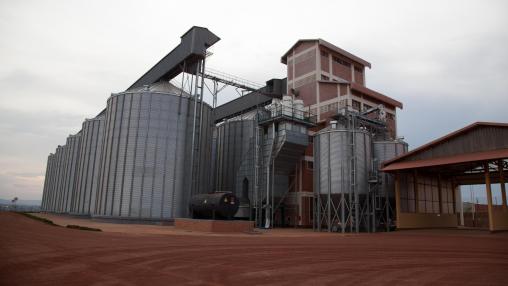
On May 12, the USAID Agrilinks program held a webinar on a new report released by the World Bank, entitled Enabling the Business of Agriculture 2016: Comparing Regulatory Good Practices . The event examined the report’s key findings and discussed the objectives and future path of the Enabling the Business of Agriculture (EBA) project .
Growing Food for Growing Cities
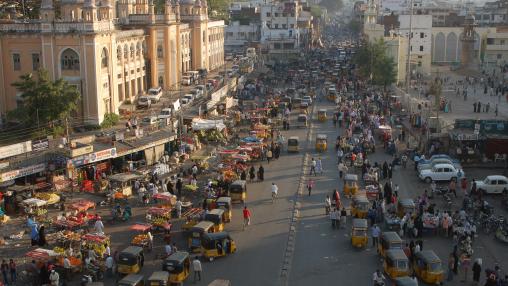
The world’s urban population is growing rapidly. According to a new publication from The Chicago Council on Global Affairs , more people live in urban areas than rural areas today, and by 2060, 66 percent of the world’s population will live in cities. This growth is particularly obvious in developing regions. Africa’s urban population is projected to grow from its current 40 percent to 56 percent by 2050; Asia’s urban population will grow from 48 to 64 percent during the same period, while Latin America’s will rise from 80 to 90 percent.
Increasing Global Food Safety Requires Coordinated Value Chain Approach
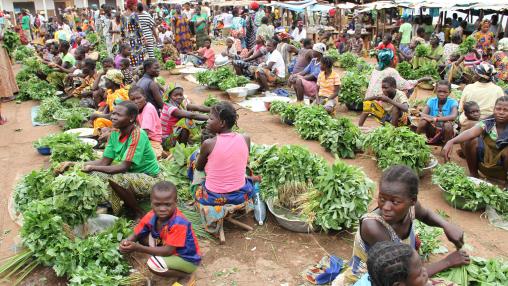
As the global food system becomes more integrated, urban populations grow, and incomes continue to rise around the world, the issue of food safety is drawing greater and greater attention, according to a new brief from the Global Panel on Agriculture and Food Systems for Nutrition.
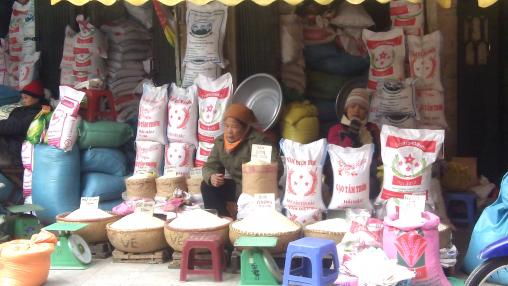
New Book Unravels Causes, Consequences, and Implications of Food Price Volatility
Food price volatility and extreme price shocks have serious implications for politics, agriculture, climate, and food and nutrition security, according to a new book published by the Center for Development Research (ZEF) and the International Food Policy Research Institute (IFPRI) , with support from the CGIAR Research Program on Policies, Institutions, and Markets (PIM) .