





Special Issue: Gender, Climate Change and Agriculture
The agricultural sector employs 60 percent of women in Oceania, Southern Asia, and Africa south of the Sahara and 80 percent of women in Least Developed Countries. Despite women’s large role in agriculture, however, there remains a global gender gap in access to resources and agricultural productivity. As a result of this gender gap, male and female farmers in developing countries have different abilities to adapt to climate change, climate variability, and weather-related shocks.

Japanese Investments in African Agriculture
Africa’s population is expected to continue to grow rapidly, reaching 2 billion by 2050. In order to combat the region’s already high levels of malnutrition and meet future food demand, Africa’s agricultural production and productivity (which is low by global standards and further threatened by climate change) will need to grow significantly. In addition to these challenges, Africa is also experiencing an economic slowdown, partly caused by a decrease in global prices for African export commodities. This is hampering efforts to meet food security and poverty reduction targets.

Global Economic Slowdown Could Leave 38 Million More in Extreme Poverty by 2030
An abridged version of this post appears on the IFPRI.org blog .
Over the past 25 years, many developing countries have experienced rapid economic growth, which has contributed to a dramatic drop, from 37 percent to 10 percent, in the worldwide extreme poverty headcount. But that growth is now slowing, and that means trouble for the international community’s first Sustainable Development Goal (SDG) of ending poverty in all its forms by 2030.
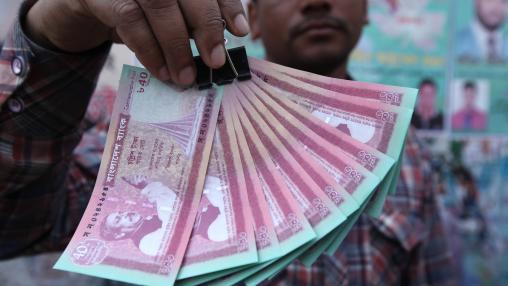
The Financial System We Need: Aligning the Financial System with Sustainable Development
Farmers’ ability to access reliable and inclusive systems of finance is critical for agricultural growth and economic development. Proper financing enables farmers to make long-term productive investments and to overcome short-term crises. In 2008, the world experienced the worst global financial crisis in decades (information on the relationship between food prices and financial activity, as well as agriculture and financial policies can be found in these recent blog posts from IFPRI and the Food Security Portal ).
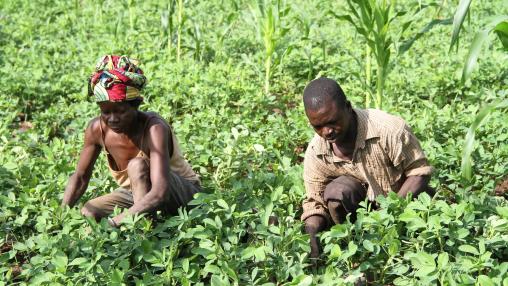
Gender, Assets, and Agricultural Development: Lessons from Eight Projects
Ownership and control of assets have become increasingly recognized for their role in reducing poverty and improving individuals’ and households’ long-term well-being. In addition, research has shown that women’s ownership and control of assets can have important development outcomes both for women themselves and for their families.
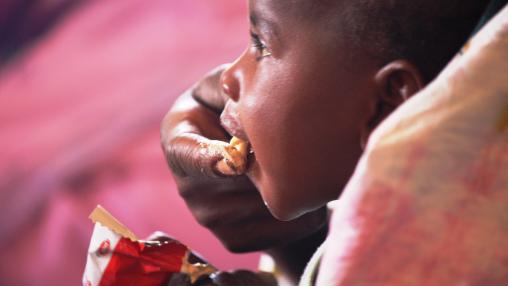
The Cost of Malnutrition: Why Policy Action is Urgent
The FAO estimates that malnutrition costs the global economy up to US$3.5 trillion or US$500 per person annually. To address this waste of economic potential, countries need to find ways to promote productive, sustainable food systems that support diverse, nutritious, and safe foods for all their citizens.
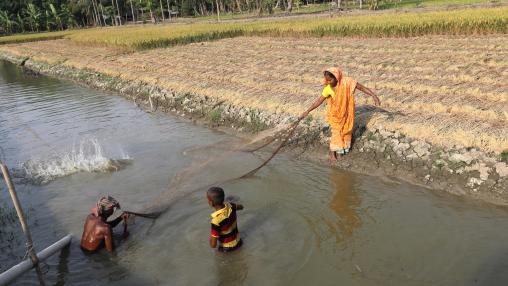
More Work Needed to Achieve SDGs, Says World Development Indicator Report
The indicators of development in the world have consistently improved over the past 25 years; globally, the proportion of people living in extreme poverty has decreased from 37.1 percent in 1990 to 12.7 percent in 2012. Despite this, multiple indicators remain alarmingly high, for instance, the percentage of child malnutrition/stunting currently stands at 23.8 percent.
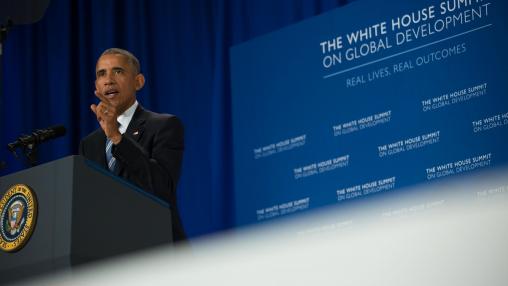
Global Development, Food Security Take Center Stage at White House Event
Since 2010, USAID’s Feed the Future program has aimed to reduce hunger and poverty by improving developing countries’ agricultural sectors. In July of this year, the program received renewed long-term support under the US’s new Global Food Security Act . The Act is designed to promote food security, resilience, and improved nutrition through investments in smallholder agriculture in developing countries. It also codified Feed the Future, making it a permanent program.
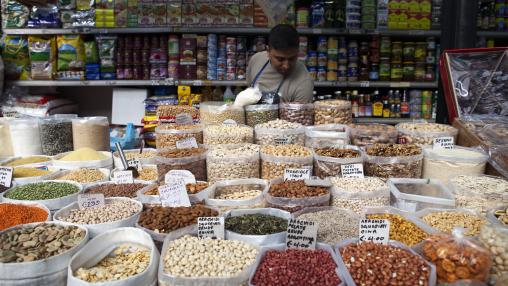
Pulses' Growing Importance in Global Trade and Diets
Pulses are an essential source of protein and minerals for much of the global population, to reflect this the UN has named 2016 as the ‘’International Year of Pulses.’ However, despite increasing demand, global pulse productivity remains low at around a quarter of global cereal yields per hectare, according to IFPRI.
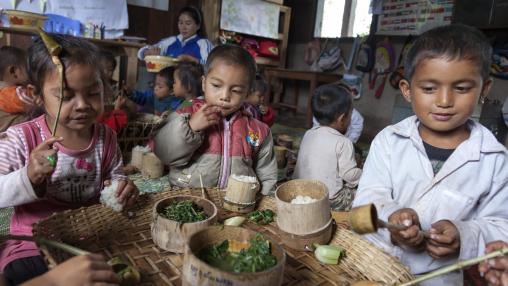
Long-Term Drivers of Food and Nutrition Security
The 2015 Global Hunger Index reports that despite progress in reducing hunger worldwide, hunger levels in 52 of 117 countries remain “serious” or “alarming.” The FAO’s 2015 State of Food Insecurity report estimates that 795 million people are undernourished, with uneven levels of undernourishment across countries. Simultaneously, the World Health Organization estimates that 1.9 billion adults are overweight.