
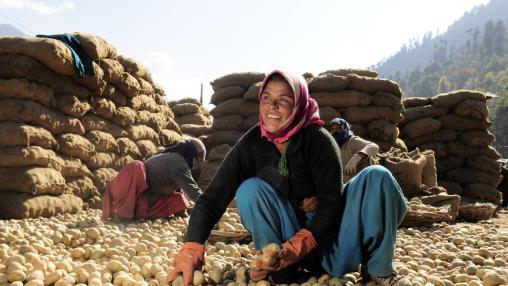
New E-Learning Course Launched on FSP E-Learning Platform
While women contribute significantly to global agricultural production, they often lack access to credit and finance, training and extension services, resources, and land rights, putting them at higher risk of malnutrition, food insecurity, and poverty. Increasing women’s empowerment in agriculture is a critical step in ensuring gender equity and reducing hunger for all.
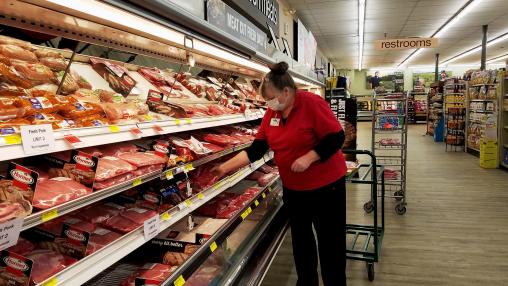
Measuring the True Cost of Food
Think20 (T20) is a G20 engagement group that connects and collaborates with think tanks around the world to provide ideas and recommendations to G20 leaders. This blog pulls from one of the briefs published by the T20 task force on Sustainable Energy, Food, and Water Systems, one of ten T20 task forces for this year’s Saudi Arabia G20 Presidency. Second in a series.
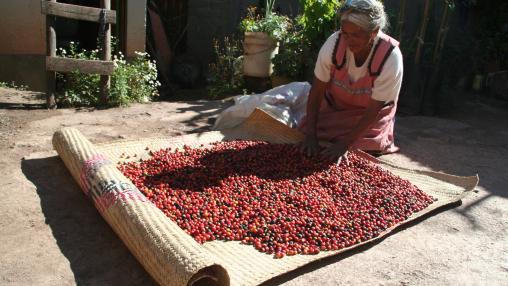
Food market stability: A necessary step for global social and environmental sustainability
Think20 (T20) is a G20 engagement group that connects and collaborates with think tanks around the world to provide ideas and recommendations to G20 leaders. This post summarizes the first in a series of seven briefs by the T20 task force on Sustainable Energy, Food, and Water Systems, one of ten T20 task forces for this year’s Saudi Arabia G20 Presidency. First in a series.
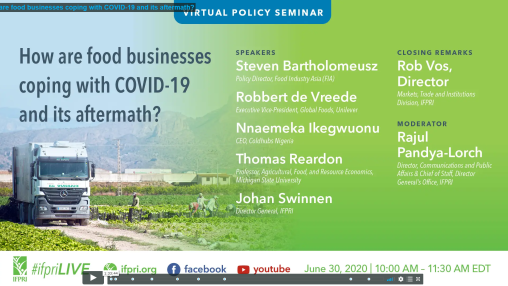
How food businesses are coping with COVID-19: Findings from recent IFPRI policy seminar
The COVID-19 pandemic has significantly impacted the world’s economy, food systems, public health, and nutrition. There is growing concern that this global health crisis could morph into a food crisis, putting hundreds of millions of people at a risk of hunger. A June 30 IFPRI virtual event explored how food businesses are functioning during the pandemic and what might happen in its aftermath.
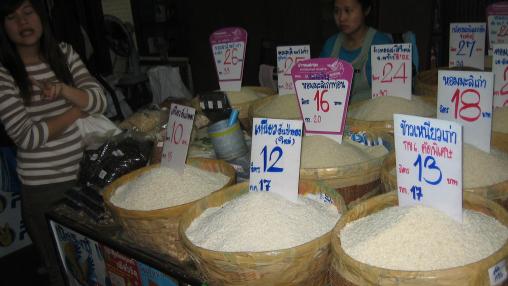
FAO Food Price Index Continues to Rise
The FAO Food Price Index rose slightly in July by 1.2 percent. This increase, while marginal, marks the second consecutive monthly rise in food prices. Rising vegetable oil, dairy, and sugar prices drove the overall higher index.
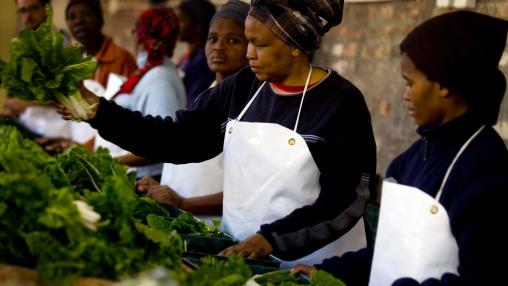
Can the World Reach the SDG Target of Zero Hunger by 2030? New 2020 SOFI Report
The world is not on track to achieve the Sustainable Development Goal of zero hunger by 2030, according to the 2020 State of Food Security and Nutrition in the World (SOFI) report, released in mid-July.
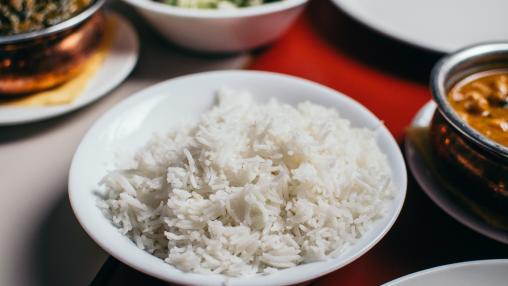
FAO Food Price Index Rebounds in June
The FAO Food Price Index rose in June, making the first such increase in 2020. Higher prices for vegetable oils, sugar, and dairy products drove the 2.4 percent increase.
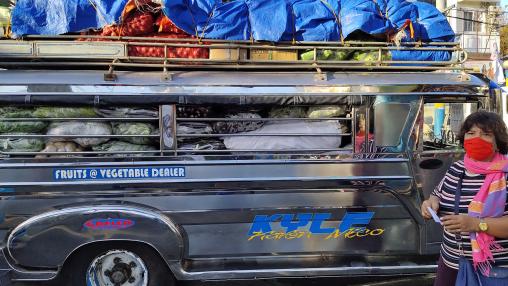
COVID-19 and resilience innovations in food supply chains
Food supply disruptions in developing countries during the COVID-19 pandemic have been varied and often severe, especially in labor-intensive segments of supply chains. Tom Reardon of Michigan State University and IFPRI’s Jo Swinnen summarize early experiences in both international and domestic supply chains across various types of firms and commodities. They review a range of innovations developed to keep supply chains running, many implemented at a surprisingly rapid pace—and make recommendations on to facilitate continued innovation to speed the recovery and ensure better food supplies post-pandemic.—John McDermott, series co-editor and Director, CGIAR Research Program on Agriculture for Nutrition and Health (A4NH).
Improving Social Safety Nets: An Evaluation of India's MGNREGS Program
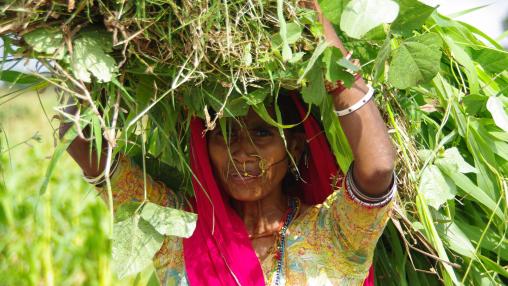
In 2006, the Indian government launched the Mahatma Gandhi National Rural Employment Guarantee Scheme (MGNREGS). This program guarantees rural households both the legal right to employment for up to 100 days per year and a minimum agricultural wage set at the state level. Since its launch in 2006, MGNREGS has become the largest public works project in the world, but questions remain about the program’s true effectiveness. In particular, critics have highlighted the program’s high costs, inefficiencies, and potential for corruption.
Near-Real-Time Monitoring of Food Crisis Risk Factors: Webinar Summary Report Published
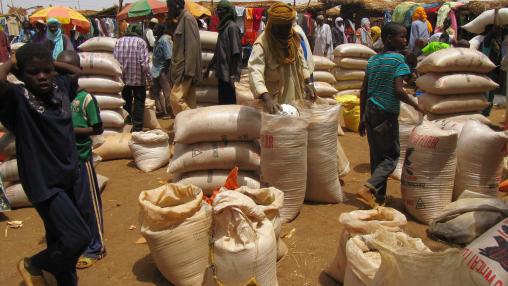
As concerns over COVID-19's potential impacts on food prices and food security continue, accurate and timely data and information are more crucial than ever. On May 8, the Food Security Portal hosted a webinar on near-real-time monitoring of food crisis risk factors like the COVID-19 pandemic, food price volatility, climate-driven shocks, conflict, and economic downturns.