
Sita Kone
As a consultant with the Food Security Portal, Sita Kone conducted research on the best practices to strengthen household resilience to climate shocks (with focus on Burkina Faso ), including soil and water conservation practices and adaptive crop management and agroforestry.
Adaptive Crop Management and Agroforestry: Best Practices to Strengthen Household Resilience to Climate Shocks (Focus on Burkina Faso)
Soil and Water Conservation Practices: Best Practices to Strengthen Household Resilience to Climate Shocks (Focus on Burkina Faso )
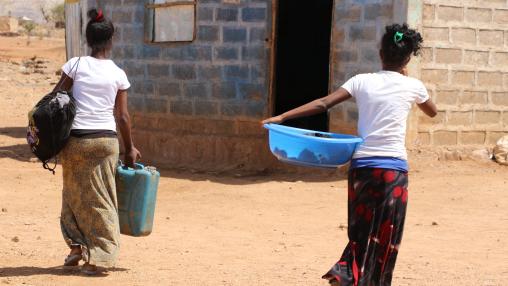
Millions Face Rising Acute Food Insecurity, According to New FAO-WFP Report
Millions of people across 22 countries and territories may be pushed into acute food insecurity by May 2025, according to the latest FAO-WFP Hunger Hotspots Report. Ongoing and increasing conflict in many areas of the world, along with economic hardships and extreme weather caused by climate change and the La Niña phenomenon, are behind this significant increase in both the magnitude and the severity of acute food insecurity.
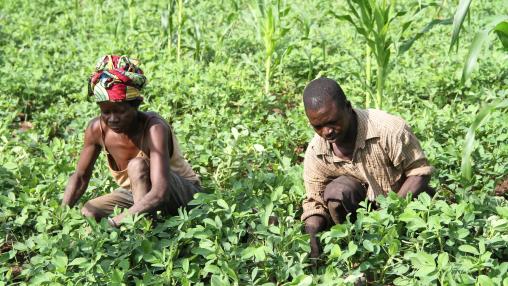
Gender, Assets, and Agricultural Development: Lessons from Eight Projects
Ownership and control of assets have become increasingly recognized for their role in reducing poverty and improving individuals’ and households’ long-term well-being. In addition, research has shown that women’s ownership and control of assets can have important development outcomes both for women themselves and for their families.