
The 2026 Global Report on Food Crises (Mid-year Update)
2026 Global Report on Food Crises launch: high-level ceremony
The Global Report on Food Crises (GRFC), a flagship publication from the Global Network Against Food Crises (GNAFC), is a key instrument for GNAFC’s members and partners to understand the acute food insecurity and malnutrition situation of food crisis contexts. Today, thanks to its rigor and collective expertise, it stands as a trusted global public good, providing essential data to support vulnerable populations facing extreme hunger and malnutrition.This year marks the tenth edition of the GRFC, reflecting a decade of steadfast commitment towards consensus-based evidence.
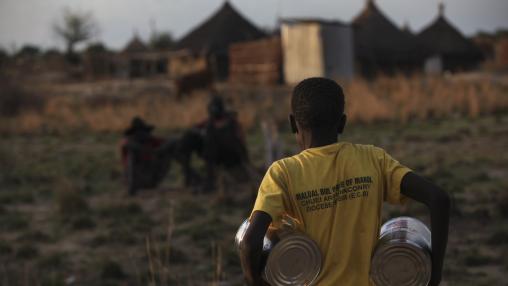
Recurring shocks and persistent structural vulnerabilities are making food crises more protracted: Global Report on Food Crises released today
Over the past 10 years, food and nutrition crises have shifted from one-off emergencies to protracted conditions in many regions around the world, according to the 2026 Global Report on Food Crises (GRFC) released today. Since 2016, the global share of people facing acute food insecurity has nearly doubled. In 2025, 266 million people across 47 countries/territories experienced acute food insecurity; what’s more, 33 of those countries have appeared in every GRFC edition released since the report’s inception in 2016.
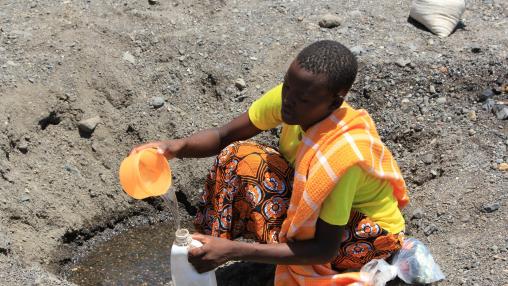
Food and Nutrition Crises Burgeon in Face of Conflict, Funding Cuts: GRFC Mid-Year Update Released
Hunger and food crisis have reached catastrophic levels in multiple places around the world, according to the Global Report on Food Crises Mid-Year Update. Famine has been confirmed in the Gaza Strip and the Sudan, with parts of South Sudan at risk of famine and Yemen, Haiti, and Mali experiencing catastrophic levels of hunger.
In all, 1.4 million people faced IPC Level 5 (Catastrophe) food insecurity and hunger as of August 2025.
The 2026 Global Report on Food Crises
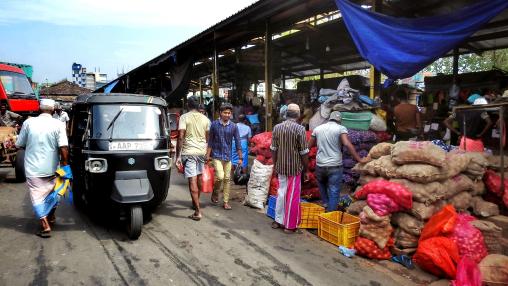
Rising food insecurity, waning humanitarian assistance: 2025 Global Report on Food Crises released
The world faced a stark inflection point in 2024, as the continued rise in the number of people facing crisis-to-catastrophic levels of acute food insecurity meets sharp reductions in funding for humanitarian assistance. The 2025 Global Report on Food Crises (GRFC), released today, reports that 295.3 million people across 53 countries/territories faced acute food insecurity in 2024. This represents a tripling of the number of people facing acute hunger since 2016 and a doubling since 2020 (Figure 1).
Figure 1
The Global Report on Food Crises (GRFC) 2025
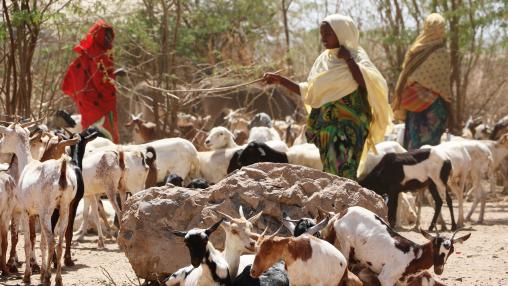
Catastrophe-Level Food Insecurity Highest Ever Recorded: GRFC Mid-Year Update Released
According to the Global Report on Food Crises (GRFC) Mid-Year Update, the number of people facing or expected to face IPC Phase 5 (Catastrophe/Famine) food insecurity more than doubled from 2023 to 2024: from just over 700,000 people to 1.9 million people in four countries/territories. This is the highest number ever recorded by GRFC reporting.
Global Report on Food Crises 2024 Mid-Year Update
It is the result of a collaborative effort among 16 partners, achieving a consensus-based assessment of the current state of acute food insecurity and acute malnutrition.
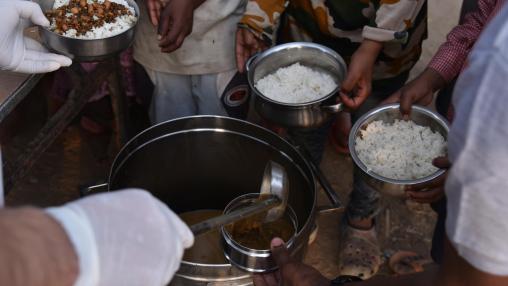
The World Continues to Grapple with Acute Food Insecurity: 2024 Global Report on Food Crises Released
Hunger continues to rise across the globe, with nearly 282 million people facing acute food insecurity in 2023, according to the 2024 Global Report on Food Crises (GRFC). This number is up by 24 million from 2022, marking the fifth consecutive year that food insecurity has risen.