

Double exposure: How El Niño and the Iran crisis could reshape food security
Both El Niño and the ongoing crisis in Iran threaten to disrupt the global food system and affect food prices through impacts on agricultural production, energy and fertilizer markets, and trade. National governments and international partners face pressure to respond to effects on global markets and prices, as well as the more immediate shocks to production and input costs at the country level.
Impact of COVID-19 on National Food Systems
The CGIAR COVID-19 Hub has released updated policy notes regarding the impact of the COVID-19 pandemic on global and regional food systems. This latest series of updates covers several FSP priority countries, including Ethiopia, Nigeria, Malawi, and Bangladesh.
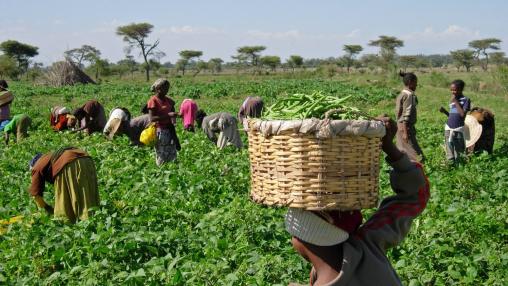
Smallholder and agrifood SME resilience to shocks: Lessons from COVID-19 for the UN Food System Summit
The COVID-19 pandemic has revealed both the vulnerability and the resilience of food supply chains. Supply chains from farm to retail have been disrupted, primarily by government-imposed lockdowns and other restrictions affecting labor supply, input provisioning, logistics, wholesale, retailing, and food service. Supply chains have also shown a good deal of resilience and innovative capacity to adapt to the major supply and demand shocks they encountered.
FEWS NET Ethiopia Food Security Alert - May 2021
IPC Ethiopia Alert - December 2020
IPC Ethiopia Alert - June 2021
Food Price Shocks Tool
The Food Security Portal's Price Shocks Tool provides an interactive way to explore the impact of price changes on poverty. When you set hypothetical price shock(s) using the tool, net impacts of selected price changes are generated per household and the impact on poverty is automatically calculated accordingly.
IPC Ethiopia Alert - September 2020
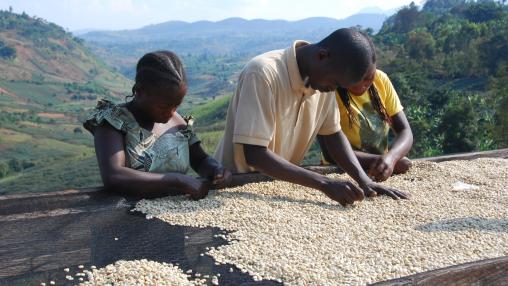
Food Insecurity in East Africa
East Africa facing acute food insecurity as drought continues, alerts FEWS and FAO
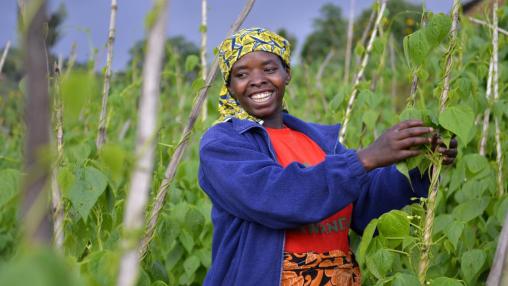
Increasing resilience requires an effective framework for measurement
In the face of price spikes, climate change, and other stressors from the national to the global scale, the promotion of resilience has gained traction in the development community as a means of insuring that populations vulnerable to food and nutrition insecurity are equipped with the tools to survive and even thrive in our unpredictable world.