


SUDAN: New evidence reveals rapidly worsening conditions across Greater Darfur and Kordofan
Sudan: Acute Food Insecurity Situation for February–May 2026 and Projections for June–September 2026 and for October 2026–January 2027
Data was not available for a full nationwide projection analysis. Caution is therefore advised when comparing figures across periods, as geographic coverage differs significantly.
Nearly 19.5 million people—approximately 41 percent of the country’s population—continue to face high levels of acute food insecurity (IPC Phase 3 or above) between February and May 2026. This includes nearly 135,000 people in IPC Phase 5 (Catastrophe), more than 5 million people in IPC Phase 4 (Emergency), and a further 14 million people in IPC Phase 3 (Crisis). Conditions are expected to deteriorate further in the upcoming June–September lean season.
Sudan: Acute Food Insecurity Situation for September 2025 and Projections for October 2025 - January 2026 and for February - May 2026
Uncertainty surrounding the evolution of conflict heightens the risk of Famine, particularly in 20 areas expected to receive displaced populations across North, South, and East Darfur, as well as West and South Kordofan.
In September 2025, at the peak of the lean season, an estimated 21.2 million people—45 percent of the population—faced high levels of acute food insecurity (IPC Phase 3 or above), including 375,000 people in IPC Phase 5 (Catastrophe) and 6.3 million people in IPC Phase 4 (Emergency).
Food security conditions will improve after the harvest, leading to a decline in the number of people in IPC Phase 3 or above to 19.2 million people between October 2025 and January 2026. However, in North Darfur and the Western Nuba Mountains, gains from the harvest will remain limited due to conflict and insecurity. During the post-harvest and pre-lean season (February - May 2026), acute food insecurity is projected to worsen with an estimated 19.1 million people (41%) expected to face IPC Phase 3 or above conditions. This apparent reduction in numbers is primarily due to the inability to classify several high-concern areas.
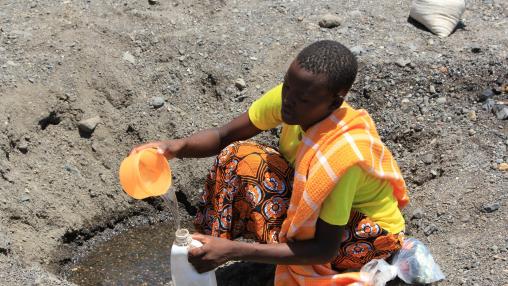
Food and Nutrition Crises Burgeon in Face of Conflict, Funding Cuts: GRFC Mid-Year Update Released
Hunger and food crisis have reached catastrophic levels in multiple places around the world, according to the Global Report on Food Crises Mid-Year Update. Famine has been confirmed in the Gaza Strip and the Sudan, with parts of South Sudan at risk of famine and Yemen, Haiti, and Mali experiencing catastrophic levels of hunger.
In all, 1.4 million people faced IPC Level 5 (Catastrophe) food insecurity and hunger as of August 2025.
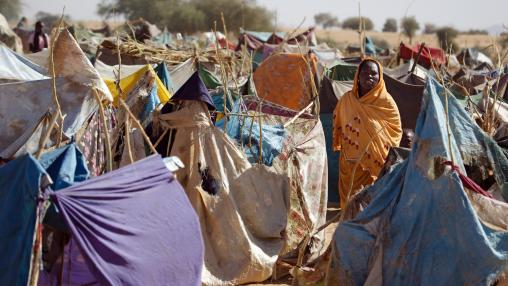
Famine Continues to Spread in Sudan: New IPC Alert Released
As the conflict in Sudan enters its twentieth month, acute food insecurity in the country is spreading rapidly. According to a new alert from the IPC Famine Review Committee, Famine conditions have been identified in five areas of the country, with an additional five areas expected to face Famine between December 2024 and March 2025. As many as 17 additional areas are at risk of Famine, and half the country’s population—24.6 million people—is currently experiencing high levels of acute food insecurity.
Millions Face Rising Acute Food Insecurity, According to New FAO-WFP Report
Millions of people across 22 countries and territories may be pushed into acute food insecurity by May 2025, according to the latest FAO-WFP Hunger Hotspots Report. Ongoing and increasing conflict in many areas of the world, along with economic hardships and extreme weather caused by climate change and the La Niña phenomenon, are behind this significant increase in both the magnitude and the severity of acute food insecurity.
Catastrophe-Level Food Insecurity Highest Ever Recorded: GRFC Mid-Year Update Released
According to the Global Report on Food Crises (GRFC) Mid-Year Update, the number of people facing or expected to face IPC Phase 5 (Catastrophe/Famine) food insecurity more than doubled from 2023 to 2024: from just over 700,000 people to 1.9 million people in four countries/territories. This is the highest number ever recorded by GRFC reporting.
The World Continues to Grapple with Acute Food Insecurity: 2024 Global Report on Food Crises Released
Hunger continues to rise across the globe, with nearly 282 million people facing acute food insecurity in 2023, according to the 2024 Global Report on Food Crises (GRFC). This number is up by 24 million from 2022, marking the fifth consecutive year that food insecurity has risen.

FEWS Net Releases Alert for East Africa
FEWS Net has issued an alert for East Africa, stating that a delayed start to the annual June-September rains is threatening harvests throughout the region. While rainfall has improved in recent weeks, FEWS estimates that normal rainfall would need to not only continue for the remainder of the season but extend past the normal rainy season in order for crops to fully recover. In large areas of Sudan, Ethiopia, and Eritrea, total rainfall has been 20-50 percent lower than average.
Latest FEWS Net Monthly Price Watch Released
The newest edition of the FEWS Net Monthly Price Watch was released last week, citing continuing high international maize and wheat prices. While maize prices saw drastic spikes in June and July 2012 due to drought conditions in the US, they leveled off, although at high levels, later in the year as more information regarding US crop conditions and global supplies became available. Wheat prices, on the other hand, rose steadily between May and November before leveling out in December.