
Adaptive Crop Management and Agroforestry: Best Practices to Strengthen Household Resilience to Climate Shocks (Focus on Burkina Faso)
Soil and Water Conservation Practices: Best Practices to Strengthen Household Resilience to Climate Shocks (Focus on Burkina Faso )
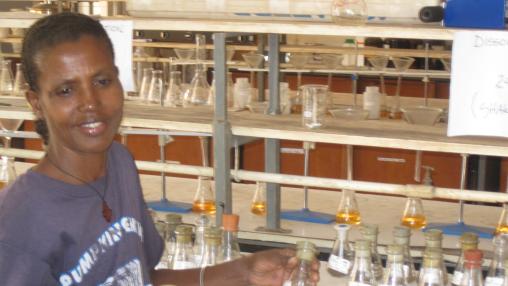
Using Local Knowledge to Enhance Food Systems Resilience
With food crises on the rise, with an estimated 295.3 million people facing high levels of acute food insecurity in 2024. In the face of these stark hunger levels, policymakers, humanitarian organizations, development practitioners, and private sector actors urgently need knowledge about how to effectively enhance the resilience of local and regional food systems.
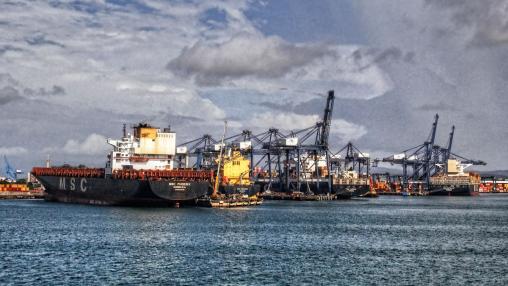
New U.S. tariff policies: What’s at stake for sub-Saharan Africa?
Current U.S. trade policies—though primarily focused on major global players including China, the European Union, and North American partners Canada and Mexico—also have economic consequences for smaller countries and regions around the world. In sub-Saharan Africa (SSA), these impacts will be felt both directly, through newly imposed tariffs, and indirectly, as collateral damage in a potential trade war between the world’s largest economies.
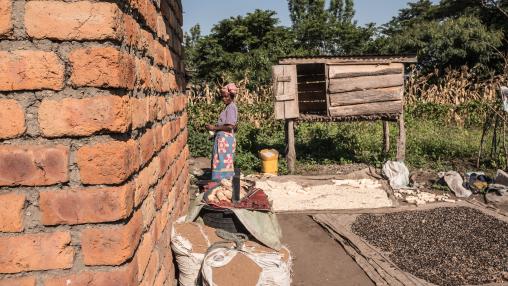
Reducing food loss and waste to address climate change in Africa, Latin America, and South Asia
The problem of food loss and waste (FLW) undermines global food and nutrition security and makes a significant contribution to climate change, primarily through greenhouse gas (GHG) emissions. Reducing or minimizing FLW requires coordinated action to align stakeholders, promote responsible investments, and incentivize sustainable agricultural practices.
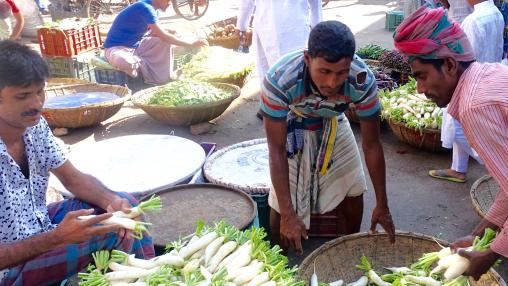
Lessons from Feed the Future country studies on the drivers of agrifood system transformation
IFPRI and its research partners have studied the pace and pattern of agricultural transformation within the U.S. Agency for International Development (USAID) Feed the Future (FTF) countries. A series of 21 case studies were produced that measure each country's agrifood system, analyze changes over the past decade, and identify common patterns across the countries. James Thurlow, Director of IFPRI’s Foresight and Policy Modeling Unit, highlighted four important lessons from the country studies in a recent USAID Agrilinks webinar.
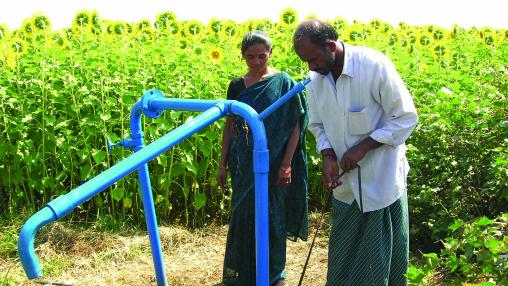
Climate-Smart Agriculture in South Asia and SSA: Unlocking Triple-Win Potential
South Asia and Africa south of the Sahara face significant and burgeoning threats to food security and economic well-being as a result of climate change. These challenges are further complicated by rapid population growth in both regions, leading to both an increased demand for food and increased environmental strains and the potential for unsustainable agricultural practices to boost production. Climate-smart agriculture (CSA) may be a feasible a solution to these challenges, if implemented appropriately and with local contexts in mind.
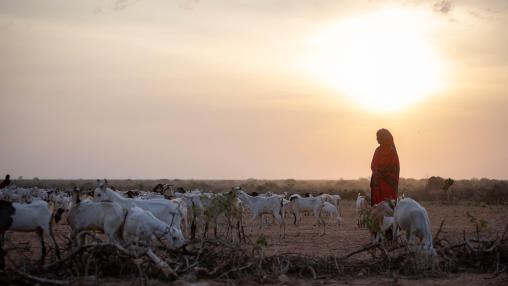
Hunger Levels Continue on the Rise: 2022 Global Hunger Index Released
Over the past two years, the impacts of ongoing regional conflicts, climate change, the COVID-19 pandemic, and the Russian-Ukraine war have drastically weakened the world’s already inadequate, unsustainable food systems. This confluence of factors has induced in supply chain disruptions and high and volatile prices for food, fertilizer, and fuel, and the result has been the third global food crisis in less than two decades.
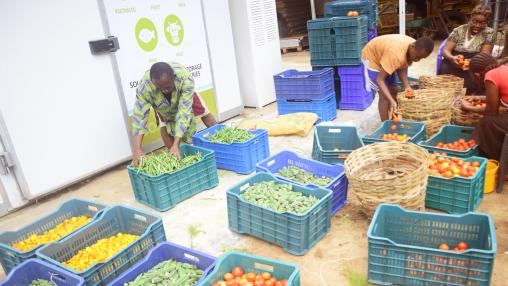
Supporting the Hidden Middle: How Enabling Midstream SMEs Can Strengthen Agri-Food Value Chains
Small and medium enterprises (SMEs) in the midstream of agrifood value chains—wholesalers, logistics, and processors—play a critical role to food security and value chain transformation. These enterprises help keep food supplies affordable and stable, provide employment and income for millions of rural and urban workers, and improve food quality and safety for consumers. However, in South Asia, Africa south of the Sahara (SSA), and other developing regions, SMEs often don’t play a role in the food system transformation conversation.
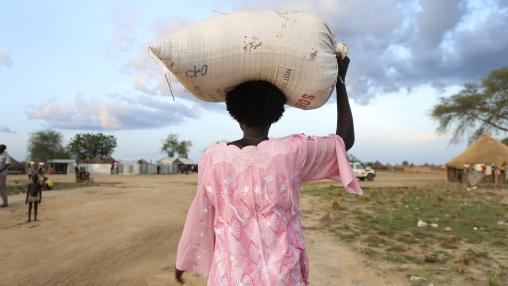
Acute Hunger Continues to Rise Globally: Global Report on Food Crises Mid-Year Update Released
Alarming levels of hunger and food insecurity are on the rise across the globe. According to the September 2021 mid-year update to the 2021 Global Report on Food Crises (GRFC), an estimated 161 million people in 42 countries/territories have faced Crisis-level (IPC/CH Phase 3) food insecurity or higher. This number is up from the estimated 155 million acutely food-insecure people reported by the GRFC for 2020.