



Exploring good gaps for right-sizing food assistance: Methods, data challenges, and lessons learned
Food Security Resilience in Somalia
Compound Vulnerability and Food Security in Somalia
New E-Learning Courses Launched on FSP E-Learning Platform
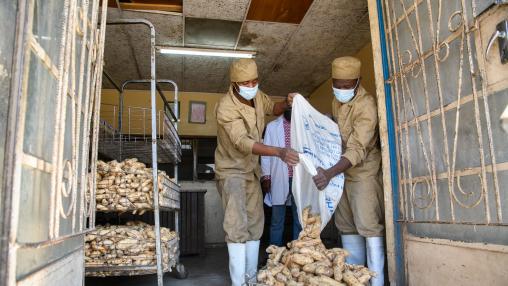
The Food Security Portal E-learning Platform has launched two new courses: the French version of the Pro-WEAI (Women’s Empowerment in Agriculture Index) Foundations Module and a brand-new course focused on training Farmer Business School facilitators.
BEYOND AGRICULTURE: MEASURING AGRI-FOOD SYSTEM GDP AND EMPLOYMENT
This webinar aims to present a new approach developed by IFPRI for measuring agri-food system GDP and employment.
Ending Hunger by 2030: Policies and Costs
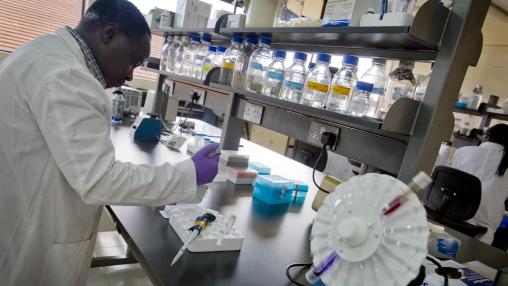
The number of undernourished people around the world rose from 653 million in 2015 to 690 million in 2019. According to a recent policy brief produced for the Food Systems Summit, more than 840 million people could suffer from by 2030, putting Sustainable Development Goal 2 – the eradication of hunger and malnutrition by 2030 – in serious jeopardy.
New E-Learning Course Launched on FSP E-Learning Platform
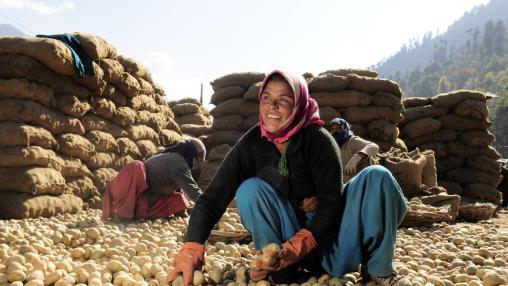
While women contribute significantly to global agricultural production, they often lack access to credit and finance, training and extension services, resources, and land rights, putting them at higher risk of malnutrition, food insecurity, and poverty. Increasing women’s empowerment in agriculture is a critical step in ensuring gender equity and reducing hunger for all.
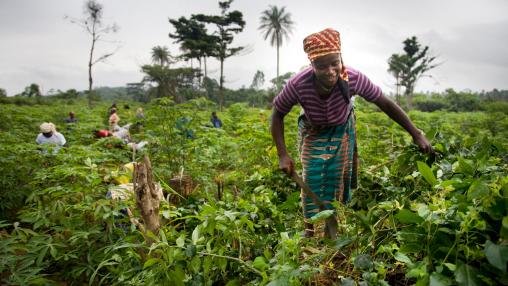
ReSAKSS-Africa Announces Enhanced Website
ReSAKSS-Africa (Regional Strategic Analysis and Knowledge Support System) website is now ready with enhanced features to track progress in implementing the Comprehensive Africa Agriculture Development Programme (CAADP), including the target of allocating 10 percent of national budgets to agriculture.
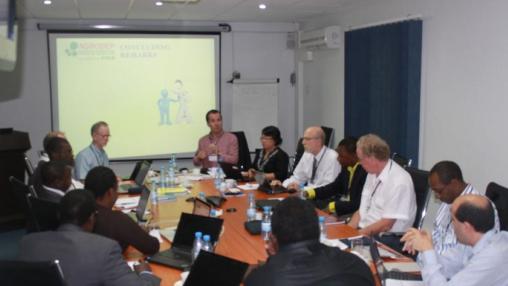
AGRODEP Announces 2013 Grant for Gaps in Research
The African Growth and Development Policy (AGRODEP) Modeling Consortium recently issued its second annual call for "Gaps in Research" Grants. These grants support research on emerging issues in Africa that have previously received little or no attention. The selected topic of this year’s grant is “Barriers to the expansion of agriculture and agroindustry in Africa”.
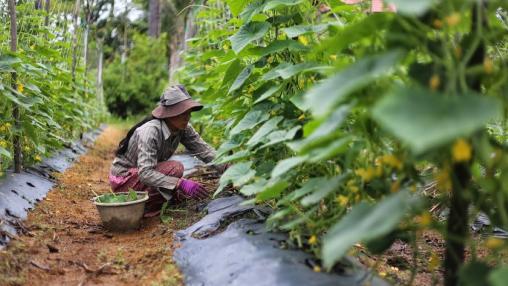
ReSAKSS-Asia Launches New Website
Asia is a region characterized by unique agricultural and economic opportunities and challenges. In recent years, many Asian countries have made great strides in transforming their agricultural systems and reducing their numbers of poor and malnourished. Despite this progress, however, the region remains home to most of the world's poor and hungry, and faces additional challenges in the form of environmental degradation and climate change.