





G7 commits to lifting 500 million people out of hunger and malnutrition by 2030
The G7 Summit closed this afternoon in Krün, Germany, and the leaders announced their commitment to continue and build upon a wide range of interventions for food security and nutrition. As part of a broad effort involving partner countries and international actors, the G7 aims to lift 500 million people in developing countries out of hunger and malnutrition by 2030.

IFPRI Report: Middle Income Countries Play Key Role in Eliminating Hunger and Malnutrition
The food security and nutrition situation in middle income countries is one of seven food policy issues examined in this year’s Global Food Policy Report, an annual IFPRI flagship publication that examines major food, agriculture, and nutrition developments and trends with a view toward reducing poverty around the globe.
Brazil, China, India, Indonesia, and Mexico may be rising economic powerhouses, but these five fast-growing, middle income countries are still home to nearly half of the world’s hungry, or 363 million people.
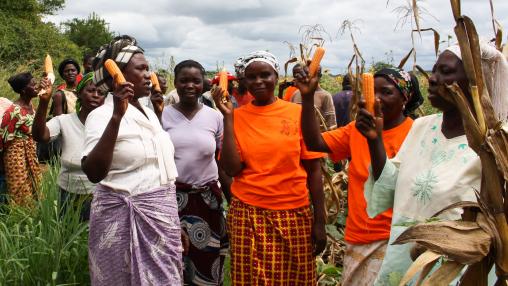
Reducing Micronutrient Deficiency with Biofortification
Micronutrient malnutrition is caused by a lack of vitamins and minerals in the diet. Poor people are particularly vulnerable to micronutrient malnutrition, as their diets consist mainly of grains and don’t include many vital fruits, vegetables or animal products.