Using Social Safety Nets to Improve Food Consumption
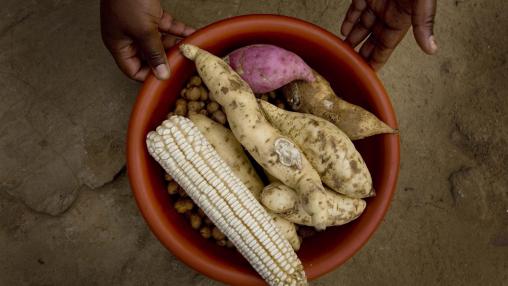
Social protection programs – specifically social safety nets – can meaningfully increase poor populations’ food consumption and asset holdings, according to a new study published in World Development .

Whither global trade talks after the failure in Buenos Aires?
The gathering of the Eleventh Ministerial Conference of the World Trade Organization in Buenos Aires Dec. 10-13 was impressive in size. It brought together nearly 4,000 ministers, senior trade officials and other delegates from the WTO's 164 members and observers as well as representatives from civil society, business and the global media.
Can sustainability standards promote socioeconomic development in the small farm sector?
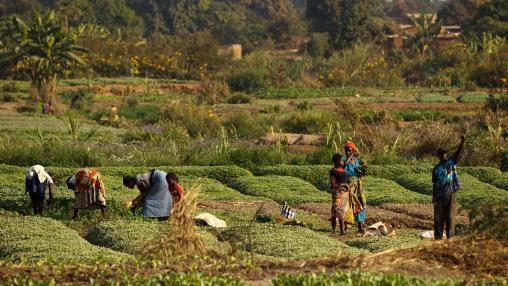
Sustainability standards and certification schemes such as Fairtrade , Organic , UTZ , and Rainforest Alliance are gaining in importance, especially in the coffee sector. Today, at least 30 percent of the coffee area under cultivation worldwide is certified. Consumer demand for certified products is rising, as is the involvement of private, public, and third-sector actors. In developing countries, governments and Western development agencies have been launching projects to promote farmer adoption of standards.
Africa, South Asia Face Highest Levels of Child Stunting, Says New GNR
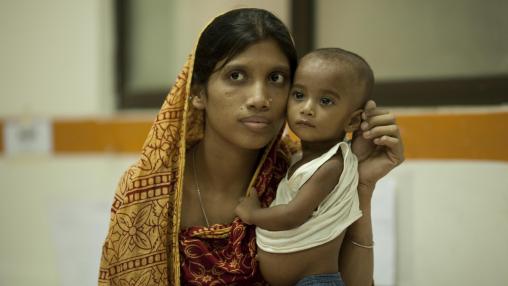
According to the recently released 2017 Global Nutrition Report , the world continues to face a serious threat from multiple forms of malnutrition, including undernutrition, overnutrition, and micronutrient deficiency.
The Hunger-Conflict Nexus
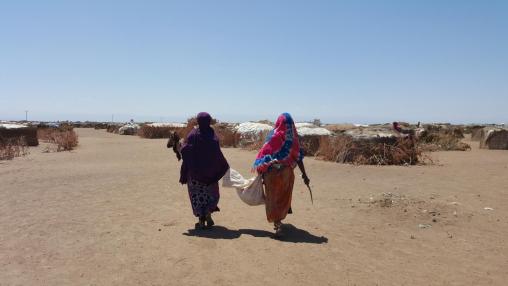
With over 64 million people worldwide being displaced from their homes in 2016, understanding the links between conflict, migration, and food security has become even more crucial. Several recent reports have focused on this important topic, including the FAO’s The State of Food Security and Nutrition in the World (SOFI) report and a joint policy brief from FAO and IFPRI. An additional new related technical study from FAO provides further analysis and empirical evidence to complement the SOFI report and contributes to the debate on how conflict and food security impact one another.
2017 Global Hunger Index Released
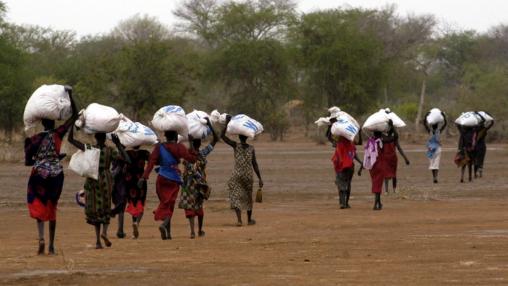
The 2017 Global Hunger Index (GHI), released today, reports that between 2000 and 2016, hunger levels around the world declined by 27 percent. While impressive, however, this progress should not mask the remaining food security challenges faced at the global, national, and sub-national levels. In 2017, South Sudan declared a state of famine – the first instance of famine in the world in six years. Three other countries – Somalia, Yemen, and Nigeria – also faced imminent famine in 2017, putting a total of 20 million people worldwide at risk of starving to death.
The State of Food Security and Nutrition in the World: Chronic Hunger on the Rise
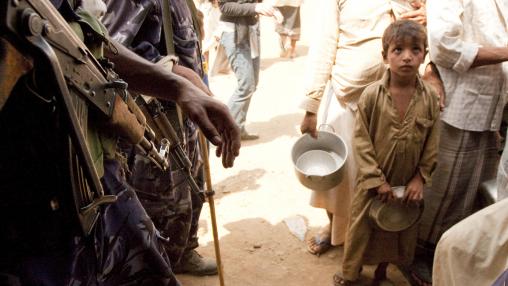
After years of steady decline, the number of chronically hungry people around the world appears to be on the rise again. In addition, the challenge of malnutrition is getting increasingly complex, with many countries facing simultaneous burdens of undernutrition and obesity.
These are two major messages coming out of the latest The State of Food Security and Nutrition in the World report, published by FAO, IFAD, UNICEF, WHO, and WFP.
Better Measurement Needed to Track Reality of Food Loss
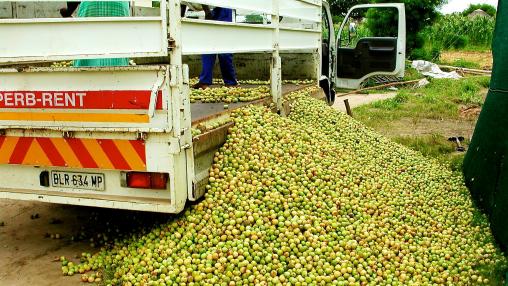
With about one-third of all food produced around the world lost or wasted each year, reducing food loss and waste is a key component in ending hunger and malnutrition. A major hurdle, however, stems from the fact that food loss and waste are complex issues, and thus properly measuring them and identifying where in the food system they occur remain a challenge. Food loss and waste have been defined in various ways in the literature, and there has thus far been no single measurement methodology agreed upon.

Accounting for Nutritional Improvements in Six Countries
In recent years, many developing countries have seen significant reductions in chronic childhood malnutrition. Understanding what is driving these reductions is key in scaling up effective nutrition policies and strategies and reaching the nutrition goals set out in the Sustainable Development Goals (SDGs).
Women and Water: Improving Equal Access
World Water Week 2017 , from running from August 27- September 1 and organized by the Stockholm International Water Institute (SIWI) explores the theme of water and waste (reduce and reuse). Water clearly plays a crucial role in global development, impacting agricultural production, economic growth, health and nutrition, and the environment. In a new report from the World Bank, researchers examine another important facet in the conversation about water and development – gender equity.