




Smallholder Farmers and Food Security
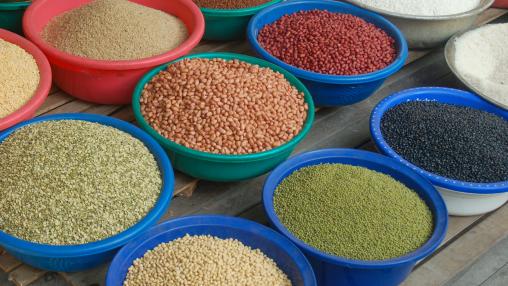
In honor of World Food Day (October 16, 2012), IFPRI Director General Shenggen Fan provided guest commentary on the World Economic Forum's Forum Blog . The piece focuses on the critical role that smallholder farmers play in the fight against hunger, undernutrition, and food insecurity.
Climate Trend Analysis in Senegal
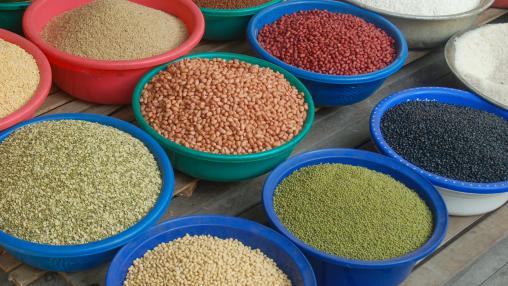
Agricultural activities employ 77 percent of Senegal's workforce and account for 12.4 of its GDP. Despite the importance of agriculture to Senegal's development, however, the country is often subject to low rainfall and droughts, making its population particularly vulnerable to food insecurity. A new report from FEWS NET examines climatic trends in Senegal and finds several important implications for the country's agricultural production.
FAO Food Security Information Network Launched
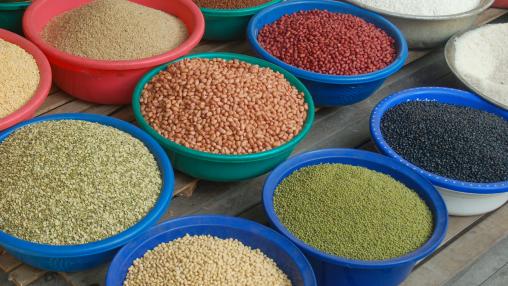
When it comes to improving global food security and ending hunger, increasing access to reliable, up-to-date information and research is an important first step. National and international policymakers rely on credible data, statistics, and analysis to enact appropriate policies and respond to local, regional, and global food crises. In many developing countries, however, such information is often difficult to access; even when data is available, it may not be communicated to policymakers in an accessible, easy-to-understand way.
Hunger and Global Resources: Exploring the Connection
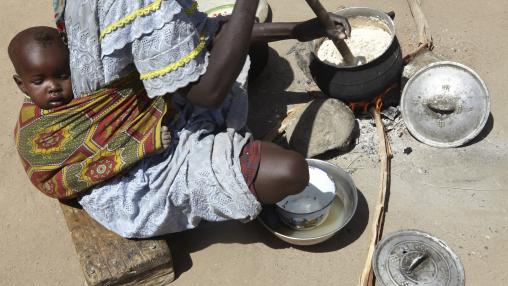
On October 11, IFPRI will release the seventh edition of its annual Global Hunger Index (GHI). This year's GHI, titled The Challenge of Hunger: Ensuring Sustainable Food Security Under Land, Water, and Energy Stresses , addresses the issue of sustainable resource use and its importance to feeding a hungry world. The report brings together a series of policy recommendations to address the underlying causes of hunger, malnutrition, and food insecurity, with a focus on protecting the world's crucial land, water, and energy resources.
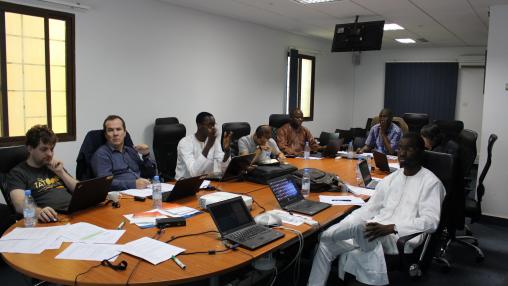
AGRODEP Launches Fourth Membership Extension
AGRODEP (African Growth and Development Policy Modeling Consortium) has now launched its fourth round of membership extension . Qualified economists from Africa are eligible; membership provides free access to cutting-edge economic research tools, resources, and training that may otherwise be unavailable to researchers in the region.
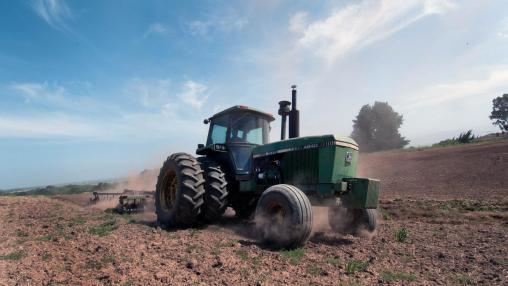
New Paper Examines the Implications of a New US Farm Bill
While progress has stalled in the House of Representatives in recent weeks, the pending new five-year US Farm Bill will have important implications for agriculture. A new paper by Professor Carl Zulauf from the Ohio State University and IFPRI Senior Research Fellow David Orden , published by the International Center for Trade and Sustainable Development (ICTSD), looks at the competing bills coming out of the Senate and House of Representatives Agriculture Committee in light of their relationship to WTO limits on domestic support.
Using Experiments to Inform Policy
In economics and development work, experiments are becoming a widely used and accepted research tool. For such experiments to be a useful policymaking tool, however, it is necessary for both researchers and policymakers to have a clear understanding of how the experimental method works and how the results of experiments can be used to inform policy decisions.

New FAO Initiative Focuses on Water Management to Combat Food Insecurity
World Water Week 2012 opened today with the announcement of a new framework to address issues of water scarcity and food insecurity. Spearheaded by the FAO, Coping with Water Scarcity: An Action Framework for Agriculture and Food Security aims to improve global water management practices, particularly when it comes to agriculture.
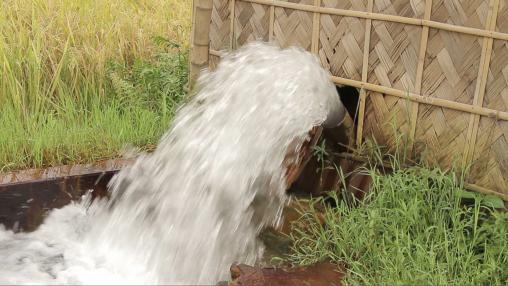
New Report Brings Attention to Importance of Water in Food Security
A new report has been released by the Stockholm International Water Institute in preparation for 2012 World Water Week (August 26-31). The report, Feeding a Thirsty World: Challenges and Opportunities for a Water and Food Secure Future , highlights the crucial role that water plays in agriculture, food production, and food security.

Does Media Attention Impact Food Price Trends?
Food security has been a constant topic in the media in recent weeks as commodity prices continue to climb following the drought in the Midwestern US. While the causes of this most recent commodity price spike seem clear - negative weather in the US and South America impacting crop yields, as well as decreased export sales from some of the world's largest exporters - a new tool provides insight into another potential factor in food price spikes and price volatility: the media itself.