


Can the World Reach the SDG Target of Zero Hunger by 2030? New 2020 SOFI Report
The world is not on track to achieve the Sustainable Development Goal of zero hunger by 2030, according to the 2020 State of Food Security and Nutrition in the World (SOFI) report, released in mid-July.
COVID-19 and resilience innovations in food supply chains
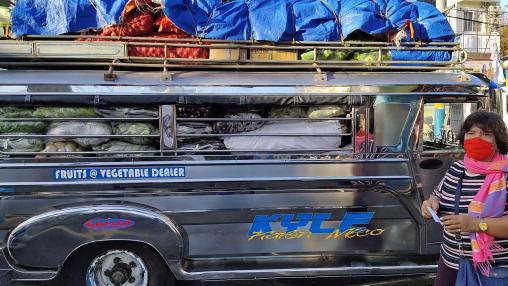
Food supply disruptions in developing countries during the COVID-19 pandemic have been varied and often severe, especially in labor-intensive segments of supply chains. Tom Reardon of Michigan State University and IFPRI’s Jo Swinnen summarize early experiences in both international and domestic supply chains across various types of firms and commodities. They review a range of innovations developed to keep supply chains running, many implemented at a surprisingly rapid pace—and make recommendations on to facilitate continued innovation to speed the recovery and ensure better food supplies post-pandemic.—John McDermott, series co-editor and Director, CGIAR Research Program on Agriculture for Nutrition and Health (A4NH).
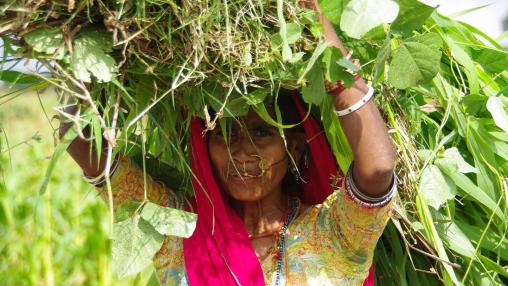
Improving Social Safety Nets: An Evaluation of India's MGNREGS Program
In 2006, the Indian government launched the Mahatma Gandhi National Rural Employment Guarantee Scheme (MGNREGS). This program guarantees rural households both the legal right to employment for up to 100 days per year and a minimum agricultural wage set at the state level. Since its launch in 2006, MGNREGS has become the largest public works project in the world, but questions remain about the program’s true effectiveness. In particular, critics have highlighted the program’s high costs, inefficiencies, and potential for corruption.
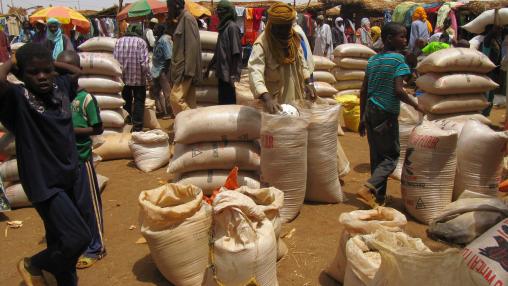
Near-Real-Time Monitoring of Food Crisis Risk Factors: Webinar Summary Report Published
As concerns over COVID-19's potential impacts on food prices and food security continue, accurate and timely data and information are more crucial than ever. On May 8, the Food Security Portal hosted a webinar on near-real-time monitoring of food crisis risk factors like the COVID-19 pandemic, food price volatility, climate-driven shocks, conflict, and economic downturns.

Online event: Child Labor in Agriculture
An estimated 152 million children around the world are stuck in child labor.
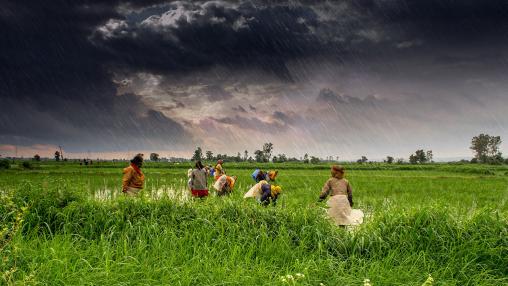
FAO Food Price Index Reaches 17-Month Low
The FAO Food Price Index plunged to a 17-month low in May, driven in large part by sustained negative economic impacts of the COVID-19 pandemic. Prices across all sub-indices declined with the exception of sugar prices.
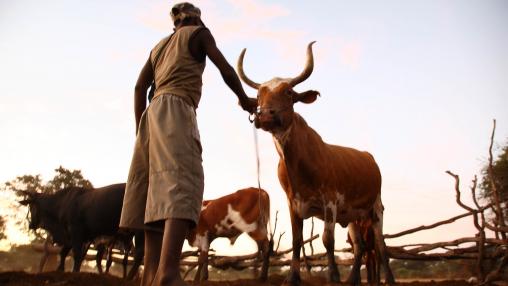
The Quest for Safer Foods: COVID-19 and Dairy Value Chains in Ethiopia
This post originally appeared on IFPRI's Ethiopia Strategy Support Program (ESSP) blog.
The share of households consuming dairy products in Addis Ababa has dropped by 11 percentage points since the COVID-19 crisis, seemingly linked to perceived risks of consuming dairy products. All income groups declined their consumption, except for the richest quintile where the share of consuming households changed little.
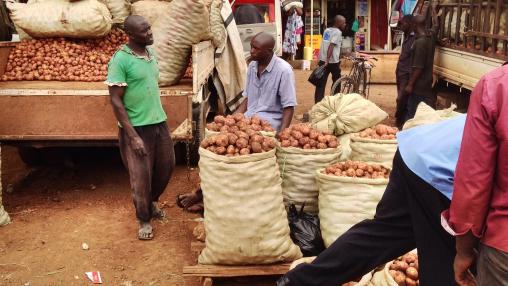
New COVID-19 Food Price Monitor tracks warning signs of stress in local markets
This post originally appeared on IFPRI.org.
Food systems are complex and the disruptions caused by COVID-19 are varied. Global analyses of trends in food supply, trade, and prices are useful. However, as Manuel Hernandez, Soonho Kim, Brendan Rice, and Rob Vos emphasize, daily price data in multiple countries and markets are needed to provide information to identify and respond to more specific local and national shocks—and a new Food Price Tracker tool is now available to meet this demand.—John McDermott, series co-editor and Director, CGIAR Research Program on Agriculture for Nutrition and Health (A4NH).

Announcing New Webinar: Near-Real-Time Monitoring of Food Crisis Risk Factors: State of Knowledge and Future Prospects
Webinar hosted by the Food Security Portal
8 May 2020, 9:00 - 10:30 EDT
Background
Food security and nutrition security, particularly in low-income countries, continue to face significant challenges, from volatile food prices, climate change-driven shocks, and conflict to pandemics and economic downturns. A number of research efforts exist around the world to allow near-real-time monitoring of these and other risk factors that drive food crises. This work includes monitoring production-related information, climate and conflict data, price information, and other factors in order to identify the likelihood of acute food insecurity and help policy makers enact timely policy responses.
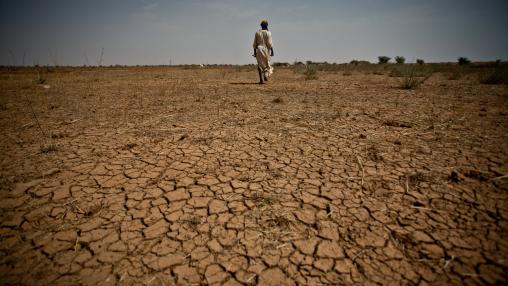
Food Crises Increase Around the World: 2020 Global Report on Food Crises Released
An estimated 135 million people around the world faced acute levels of hunger in 2019, according to the 2020 Global Report on Food Crises, released this week. This number reflects the highest level of acute hunger seen since the report’s inception in 2017.