




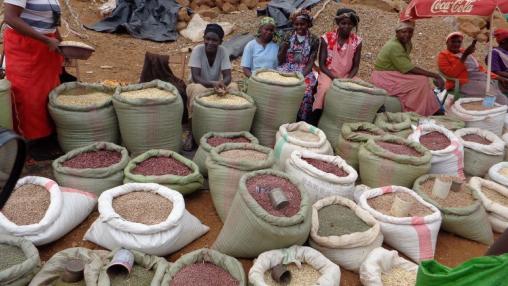
Global Food Prices Continue to Rise in February - FAO Releases Food Price Index
FAO has released the latest global Food Price Index, citing a 1% increase in food prices in February. Despite this increase, the Food Price Index for February remains 10% below its peak in February 2011.

AGRODEP Releases First Bulletin
The African Growth and Development Policy (AGRODEP) Modeling Consortium released its first edition of the AGRODEP Bulletin , a publication providing insights into major economic development issues in Africa. The Bulletin introduces research and capacity building activities undertaken by AGRODEP and announces publication of new economic data and statistics on Africa. Read more .

AGRODEP Launches New Round of Call for Members
AGRODEP (African Growth and Development Policy Modeling Consortium) has now launched its third round of membership application. Qualified economists from Africa are eligible; membership provides free access to cutting-edge economic research tools, resources, and training that may otherwise be unavailable to researchers in the region.
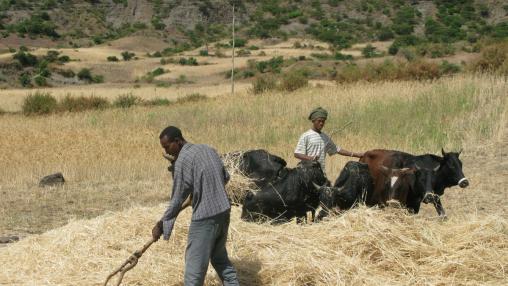
FEWS NET Releases Latest Monthly Price Watch
FEWS NET has released its monthly price watch for February 2012. The report cites stable and declining grain prices in much of West and East Africa, although prices remain high in the Sahel region and Kenya. In particular, grain prices in South Sudan remain very high due to poor production and trade; similarly, maize prices in Malawi continue to increase rapidly. Afghanistan and Tajikistan continue to see high wheat and wheat flour prices.
Download the full report
Download the annex
Files:
full report
annex
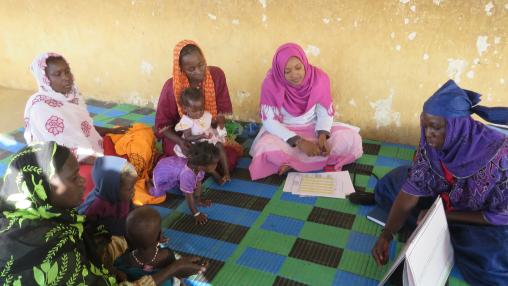
FEWS NET Releases West Africa/Sahel Food Outlook
FEWS NET has released a new outlook report for West Africa/Sahel. The report states that crisis-level food insecurity is expected to continue in a number of areas in the region, based on current market prices, trade patterns, labor conditions, and social conditions. Chronic malnutrition is expected to rise above 15 percent.
Download the full report
Files:
full report
Food Prices Up for First Time Since July; FAO Releases Latest Food Price Index
FAO has released its Food Price Index for January 2012. Global food prices rose nearly 2 percent in January, marking the first increase since July 2011. Despite this increase, food prices remain 7 percent lower than the same time last year. For cereals, maize saw the steepest rise last month, reflecting concerns over crop prospects in South America. Wheat also rose due to unfavorable weather events and depleting exports from Russia.
FEWS NET Releases January Food Price Watch
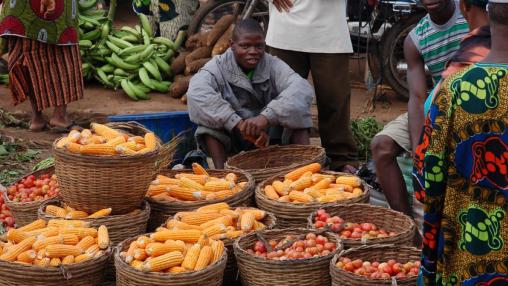
FEWS NET has released its Food Price Watch for January 2012. The report details the food security situation throughout Africa, where prices in Uganda, Ethiopia, and Somalia have declined. Kenyan maize prices remain extremely high, as do prices in West Africa.
Download the full report
Download the annex
GIEWS Releases Maize Prospects for Argentina and Mexico
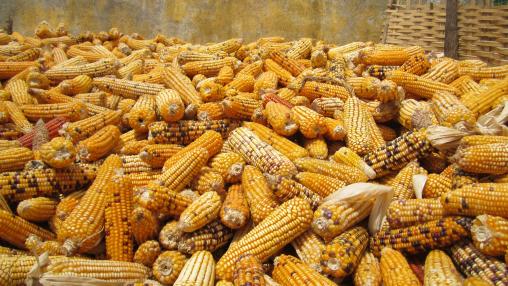
GIEWS has released crop prospect reports for maize for both Argentina and Mexico, citing deteriorating 2012 crop prospects due to recent dry weather. Despite this reduction, production in Argentina is still expected to be average. Mexican production is expected to be below the five-year average but still higher than the poor 2011 crop.
Download the report for Argentina .
Download the report for Mexico
WTO Food Security Site Keeps Up-to-Date with Latest Food Supply and Market Information
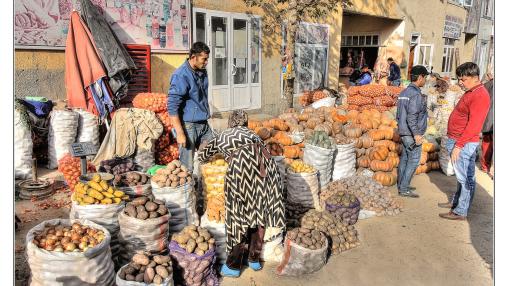
Global food security is constantly impacted by many issues at the local, national, regional, and international levels - politics, agricultural market changes, fuel prices, weather conditions, war, speculation and trading, and many more. Keeping track of all of these developing issues is an overwhelming, but crucial, task for policymakers to appropriately address the needs of the world's food insecure populations.
FEWS NET Releases Latest Global Price Watch
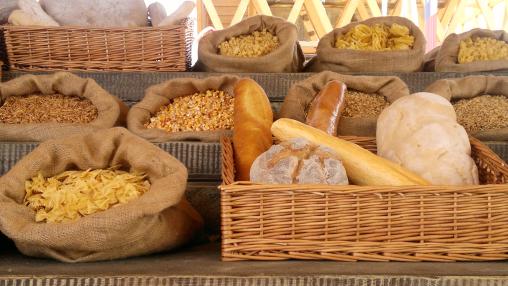
FEWS NET has released the Global Price Watch for November 2011, citing a slight decline in global wheat and maize prices. On the other hand, global rice prices increased slightly due to a decline in Thai exports and floods in Southeast Asia.
Prices in East Asia fell in some surplus-producing areas, as well as areas in the Horn of Africa that continue to receive significant international assistance. Grain supplies are constrained in West Africa due to delayed harvests; this constrain has delayed the seasonal price decreases in that reason.