




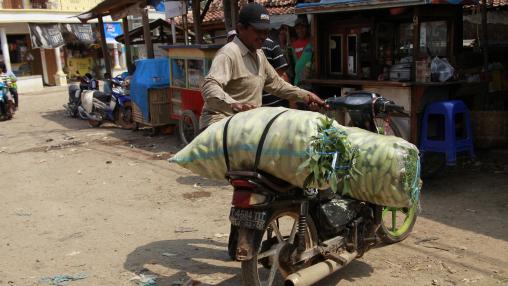
Trade and Agriculture: Exploring the Linkages
International agricultural trade has been a major headline recently, but as the latest WTO Ministerial Conference proves, disagreement about the best way to conduct such trade remains widespread. On one end of the spectrum lies the argument that complete liberalization and free trade will lead to both global economic development and increased food security; on the other end are those who believe that poor populations and developing countries need additional protections to guard against unfair trade practices and transmission of price volatility from global to domestic markets.
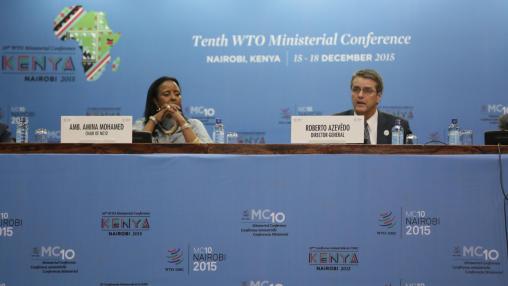
10th WTO Ministerial Conference Aims to End Agricultural Export Subsidies
On December 19, the 159 members of the WTO concluded the 10th WTO Ministerial Conference with the signing of a new international trade agreement, the Nairobi Package . The agreement contains several important outcomes on the issue of agriculture and represents the first major achievement by the WTO on this issue since the end of the Uruguay Round talks and the birth of the organization in 1995.
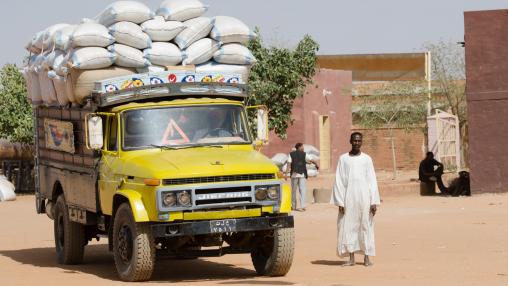
A global food stamp program, not increasing export subsidies, would better benefit poor and middle-income countries
BY: David Laborde and Eugenio Díaz-Bonilla, IFPRI
Export subsidies for agriculture have been a contentious issue. A particular anomaly in the multilateral trading system framework is that while export subsidies in industrial products have been banned under WTO rules, they are still allowed for agricultural products, including some that are rather industrialized, such as dairy and meat products.
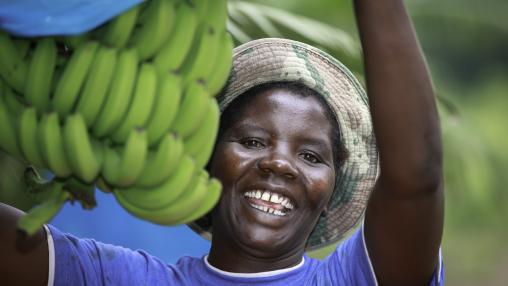
The Doha Development Agenda and Expectations for Nairobi
BY: Joseph Glauber, IFPRI
On November 9, IFPRI co-hosted a conference with the International Centre for Trade and Sustainable Development and FAO in Geneva on agricultural trade outcomes at the upcoming Nairobi Ministerial. The conference brought together current and former trade officials and experts from around the world to talk about the importance of trade for food security and rural development.
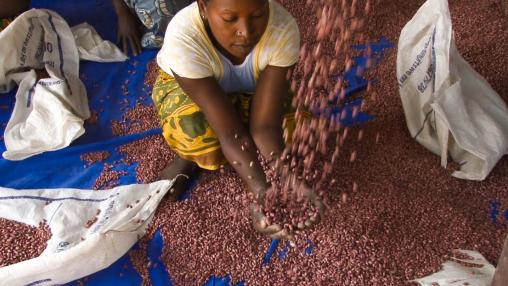
Price and Crop Reports Summary: Food Price Index up in October; record cereal yields keep stock forecasts comfortable
The FAO Food Price Index averaged nearly 162 points in October, up 3.9 percent from the previous month. This was the sharpest increase since July 2012, but the index is still down 16 percent from this time last year.
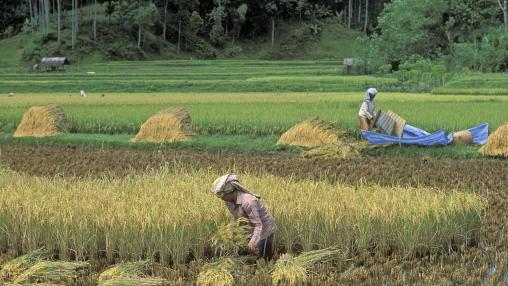
September AMIS Market Monitor: Crop prices still falling; El Nino could be among strongest since 1950
Dropping oil prices, concern over the global financial implications of economic slowdown in China, and higher than expected global yields for wheat, maize and rice are all contributing to the continued descent of crop prices, according to the September edition of the AMIS Market Monitor and the FAO Food Price Index , both released today.
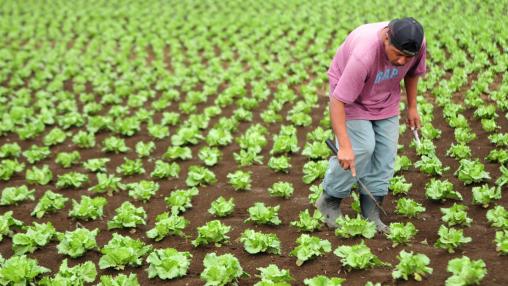
Central America: the Challenge of Food Security, Human Development, and Economic Growth
Authors: Eugenio Diaz-Bonilla and Maximo Torero
An abridged version of this article was originally published in the Spanish-language press in Guatemala.
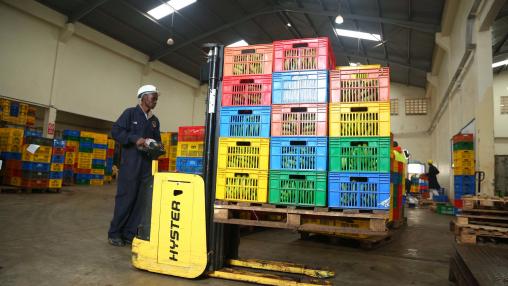
17th Annual GTAP Conference Focuses on Growth, Trade in Africa
The last ten years have witnessed incredible economic and agricultural growth in Africa. Between 2000 and 2010, the continent was home to six of the ten fastest-growing economies in the world.
However, can this growth continue in a sustainable, inclusive way?

Azevêdo Urges WTO Members to “Shift Gears” in Doha Restart Effort
Efforts to develop a work programme aimed at revamping the stalled Doha Round negotiations are ready to enter a “second stage,” WTO Director-General Roberto Azevêdo reported to the global trade body on Monday, after four months of preliminary consultations among members.
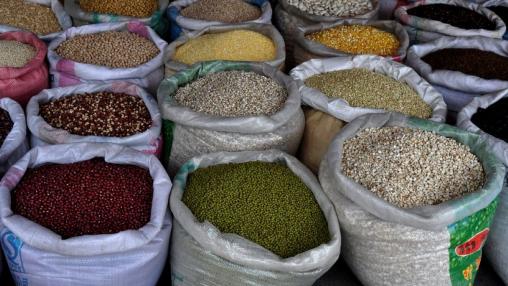
Decreased Grain Exports from Ukraine Unlikely to Impact Long-Term Global Prices
Concerns have been growing over how the ongoing political turmoil in the Ukraine, the world's third largest maize exporter, could impact global grain prices and reserves in the coming year. While Ukraine has delivered the majority of its current export obligations, continuing conflict could pose problems for next season's planting and harvest, and thus future export shipments. According to an article published by IRIN News, however, experts do not foresee a long-term impact on global grain prices.