
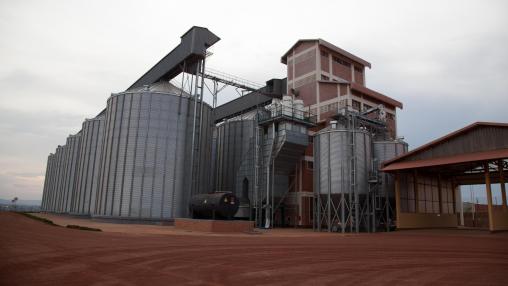
The Business of Agriculture: Best Practices for Sustainable Growth
On May 12, the USAID Agrilinks program held a webinar on a new report released by the World Bank, entitled Enabling the Business of Agriculture 2016: Comparing Regulatory Good Practices . The event examined the report’s key findings and discussed the objectives and future path of the Enabling the Business of Agriculture (EBA) project .
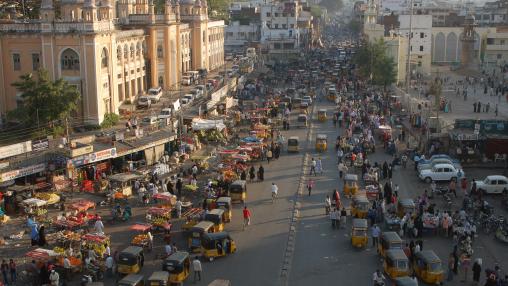
Growing Food for Growing Cities
The world’s urban population is growing rapidly. According to a new publication from The Chicago Council on Global Affairs , more people live in urban areas than rural areas today, and by 2060, 66 percent of the world’s population will live in cities. This growth is particularly obvious in developing regions. Africa’s urban population is projected to grow from its current 40 percent to 56 percent by 2050; Asia’s urban population will grow from 48 to 64 percent during the same period, while Latin America’s will rise from 80 to 90 percent.
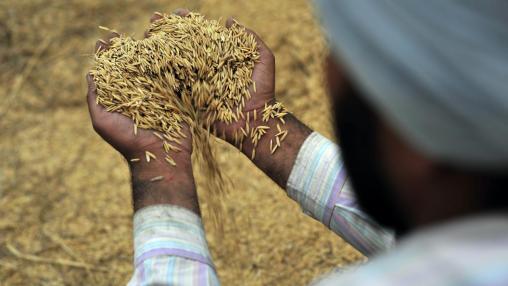
April Saw Mixed Global Wheat Prices, Slightly Higher Maize Prices
International wheat price trends were mixed in April but were still lower than wheat prices seen a year ago, according to the latest Food Price Monitoring and Analysis Bulletin released this week. The price of US hard red winter wheat fell three percent in April as a result of improved production prospects in several key producing areas. Global maize prices were up from March due to increased export demand and concerns about production in South America; however, April maize prices also remained lower than the previous year's levels.
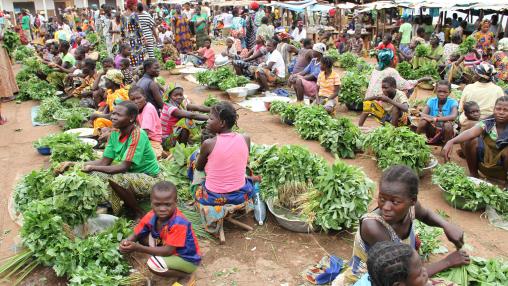
Increasing Global Food Safety Requires Coordinated Value Chain Approach
As the global food system becomes more integrated, urban populations grow, and incomes continue to rise around the world, the issue of food safety is drawing greater and greater attention, according to a new brief from the Global Panel on Agriculture and Food Systems for Nutrition.
New Book Unravels Causes, Consequences, and Implications of Food Price Volatility
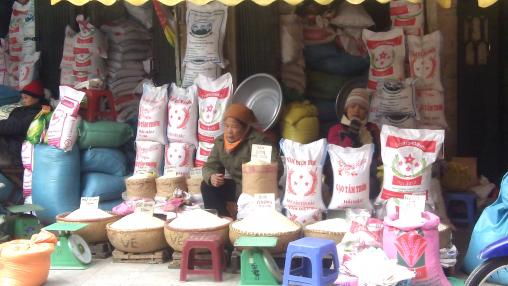
Food price volatility and extreme price shocks have serious implications for politics, agriculture, climate, and food and nutrition security, according to a new book published by the Center for Development Research (ZEF) and the International Food Policy Research Institute (IFPRI) , with support from the CGIAR Research Program on Policies, Institutions, and Markets (PIM) .
A New Paradigm for the Doha Development Round: IFPRI Policy Seminar
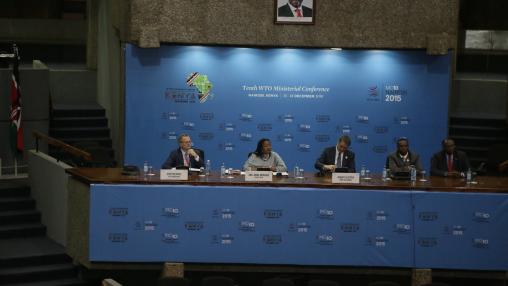
Since the launch of the World Trade Organization’s (WTO) Doha Development Round negotiations in 2001, the global trade situation has undergone a dramatic transformation. Developing countries and emerging economies have become major global players, and large regional and plurilateral trade deals (so-called “mega deals”) like the Trans-Pacific Partnership (TPP) are becoming more and more common.
Enabling the Business of Agriculture
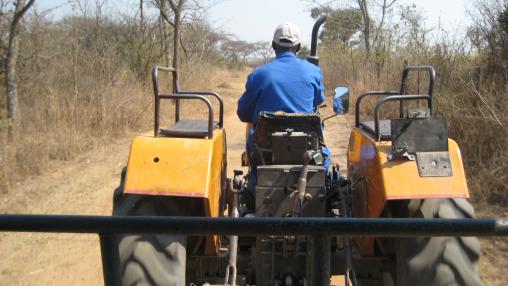
Markets play a crucial role in global agricultural development and food security, and well-functioning markets require effective, transparent regulations to ensure agricultural safety, quality, and economic efficiency. The World Bank’s 2016 Enabling the Business of Agriculture report examines the current state of agricultural and agribusiness regulations across the globe and provides some important lessons.
Latest WASDE Report Sees Higher Stocks for Many Commodities
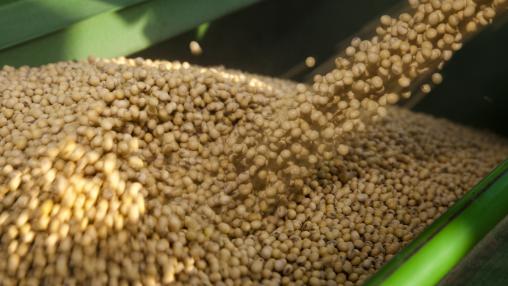
The USDA’s latest World Agricultural Supply and Demand Estimate was released this week, citing larger-than-predicted US surpluses for corn and wheat. Increased competition from Canada and South America have slowed US exports of those commodities by 25 million bushels, the lowest since 1971-1972. These 25 million bushels have also pushed US wheat ending stocks to the largest volume since 2009-2010. For corn, US ending stocks increased by 35 million bushels this month.
Greater International Cooperation Needed to Ensure Food Security
Today’s global food and agriculture landscape is, in many ways, unrecognizable from what it was even at the start of the 21st century. From the widespread use of staple food crops for biofuel production to increased market volatility to growing threats from climate change, food security worldwide faces many new challenges. Add to that a burgeoning global population and complicated (and sometimes distortionary) national and international trade policies, and it becomes clear that policymakers need new, more coordinated options to ensure a food-secure future.
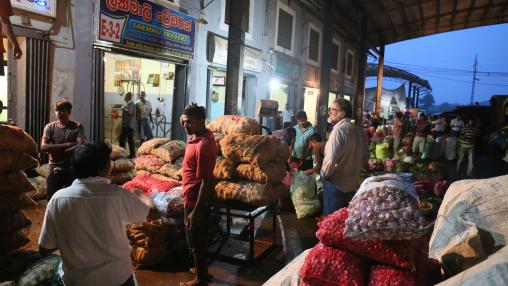
How Does Increasing International Trade Impact Societal Wellbeing?
International trade has grown significantly over the past 60 years; the WTO (2008) estimates that between 1950 and 2007, the rate of growth of world trade in real terms was 6.2 percent, compared to 3.8 percent growth in global GDP. The impact of increased world trade cannot be measured simply in terms of economic activity, however; issues like gender equity, health, and nutrition (all key aspects of societal wellbeing) are also affected.