



- Pakistan
- Climate Change
- Market Access
- Food Availability
- Food Access
- Conflict
- Acute Food Insecurity
- IPC Alerts
Related blog posts
7.5 million Pakistanis are currently facing high levels of acute food insecurity, according to a new IPC alert released this week.
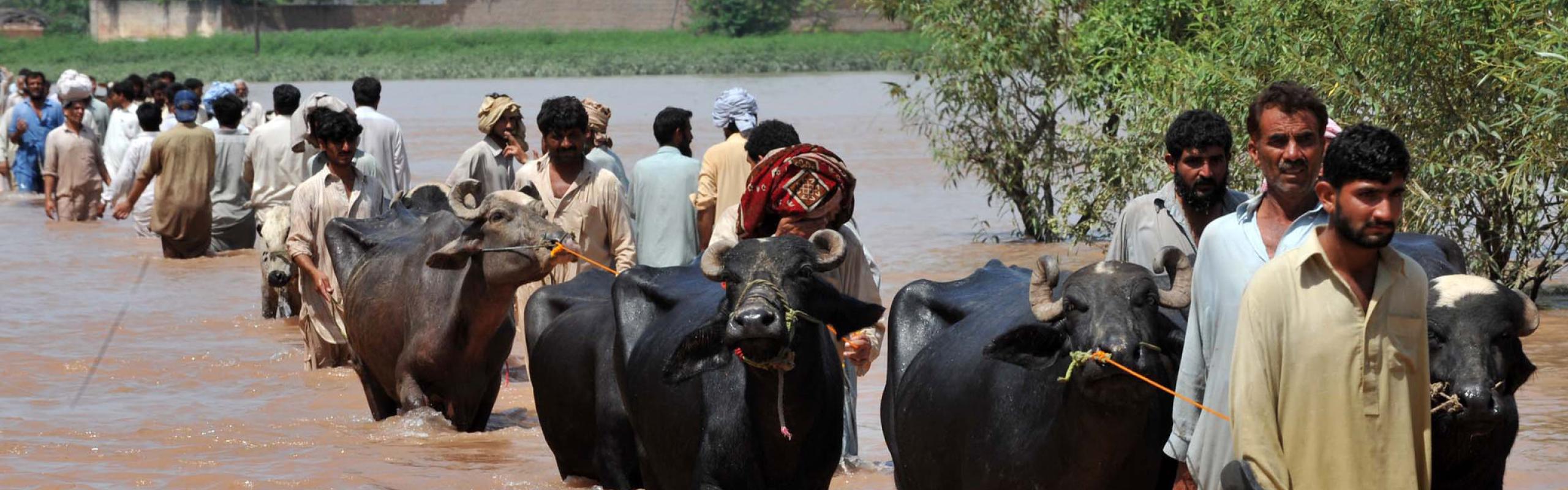
Pakistan suffered from multiple climate shocks in 2025, including a monsoon-driven flooding and prolonged drought. Combined with local civil unrest and insecurity, these shocks have significantly decreased crop and livestock production, disrupted markets, and limited households’ ability to earn a livelihood.
As a result, many households are now struggling to meet essential food needs and are engaging in negative coping measures like cutting down the number or size of meals consumed or selling productive assets to meet short-term cash needs. IPC analysis found that on average, households in the analyzed regions only have enough food stocks to last 4.6 months. This increases their risk of further food insecurity as a result of price volatility or seasonal shortages. At the same time, 20 percent of analyzed households reported limited food availability in markets, and staple food prices remain high throughout the country.
Looking forward through September 2026, the analysis forecasts a slight decrease in the number of people facing acute food insecurity, from 7.5 million to 6.7 million. However, the alert cautions that this should not be seen as an improvement in conditions, as it is driven mainly by a reduction in geographic coverage: the 2026 projection data cover 45 districts rather than the 68 covered in the 2025 analysis. The proportion of the population facing acute food insecurity through September 2026 is expected to remain generally stable at 19 percent.
As in 2025, food insecurity in 2026 is expected to be driven by monsoon flooding and local insecurity, as well as high food and fuel prices and uncertainties regarding cross-border trade. All these factors have the potential to impact market access, agricultural production and food availability, livelihoods, and affordability.
The alert recommends scaling up cash and voucher programs, as well as direct food assistance, in order to address constraints on food availability. Policymakers should also prioritize the provision of high-quality, heat-resistant seeds and other key agricultural inputs to farmers throughout the country.
Smallholder farmers also need improved market access, which can be supported through the use of digital platforms and mobile apps to deliver real-time price information and enable more efficient, profitable e-commerce activities.
Disaster preparedness and resilience efforts should also be scaled up, the alert advises, including the promotion of livelihood diversification programs to help create income-generating opportunities for vulnerable households. Emphasis should also be placed on improving infrastructure to enhance water conservation and mitigate the impact of flooding in areas prone to climate shocks.
Finally, food security and other related factors—disease outbreaks, conflicts, price shocks, and climate shocks—need to be monitored regularly and transparently. Such monitoring will allow policymakers and international actors to respond quickly to changing conditions and implement interventions that can safeguard livelihoods and save lives.
Sara Gustafson is a freelance writer.