



Transmission of Grain Prices and Grain Price Volatility from World to Local Markets
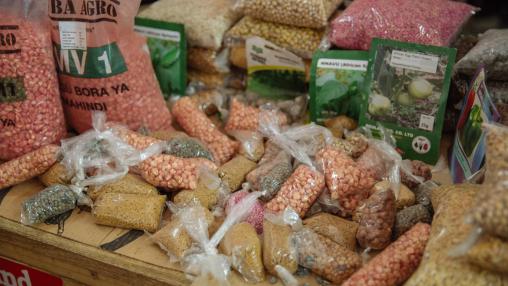
Since the 2007-2008 food price crisis, food price volatility has been front and center in the international development conversation. The period of the crisis saw a dramatic rise in the international price of grains and other important commodities, while the years immediately following the crisis saw increasing grain price fluctuations on the international market.
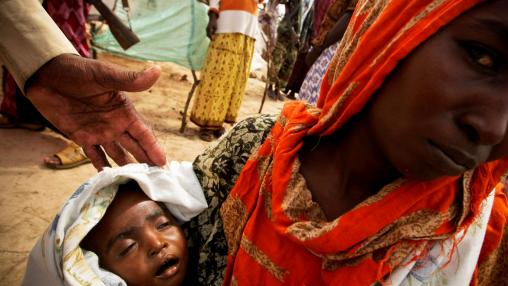
Famine in Africa: Urgent Action Needed
This post was first published on the Africa South of the Sahara Food Security Portal
What role do markets and trade play in climate change adaptation?
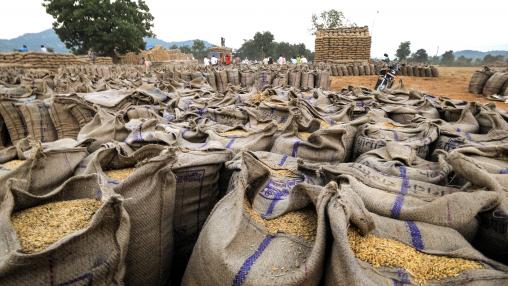
Global trade is a complex, politically charged issue that has important implications for the global food system.
A recent paper in Food Policy, “Do Markets and Trade Help or Hurt the Global Food System Adapt to Climate Change” , investigates whether markets and trade aid or inhibit the global food system ability’s to adapt to climate change. The discussion and themes raised in the paper are based on results collected from a wide variety of sources.
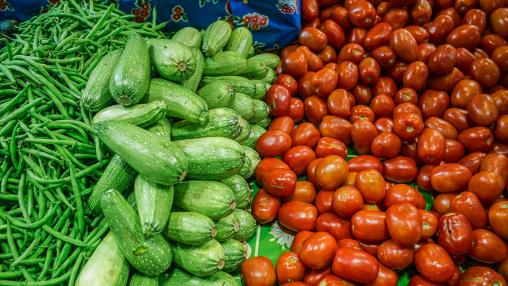
The Future of Food and Agriculture: Trends and challenges
FAO estimates that around the world, about 795 million people still suffer from hunger and more than two billion people suffer from micronutrient deficiencies or forms of over-nourishment. Simultaneously, historical and future achievements in food security are under threat due to climate change and increasing pressures on natural resources.
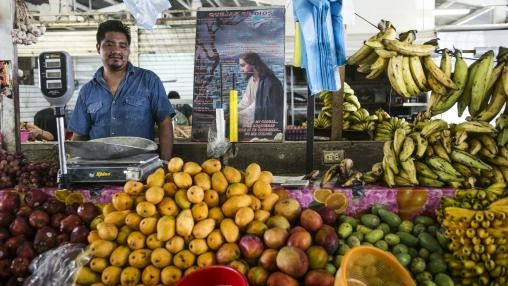
REDD Policy Impacts on the Agri-food Sector and Food Security
It is estimated that deforestation, forest degradation, and peat land emissions account for about 15 percent of total greenhouse gas emissions. A REDD (Reducing Emissions from Deforestation and Forest Degradation) agreement was reached at COP 16 in 2010; since then, REDD policies have been introduced with the goal of preserving forests and proposals have been put forward to compensate developing countries for avoided deforestation.
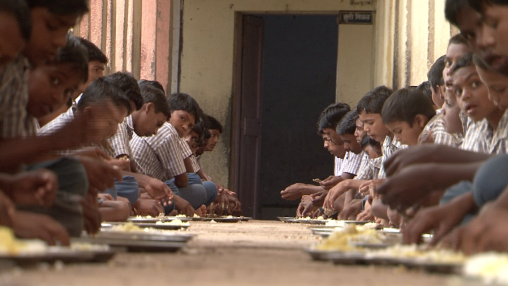
Improving Nutrition through Biofortification
Micronutrient deficiencies afflict more than two billion individuals worldwide. These deficiencies occur when the intake and absorption of vitamins and minerals are too low to sustain good health and development.
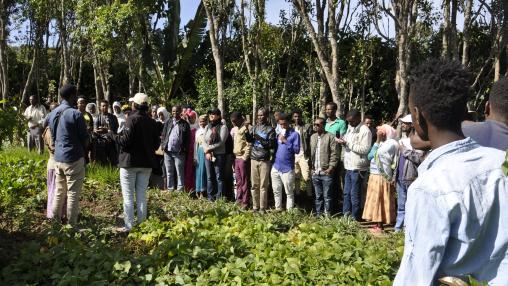
Attaining Food and Environmental Security in an Era of Globalization
The global population is expected to grow to more than 9 billion people by 2050. In such a scenario, ensuring the availability of and access to affordable and nutritious food will be a major challenge.

T20 Recommends Policy Action on Land and Water Use
In the lead-up to last week’s G20 Agriculture Ministers Meeting, held in Berlin from January 20-22, the T20 Task Force released a policy brief calling for improved policymaking for sustainable land and water use. The authors highlighted that integrated resource-use policies are essential to achieving sustainable agricultural and ending hunger worldwide.
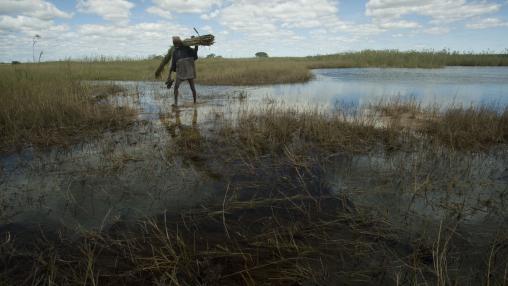
Measuring Resilience
Climate change, disease outbreaks, price spikes, conflict - resilience to such shocks has become a widespread goal among development practitioners and policymakers, but what exactly is resilience? How can we define resilience and how can it be measured to ensure that programs and policies aimed at increasing poor populations’ resilience to shocks truly enhance food security and overall welfare?

Transforming Food Systems: Evidence from Brazil, Rwanda, and Vietnam
Ensuring food and nutrition security in the face of growing populations, increasing incomes, and a changing climate will require countries to transform their food systems to be more sustainable and equitable. A 2016 report published by IFPRI and the Compact2025 Initiative looks at recent successful food system transformations in Brazil, Rwanda, and Vietnam that helped significantly reduce hunger and undernutrition in these countries. The report provides several best practices and ways forward that other countries can use to launch their own improved food systems.