


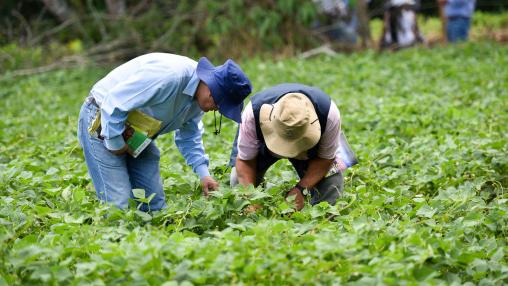
Latin America & Caribbean strengthen their cooperation for climate action
This post originally appeared on the CGIAR Research Program on Climate Change, Agriculture, and Food Security blog.
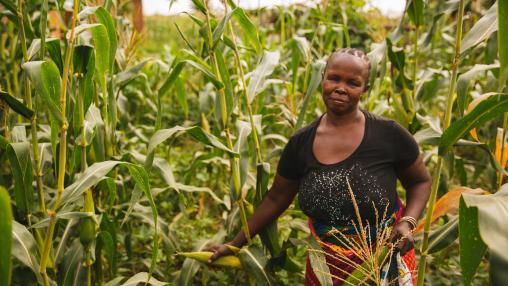
Global markets can help reduce climate-driven food insecurity
Climate change is almost certain to increase the volatility of agricultural output over the next 30 years—particularly in low-income countries in Africa south of the Sahara and other areas around the world where subsistence farming is a major source of food production. Climate-driven impacts such as droughts and extreme weather events will raise the risk of severe food shortages for smallholder farms and in rural and urban communities throughout those countries.
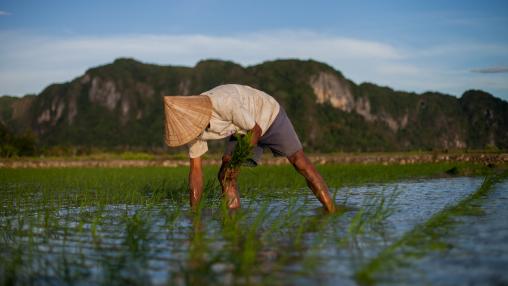
Rising Prices, Optimistic Market Outlook: Latest FAO Food Price Index and AMIS Market Monitor Report
Strong rebounds in global vegetable oil prices, as well as sugar and dairy prices, drove the FAO Food Price Index to its highest point in five years in December. The December Index rose by 4.4. percent from November, the third such consecutive monthly increase, and reached 181.7 points.
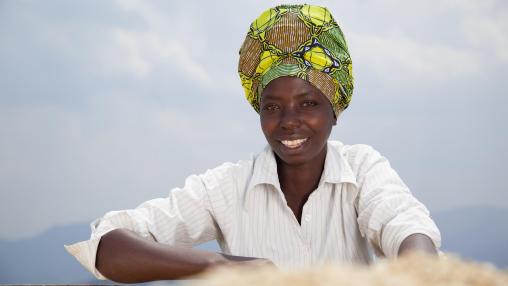
Knowledge for a Sustainable Food Future: New Foresight Tool Examines Impact of Agricultural Investments
How can we feed 10 billion people by 2050? How much and in what ways will climate change impact global food production? What can be done to ensure that the world’s agriculture and food systems remain sustainable in both the short and the long term?

When it comes to resilience, we must put vulnerable farmers in the driver's seat
By Indira Joshi
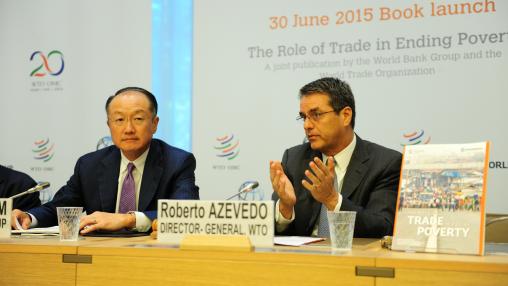
The crippling of the multilateral trading system
As of today (Dec. 10), the dispute settlement mechanism of the World Trade Organization (WTO) has been crippled, as its Appellate Body (AB) has been left with less than three members on the seven-member body. The U.S. government has blocked the WTO from appointing new members, leaving the AB without the minimally required number of judges to hear appeals in trade disputes.
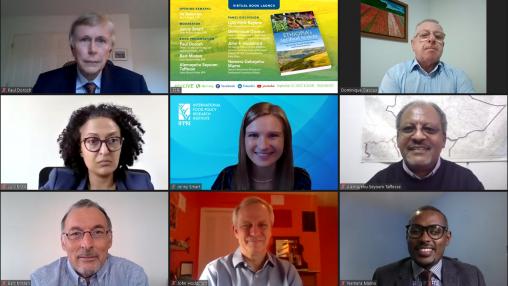
Special Event: Webinar on new Global Foresight for Food and Agriculture Tool
Join the Food Security Portal (FSP), the International Food Policy Research Institute (IFPRI), and the CGIAR Research Program on Policies, Institutions, and Markets (PIM) in the launch of the global foresight tool Impacts of Alternative Investment Scenarios. The tool was recently developed by IFPRI’s IMPACT model team and the FSP. The Global Foresight tool provides researchers and policymakers with a flexible way to explore the impact of various agricultural investment scenarios on agricultural production, productivity, and hunger for the period 2010-2050.
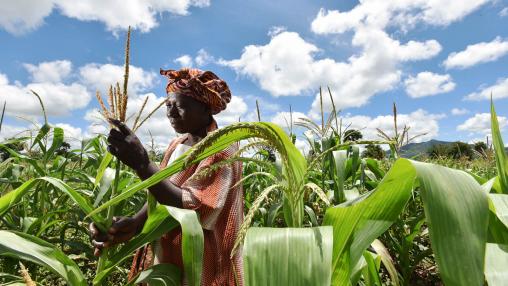
Policy Transformation for Achieving the SDGs
Achieving the Sustainable Development Goals (SDGs) by 2030 will take major transformations of the agricultural sectors of developing economies. These transformations of food and agricultural systems—or delays in carrying them out—will have direct and indirect implications for multiple SDGs. An important first step is overhauling countries’ policy systems and reorienting them towards evidence-based policy making.
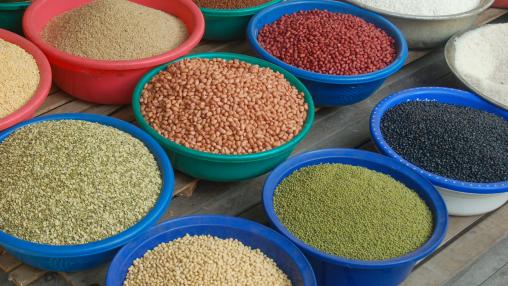
FAO SOFA report 2019: New insights into food loss and waste
Fourteen percent of the food produced globally is lost during the post-harvest production stage before reaching the retail stage of the food system, according to the newly-released FAO 2019 State of Food and Agriculture (SOFA) report . While significant, this figure is less than an earlier FAO loss estimate of one-third of all food. Some regional losses are higher, reaching over 15% in North America and Europe and over 20% in Central and South Asia.
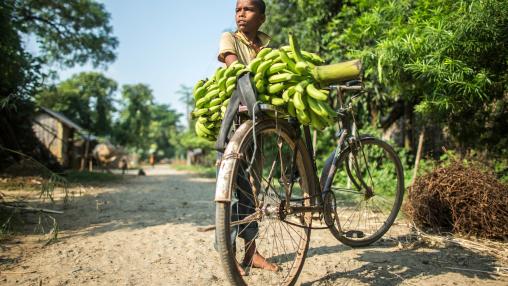
Food and agriculture at a crossroads
Over the past century, enormous progress has been made in improving human welfare worldwide, thanks to quantum leaps in technology, rapid urbanization, and innovations in production systems. Yet immense challenges remain. Billions of people still face pervasive poverty, gross inequalities, joblessness, disease, and deprivation. In addition, the impacts of this progress on the environment, specifically those of climate change, are already being felt and will continue to intensify.