



Zambia: Acute Food Insecurity Situation for April - September 2026 and Projection for October 2026 - March 2027
Acute food insecurity is expected to deteriorate between October 2026 and March 2027 during the lean season. Over 1.2 million people will likely experience Phase 3 or above conditions during this period.
The underlying drivers of food insecurity in Zambia remain largely structural, largely driven by high poverty levels, especially in rural areas. Other compounding factors consist of persistent climatic shocks, including anticipated El Niño conditions, as well as crop pests and diseases and macroeconomic instability.
Zambia: Acute Food Insecurity Situation for April - September 2025 and Projection for October 2025 - March 2026
The large reduction in people facing Phase 3 or above compared to May to September 2024, is largely due to Zambia returning to normalcy after a peculiar year that saw widespread drought across the country.
Despite the improvement in the overall food security situation, 1.7 million people are still in urgent need of humanitarian food assistance to reduce food gaps, protect and restore livelihoods, as well as to prevent acute malnutrition. This includes 9,900 people classified in IPC Phase 4 (Emergency)—primarily in Mitete, Shang’ombo, and Sikongo districts in the Western province—and 1.69 million people classified in IPC Phase 3 (Crisis). During the projection period, a total of 43 hotspot districts are projected to face Phase 3 or above.
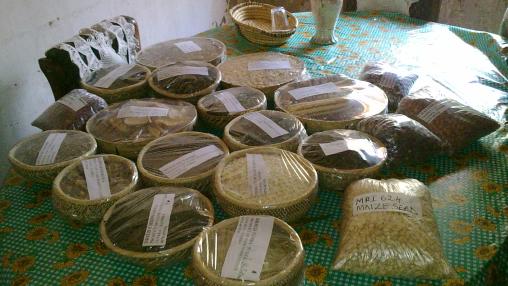
Zambia Policy Dialogue Focuses on Nutrition
On August 14, IFPRI and the Indaba Agricultural Policy Research Institute (IAPRI) held a Policy Forum on food and nutrition security in Zambia. The meeting was attended by 66 representatives of various international organizations and government ministries, including the Zambian Ministry of Agriculture and Livestock and the European Union.
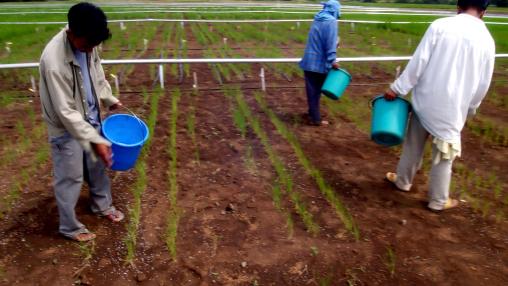
Rethinking Input Subsidies
After being largely eliminated by structural adjustment programs in the 1980s and 1990s, large-scale input subsidy programs are regaining popularity throughout the developing world, particularly in Africa south of the Sahara. It's estimated that African countries spend, on average, 30 percent of their agriculture budgets on these programs, which aim to increase small farmers' investments in new technologies and increase agricultural production. Despite these programs' widespread use, however, debate abounds about how efficient input subsidy programs actually are.