

Latest FAO Food Price Index Hits a 15-month High in August
The August FAO Food Price Index increased by 3 points (1.9 percent) from July to 165.6 points reaching a 15 month high. This increase was predominantly driven by price increases in dairy, oils and sugar, though all commodities covered except for cereals experienced an increase.
The August Cereal Price index fell by 4.5 points and is currently 7.4 percent below its year earlier level. The completion of wheat harvests in the northern hemisphere placed downward pressure on wheat prices. Similarly, maize prices decreased due to excellent crop prospects in the United States.

Above-Average Monsoons in Southeast Asia Bring Flooding
The monsoon season in Southeast Asia extends from May through September. According to a special report from the FAO's Global Information and Early Warning System (GIEWS), this year's monsoon season has seen above-average rains, along with a series of typhoons and tropical storms from June through early August. These conditions have caused severe flooding in several of the Food Security Portal's prioritized countries , resulting in loss of life, displacement of large populations, damage to farms and infrastructure, and loss of livestock and stored food.
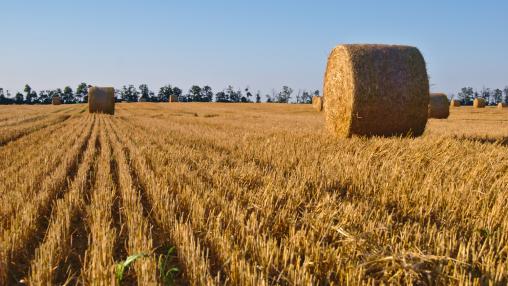
Latest World Agricultural Supply and Demand Estimates
The USDA’s monthly report on World Agricultural Supply and Demand Estimates (WASDE) was released on August 12.
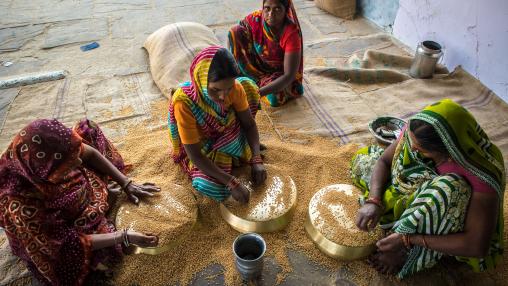
Latest FAO Food Price Index Down Slightly
The July FAO Food Price Index fell by 1.3 points following five consecutive months of increases. The slightly drop in July was driven mostly by lower international quotations of grains and vegetable oils.

The Cost of Malnutrition: Why Policy Action is Urgent
The FAO estimates that malnutrition costs the global economy up to US$3.5 trillion or US$500 per person annually. To address this waste of economic potential, countries need to find ways to promote productive, sustainable food systems that support diverse, nutritious, and safe foods for all their citizens.
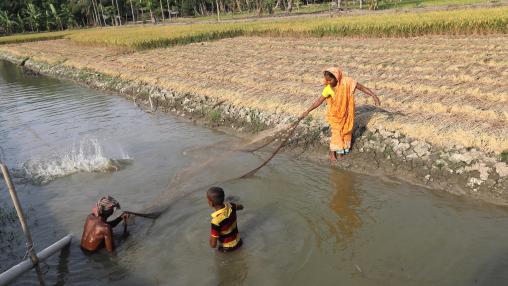
More Work Needed to Achieve SDGs, Says World Development Indicator Report
The indicators of development in the world have consistently improved over the past 25 years; globally, the proportion of people living in extreme poverty has decreased from 37.1 percent in 1990 to 12.7 percent in 2012. Despite this, multiple indicators remain alarmingly high, for instance, the percentage of child malnutrition/stunting currently stands at 23.8 percent.

Global Development, Food Security Take Center Stage at White House Event
Since 2010, USAID’s Feed the Future program has aimed to reduce hunger and poverty by improving developing countries’ agricultural sectors. In July of this year, the program received renewed long-term support under the US’s new Global Food Security Act . The Act is designed to promote food security, resilience, and improved nutrition through investments in smallholder agriculture in developing countries. It also codified Feed the Future, making it a permanent program.
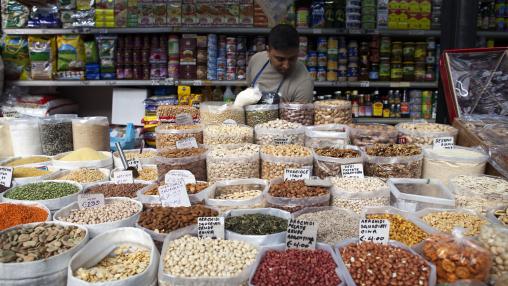
Pulses' Growing Importance in Global Trade and Diets
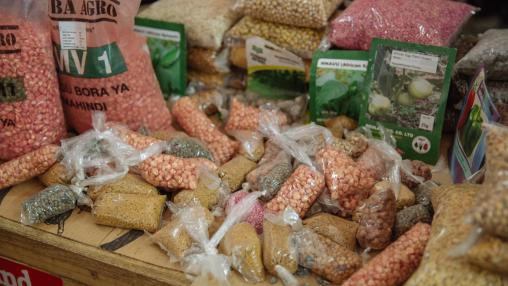
Pulses are an essential source of protein and minerals for much of the global population, to reflect this the UN has named 2016 as the ‘’International Year of Pulses.’ However, despite increasing demand, global pulse productivity remains low at around a quarter of global cereal yields per hectare, according to IFPRI.
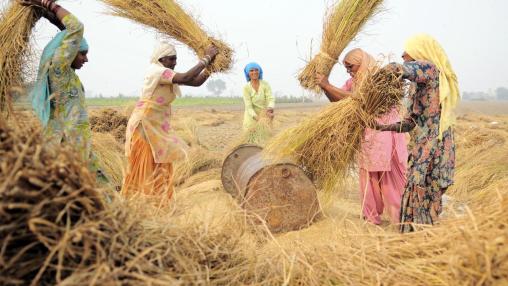
Latest World Agricultural Supply and Demand Estimates Report Released
The USDA’s monthly report on World Agricultural Supply and Demand Estimates (WASDE) was released on July 14.
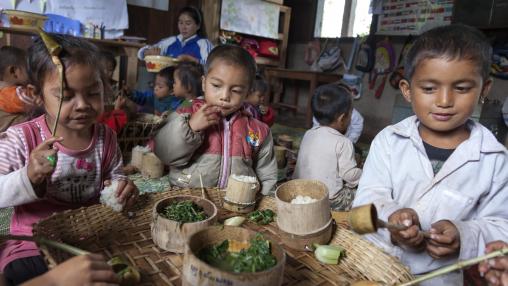
Long-Term Drivers of Food and Nutrition Security
The 2015 Global Hunger Index reports that despite progress in reducing hunger worldwide, hunger levels in 52 of 117 countries remain “serious” or “alarming.” The FAO’s 2015 State of Food Insecurity report estimates that 795 million people are undernourished, with uneven levels of undernourishment across countries. Simultaneously, the World Health Organization estimates that 1.9 billion adults are overweight.