



Liens externes
Last update: June 18, 2026
The recent closure of the Strait of Hormuz has created a critical disruption in global trade, halting nearly all maritime traffic through one of the world’s most essential waterways. In addition to compromising food security for import-dependent Gulf nations, the crisis risks affecting food security more broadly and is a situation we are monitoring. The situation has triggered a sharp rise in energy costs, with crude oil and natural gas prices reaching levels not seen in several years and driving up fertilizer prices. The economic impact could be particularly acute because the region serves as a primary hub for roughly one-third of the world’s seaborne fertilizer and essential chemical inputs.
The latest analysis is summarized in our blogs and the key indicators we are tracking are below.
[Blog] Country-level analysis: Iran War increasing global poverty and food insecurity
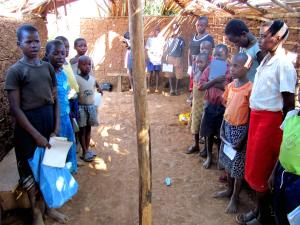
The economic impacts flowing from the closure of the Strait of Hormuz continue to reverberate, raising concerns across developing countries facing spiking global fuel and fertilizer prices. New economywide modeling conducted by IFPRI shows that high prices could increase global food insecurity and push more than 20 million into poverty across 20 developing countries.
In general, developing countries rely heavily on imported fertilizer and fuel and thus are highly exposed to changes in the global market prices of those items . The Iran war has disrupted supplies originating from or shipped through the Persian Gulf region, a major producer of both fuel and fertilizer, driving prices up. Fuel import dependence exceeds 90% in many developing countries, while fertilizer imports dominate supply across much of Africa and Asia. These dependencies are creating growing economic burdens. When import prices rise by more than export prices, foreign exchange revenue falls and domestic prices increase.
Even oil-exporting countries such as Ghana and Nigeria face challenges. While they stand to earn more from higher oil prices, it usually takes time for oil revenues to filter through domestic economies and benefit populations. At the same time, both Ghana and Nigeria import refined petroleum, despite exporting crude oil, and both import most of their fertilizers.
Excessive Food Price Volatility Early Warning System
The system monitors excessive volatility in food and fertilizer prices, identifying abnormal fluctuations to provide early warnings that support timely food-security responses.
Food and Fertilizer Export Restrictions Tracker
This unmaintained legacy tool is no longer updated, serving strictly as a historical reference for past food security in Asia.
Fertilizer Market Dashboard
The dashboard tracks global fertilizer market trends, price drivers, trade, and production, helping users monitor risks and understand impacts on food systems.
Food Price Monitor
The dashboard tracks international and domestic food prices and key determinants, enabling users to monitor trends, volatility, and drivers of price changes.